
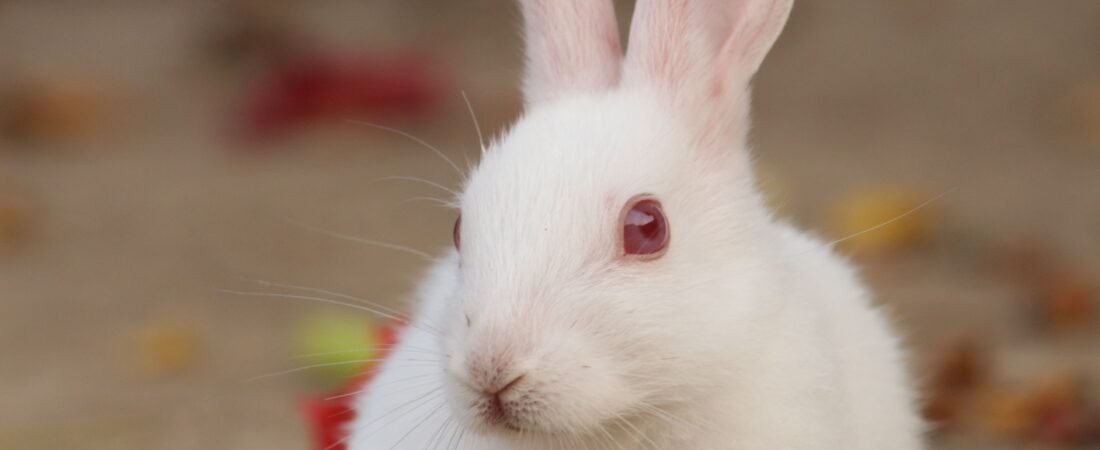
Noticing a cloudy, white, or bluish appearance in your rabbit’s eye can be alarming, especially if the eye looked completely normal before. A rabbit cloudy eye problem can have several possible explanations, ranging from age-related changes in the lens to painful conditions such as corneal ulcers, inflammation, or glaucoma.
Sometimes, cloudiness appears alongside excessive tearing, redness, or discharge. If your rabbit’s eyes have also become unusually wet, our guide to rabbit watery eyes and their possible causes explains other symptoms that may help you recognize an eye problem. One important thing to understand is that not every cloudy rabbit eye is a cataract. The cloudiness might involve the transparent surface of the eye, the lens behind the pupil, or inflammation inside the eye. These conditions can look similar but require different veterinary treatment.
Because some eye conditions can threaten your rabbit’s sight, any new cloudiness deserves prompt veterinary attention. A rabbit that’s squinting, keeping an eye closed, or showing signs of pain needs urgent assessment.
This guide explains seven possible reasons your rabbit’s eye looks cloudy, which warning signs require immediate attention, and how to make life more comfortable for a senior rabbit experiencing vision problems.
Why Is My Rabbit’s Eye Cloudy?
A rabbit’s eye may look cloudy when part of the normally clear eye becomes less transparent. To understand why this happens, it helps to know two important parts of the eye:
- The cornea: The clear outer surface covering the front of the eye.
- The lens: A normally transparent structure behind the pupil that helps focus light.
Cloudiness affecting the cornea may be associated with injury, swelling, or disease. Cloudiness inside the lens may indicate a cataract or certain age-related changes. Other eye conditions, including inflammation or increased pressure inside the eye, can also produce a cloudy appearance.
According to the PDSA’s veterinary guidance on eye problems in rabbits, cloudiness, redness, swelling, discharge, and signs of pain are all possible symptoms of eye disease. Untreated eye problems can sometimes lead to permanent vision loss.
The important distinction: You cannot reliably identify the cause of cloudiness simply by looking at your rabbit’s eye at home.
A veterinary examination is necessary to determine which part of the eye is affected and whether treatment is needed.
7 Possible Causes of a Cloudy Eye in Rabbits
Several conditions can cause cloudiness in one or both eyes. Some develop gradually, while others appear suddenly. The following explanations are not mutually exclusive. For example, an infection may cause inflammation and cataracts at the same time.
1. Cataracts Can Make a Rabbit’s Eye Look White or Cloudy
Cataracts are one possible reason a rabbit’s eye develops a cloudy or whitish appearance. A cataract occurs when the normally transparent lens becomes opaque, preventing light from passing through it normally. Depending on the severity, a cataract may affect part of the lens or become dense enough to significantly interfere with vision.
Possible signs include:
- A white, gray, or cloudy appearance within the pupil.
- Gradual changes in the eye’s appearance.
- Difficulty navigating familiar surroundings.
- Hesitation when approaching obstacles.
- Reduced vision in one or both eyes.
Cataracts can occur in rabbits of different ages. They may develop because of inherited conditions, age-related changes, inflammation, or certain infections.
A veterinary study on cataract surgery in pet rabbits describes several causes of cataracts and discusses surgical treatment in selected rabbits.
However, not every cataract requires the same treatment. A veterinarian must assess the severity, underlying cause, eye comfort, and visual function before recommending appropriate management.
What owners should know: A rabbit can have a cataract without necessarily having complete blindness. However, some cataracts are associated with painful complications, so veterinary evaluation remains important.
2. Age-Related Lens Changes May Cause a Bluish Haze
Sometimes, an older rabbit develops a subtle gray or bluish appearance within the lens. One possible explanation is nuclear sclerosis, also called lenticular sclerosis. This occurs when changes in the structure of the lens make its central region appear less transparent.
Nuclear sclerosis has been documented in aging rabbits and differs from a cataract. A cataract involves lens opacity that can obstruct vision. Nuclear sclerosis generally causes a milder change in transparency and may have less effect on vision.
However, these conditions can be difficult to distinguish without a detailed eye examination. A senior rabbit with a hazy-looking eye should not automatically be diagnosed with nuclear sclerosis simply because it is getting older.
What to watch for: A gradual change in eye appearance may suggest a different process from sudden cloudiness, but the timing alone cannot confirm the cause.
If your older rabbit develops a cloudy lens, arrange a veterinary examination to rule out cataracts and other conditions.
3. Corneal Ulcers Can Cause a Cloudy or Milky Eye
A corneal ulcer is a wound affecting the clear outer surface of the eye. Corneal ulcers can develop when the eye is scratched, irritated, or injured. For example, a rabbit might experience eye damage from a sharp piece of hay, a foreign object, or another source of trauma. Because the cornea should normally be transparent, damage and associated swelling can give the eye a cloudy, bluish, or milky appearance.
Possible warning signs include:
- Frequent blinking or squinting.
- Keeping one eye partly or completely closed.
- Excessive tearing.
- Redness or swelling.
- Rubbing the face.
- Reduced activity or appetite.
Corneal ulcers can be extremely painful and may worsen without treatment. Some rabbits also show behavioral signs of discomfort, including unusual tooth grinding. Our guide to rabbit grinding teeth and the difference between happiness and pain explains how to recognize potentially concerning changes.
Important: A suspected corneal ulcer requires urgent veterinary assessment.
Do not use human eye drops, leftover medications, or home remedies. Certain eye medications can worsen some eye conditions, particularly when the cornea is ulcerated.
4. Corneal Swelling or Scarring May Make the Eye Appear Hazy
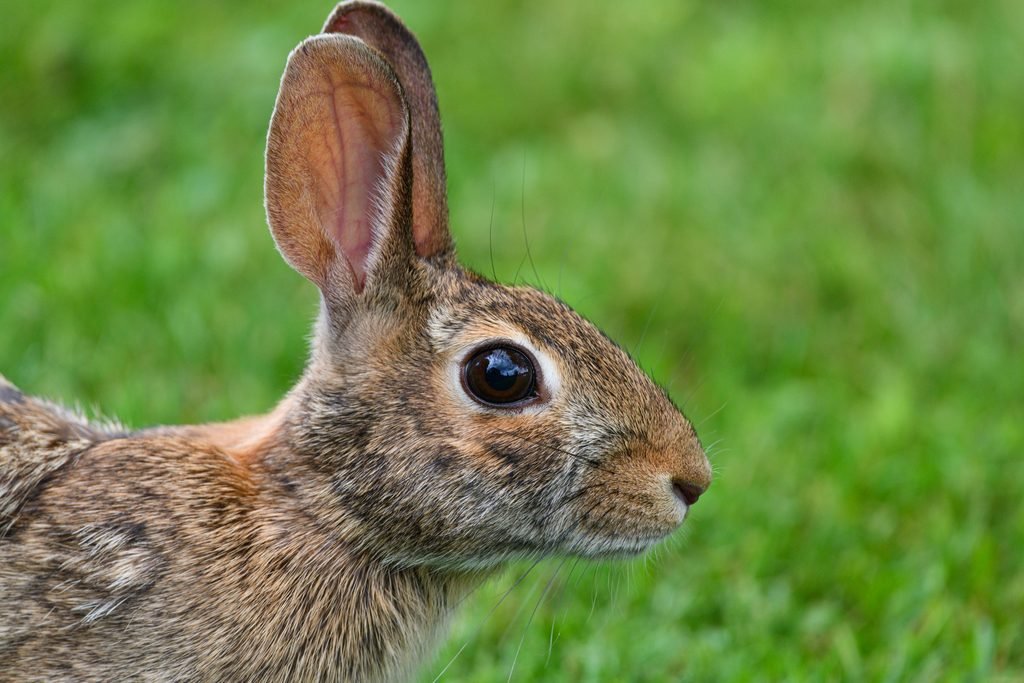
Cloudiness can also develop when the cornea becomes swollen or develops scar tissue. Corneal swelling is sometimes called corneal edema. When the cornea retains excess fluid, it may lose some of its transparency and develop a blue-gray or cloudy appearance.
This can occur in association with several eye disorders, including injury, inflammation, or glaucoma. Corneal scarring may develop after previous damage or disease. A scar can sometimes leave a persistent cloudy spot, even after the original injury has healed.
However, a cloudy patch should never be assumed to be an old, harmless scar without veterinary confirmation. New cloudiness may indicate active disease rather than healed damage. A veterinarian can examine the corneal surface and determine whether the problem involves swelling, scarring, injury, or another condition.
5. Uveitis Can Cause Inflammation Inside the Eye
Uveitis is inflammation affecting structures inside the eye. It can cause pain, redness, and changes in the eye’s normal appearance. In some rabbits, inflammation may be associated with a cloudy appearance or changes involving the lens.
Possible signs include:
- Redness around the eye.
- Squinting or sensitivity to light.
- Changes in pupil appearance.
- Cloudiness or visible abnormalities inside the eye.
- Reduced vision.
- Unusual quietness or discomfort.
Uveitis can develop for different reasons, including infection, injury, or other underlying medical conditions. It may also occur alongside cataracts. Because inflammation inside the eye can cause complications, veterinary treatment should not be delayed. The appropriate treatment depends on the underlying cause and whether other eye problems, such as corneal ulcers, are present.
6. Glaucoma Can Cause a Painful, Cloudy Eye
Glaucoma is a serious condition involving increased pressure inside the eye. This pressure can damage important eye structures and potentially lead to permanent vision loss. A rabbit with glaucoma may develop a cloudy or bluish-looking cornea.
Other possible symptoms include:
- Redness.
- Eye enlargement or bulging.
- Squinting.
- Signs of pain.
- Changes in vision.
- Reduced appetite or activity.
Glaucoma can occur as a primary problem or develop secondary to another eye condition. Because increased eye pressure can cause lasting damage, early diagnosis is essential. A veterinarian may use a specialized instrument to measure the pressure inside the eye. Do not attempt to treat suspected glaucoma with over-the-counter eye medication.
7. E. cuniculi Infection Can Affect the Lens and Eye
Another important cause of eye disease in rabbits is Encephalitozoon cuniculi, commonly abbreviated as E. cuniculi. This microscopic parasite can affect different parts of a rabbit’s body, including the nervous system, kidneys, and eyes.In some rabbits, infection involving the eye can contribute to cataracts and a particular form of inflammation called phacoclastic uveitis.
This means damage involving the lens can trigger inflammation within the eye. According to the Royal Veterinary College’s guidance on E. cuniculi in rabbits, affected rabbits may develop a cloudy lens, cataracts, and inflammation that causes redness or swelling.
Some affected rabbits show a white or pale abnormality inside the eye. However, a cloudy eye does not automatically mean your rabbit has E. cuniculi. The infection can be difficult to diagnose, and exposure to the parasite does not necessarily mean active eye disease is present. A veterinarian may recommend an eye examination and additional diagnostic testing when this condition is suspected.
What matters most: E. cuniculi-related eye disease can overlap with cataracts and uveitis. These are connected problems rather than completely separate diagnoses.
Rabbit Cloudy Eye: Is It a Cataract or a Problem on the Eye’s Surface?
One of the most useful distinctions is whether the cloudiness involves the lens inside the eye or the cornea covering the front.
Different conditions can sometimes produce similar appearances.
| What you notice | Possible explanation | What to do |
|---|---|---|
| White or gray cloudiness appearing within the pupil | Cataract or another lens change | Arrange prompt veterinary assessment |
| Subtle bluish haze in an older rabbit | Could involve age-related lens changes | Have the eye examined rather than assuming normal aging |
| Sudden cloudy surface with squinting | Possible corneal injury or ulcer | Seek urgent veterinary care |
| Cloudiness with redness or light sensitivity | Possible inflammation or corneal disease | Seek urgent veterinary care |
| Cloudiness with swelling or bulging | Possible glaucoma or another serious disorder | Seek emergency veterinary assessment |
| White abnormality with signs of inflammation | Several causes, including E. cuniculi-related disease | Seek prompt veterinary assessment |
This table cannot diagnose an eye condition.
Lighting, reflections, and the angle of observation can make different problems appear similar. A veterinarian may need specialized equipment to determine where the cloudiness originates.
Why Is Only One of My Rabbit’s Eyes Cloudy?
Cloudiness affecting one eye can have several explanations. A localized injury, corneal ulcer, or infection may initially affect only one side. Some cataracts and other lens conditions also begin in one eye. However, a problem affecting only one eye is not necessarily less serious than cloudiness affecting both eyes.
Pay attention to whether the affected eye is:
- Red or swollen.
- Partly closed.
- Producing discharge.
- Appearing larger than usual.
- Causing your rabbit to avoid light or move differently.
If your rabbit suddenly develops cloudiness in one eye, arrange veterinary assessment promptly.
Will a Cloudy Eye in a Rabbit Go Away on Its Own?
That depends on the underlying cause. Some corneal conditions may improve with appropriate veterinary treatment, while scarring can leave a lasting mark. Cataracts generally do not disappear on their own. Age-related lens changes may remain stable or progress gradually.
Other conditions, including glaucoma, corneal ulcers, and uveitis, can worsen and cause permanent damage if left untreated. For that reason, waiting to see whether a cloudy rabbit eye clears up is not a safe substitute for veterinary care. Even if your rabbit continues eating and behaving normally, an eye problem may still require treatment. Rabbits can hide discomfort, making early changes difficult to recognize.
When Is a Cloudy Eye an Emergency in Rabbits?
A newly cloudy eye warrants prompt veterinary attention. Some symptoms suggest a particularly urgent problem.
Seek emergency veterinary care if your rabbit has:
- A suddenly cloudy eye with severe redness or swelling.
- An eye that appears enlarged or bulging.
- Persistent squinting or an eye held shut.
- An obvious injury, puncture, or foreign object in the eye.
- Sudden apparent vision loss.
- Severe pain or distress.
- A significant reduction in appetite or droppings.
Cloudiness accompanied by discomfort should never be ignored. If your rabbit has stopped eating normally, is unusually weak, or seems severely distressed, the situation may involve more than the eye alone. Contact an emergency veterinarian rather than waiting for a routine appointment.
How Will a Veterinarian Diagnose a Cloudy Eye?
A rabbit-experienced veterinarian will examine the eye and consider your rabbit’s medical history. The examination may involve several steps.
Examining the Eye’s Surface
The veterinarian may inspect the cornea for scratches, ulcers, swelling, or foreign material. A special fluorescein dye may be used to highlight certain corneal injuries.
Checking the Lens and Internal Structures
A focused eye examination can help distinguish cataracts and other lens changes from conditions affecting the cornea. The veterinarian may also assess the pupil and other internal eye structures.
Measuring Eye Pressure
If glaucoma is suspected, the veterinarian may use a device called a tonometer to measure pressure inside the eye.
Investigating Underlying Health Problems
Depending on the examination findings, your veterinarian may recommend additional testing. This might include blood tests, imaging, or referral to a veterinary ophthalmologist. The goal is to identify the cause before selecting treatment.
How to Help a Senior Rabbit With Cloudy Eyes or Poor Vision
If your senior rabbit has reduced vision, you can make several adjustments to help it move around more comfortably. These changes should complement veterinary treatment rather than replace it.
1. Keep the Home Layout Familiar
Rabbits with impaired vision may rely more heavily on familiar surroundings. Avoid rearranging their enclosure unnecessarily.
Try to keep food bowls, water containers, litter boxes, and resting places in predictable locations.
2. Provide Non-Slip Flooring
An older rabbit with reduced vision may feel less confident moving across slippery surfaces. Stable flooring can help make movement safer, particularly if your rabbit also experiences stiffness or weakness. Our guide to the best waterproof, non-slip flooring for senior rabbits compares practical flooring options that may help create a more accessible environment.
Choose surfaces that provide traction without catching your rabbit’s nails or becoming difficult to clean.
3. Make Food and Water Easy to Reach
Place essential resources close to familiar resting areas. Avoid requiring your rabbit to jump over obstacles or climb onto raised platforms to reach food and water. Keep bowls in consistent locations whenever possible.
4. Reduce Obstacles and Fall Hazards
Inspect your rabbit’s living area for hazards such as:
- Unprotected drops.
- Unstable ramps.
- Sharp furniture edges.
- Cluttered pathways.
- Slippery surfaces.
If your rabbit also struggles with movement, our article on senior rabbits with weak hind legs and ways to make home life easier offers additional accessibility suggestions.
5. Approach Calmly and Predictably
A rabbit with reduced vision may become startled when someone appears suddenly. Approach gently, speak in a familiar voice, and avoid unexpected physical contact. Allow your rabbit time to recognize your presence.
6. Continue Safe Enrichment
Reduced vision doesn’t mean your rabbit should stop exploring or enjoying normal activities. Provide familiar toys, opportunities for gentle exercise, and positive interaction. Keep the environment predictable while allowing your rabbit to make its own choices.
7. Monitor Eating, Grooming, and Daily Behavior
Changes in vision can affect how comfortably your rabbit navigates its environment. However, reduced appetite, drooling, or changes in chewing may also indicate separate health problems. For example, dental disease can contribute to some rabbit eye symptoms because the teeth and tear ducts are anatomically close together.
If your bunny develops a wet chin or excessive saliva, our guide to rabbit drooling and its possible causes explains additional warning signs. Likewise, if your rabbit suddenly avoids hay but continues accepting pellets, see our article on why rabbits stop eating hay but still eat pellets.
Frequently Asked Questions About Cloudy Eyes in Rabbits
What Age Do Rabbits Get Cataracts?
Cataracts can develop at different ages. Some are congenital, meaning they are present early in life, while others develop later. Age-related cataracts can occur in older rabbits, but a cloudy eye in a young rabbit should also be taken seriously. A veterinarian can determine whether the change involves a cataract or another condition.
Can a Rabbit Live With Cataracts?
Yes. Some rabbits can live comfortably with cataracts, particularly if their eyes remain pain-free and their environment is adapted to their vision. However, cataracts may cause vision loss and sometimes occur alongside inflammation or other complications. A veterinarian must assess whether monitoring, medical treatment, or specialist intervention is appropriate.
Does a Cloudy Eye Mean My Rabbit Is Going Blind?
Some conditions cause mild cloudiness without severe vision loss, while others can significantly affect sight. The appearance of the eye alone cannot establish how well your rabbit can see. A veterinary examination is needed to assess the underlying condition and visual function.
Why Is My Rabbit’s Eye Turning White?
A white appearance may be caused by a cataract, a problem involving the cornea, inflammation, or another eye disorder. The location of the white area and any accompanying symptoms can help your veterinarian investigate the cause. A newly white or cloudy eye should be examined promptly.
How Long Does It Take for a Rabbit’s Eye Ulcer to Heal?
Healing time depends on the severity of the ulcer, its underlying cause, and whether complications are present. Some uncomplicated superficial injuries may heal relatively quickly with appropriate treatment, while deeper or persistent ulcers can take longer and may require specialist care.
There is no reliable healing time that applies to every rabbit. Follow your veterinarian’s treatment instructions and attend recommended rechecks.
Can I Use Human Eye Drops on My Rabbit?
Do not use human eye drops unless a veterinarian specifically instructs you to do so. Different eye conditions require different treatments. Some medications, particularly certain steroid-containing eye drops, can worsen corneal ulcers. Using the wrong treatment may delay proper care or cause additional damage.
Can a Cloudy Eye Be Caused by E. cuniculi?
E. cuniculi can affect the lens and cause inflammation or cataract-related changes in some rabbits. However, not every cloudy eye is caused by this parasite. Veterinary examination and appropriate testing are needed to investigate whether E. cuniculi may be involved.
Is a Cloudy Eye in an Old Rabbit Normal?
Age-related changes can affect the appearance of the lens, but cloudiness should not automatically be dismissed as normal aging. Cataracts, corneal damage, glaucoma, and inflammation can also occur in senior rabbits. Arrange a veterinary examination whenever you notice a new change in your older rabbit’s eyes.
Final Thoughts: Rabbit Cloudy Eye Causes and When to Worry
A rabbit cloudy eye problem can have several possible explanations, including cataracts, age-related lens changes, corneal injuries, inflammation, glaucoma, and E. cuniculi-related eye disease. The most important thing to remember is that not every cloudy eye is a cataract, and not every cloudy eye is harmless.
Some conditions develop gradually, while others can progress quickly and threaten your rabbit’s vision. If you notice a new cloudy, white, or bluish appearance in your rabbit’s eye, arrange veterinary assessment promptly. Seek urgent care if the eye appears painful, swollen, suddenly enlarged, or is held closed.
For senior rabbits experiencing vision changes, a familiar home layout, comfortable flooring, accessible resources, and gentle interaction can help improve everyday comfort. With timely veterinary care and appropriate home adjustments, many rabbits with visual impairment can continue enjoying a comfortable and fulfilling life.
Medical disclaimer: This article provides general educational information and does not replace professional advice, diagnosis, or treatment from a veterinarian experienced in rabbit medicine.