
As rabbits grow older, everyday activities such as hopping, grooming, eating, and using the litter box can become more challenging. Making thoughtful adjustments to their living environment can help them stay comfortable, safe, and confident.
At Golden Bunny Guide, we focus on practical ways to support aging rabbits through accessible home setups, gentle daily care, and simple changes that respect their individual needs.
Step-by-Step Home Modifications
Low-Entry Litter Boxes

Senior rabbits may find it difficult to step over the high sides of traditional litter boxes. A spacious litter tray with a low entrance can make toileting easier while reducing the need for awkward movements. Choose a stable, easy-to-clean tray with enough room for your rabbit to turn around comfortably, and use suitable, non-slip flooring around the entrance.
Comfortable Flooring and Padded Pathways

Slippery floors can make movement difficult for senior rabbits, particularly those experiencing stiffness or reduced mobility. Place soft, non-slip mats or low-pile rugs along frequently used pathways to provide better traction and comfortable resting areas. Make sure flooring lies flat without loose edges and choose materials that are easy to clean and safe for your rabbit.
Ramp Accessibility

As rabbits age, jumping onto raised surfaces may become more difficult. Where appropriate, a low, stable ramp with a gentle slope and non-slip surface can help senior rabbits reach their favorite resting areas without unnecessary strain. Ensure the ramp is secure, avoid steep inclines, and provide level alternatives for rabbits with limited mobility. Never force a rabbit to use a ramp if it appears uncomfortable or unsafe.
Grooming and Hygiene
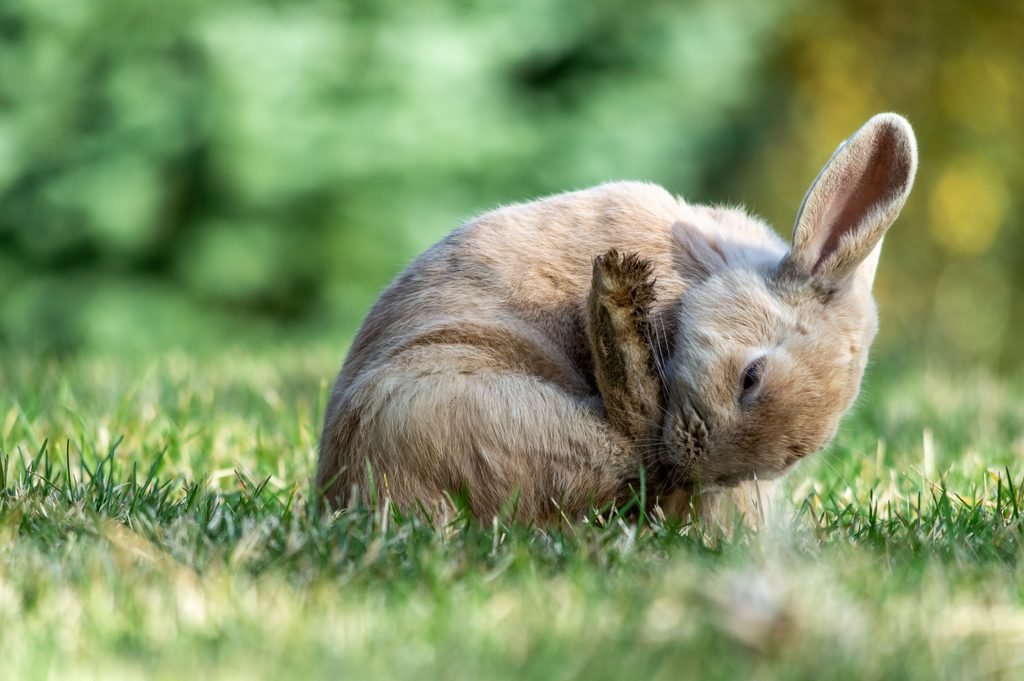
Older rabbits may have difficulty grooming themselves thoroughly, especially around their hindquarters, as flexibility and mobility decrease. Check your rabbit’s coat and rear area regularly for dirt, dampness, or irritation, and use gentle brushing when needed. Avoid pulling at tangled fur or giving unnecessary baths, which can be stressful and unsafe for rabbits. If you notice persistent soiling, skin problems, or difficulty maintaining cleanliness, consult a rabbit-savvy veterinarian to identify the underlying cause.
Food, Water and Aging
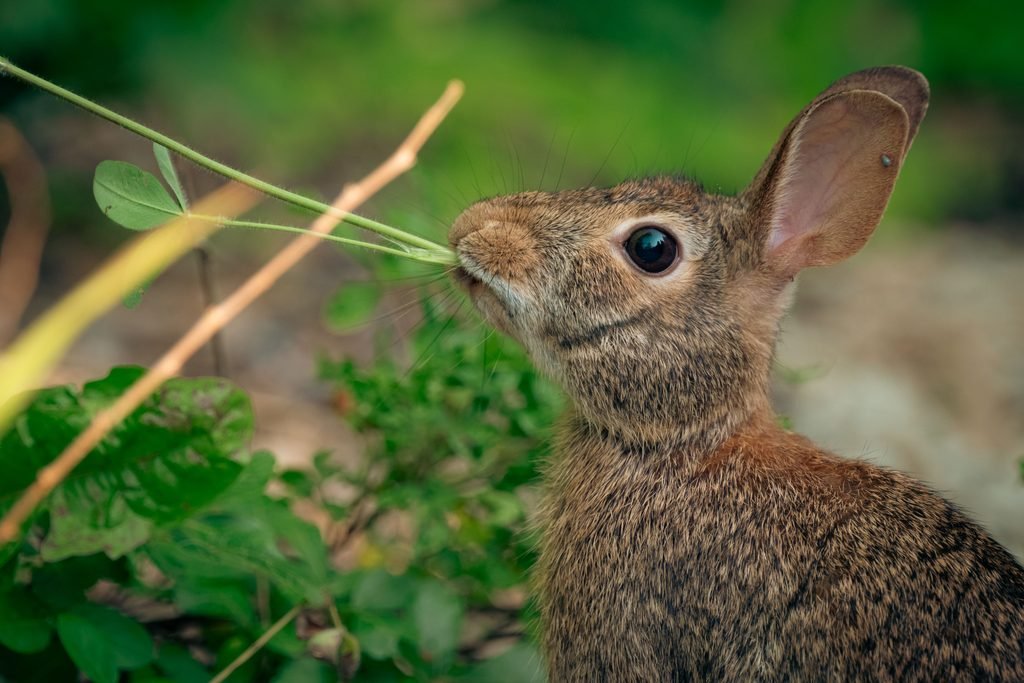
Senior rabbits may find it more difficult to reach food and water when experiencing stiffness or reduced mobility. Place hay, food bowls, and fresh water in easily accessible locations without requiring your rabbit to jump, climb, or stretch. Use stable, shallow bowls that are difficult to tip over, and ensure hay is available at a comfortable height. Monitor your rabbit’s eating, drinking, and droppings regularly, as noticeable changes can indicate a health problem requiring prompt veterinary attention.
Supporting Your Senior Rabbit’s Comfort
Every rabbit ages differently. Some remain active well into their senior years, while others need additional support with movement, grooming, feeding, or everyday activities.
Small changes to your rabbit’s living environment can make daily routines more accessible and comfortable. Pay attention to changes in mobility, appetite, behavior, and litter box habits, and adjust their surroundings to suit their individual needs.
Regular veterinary checkups are especially important for aging rabbits. If you notice signs of pain, reduced appetite, difficulty moving, or changes in droppings, seek advice from a qualified rabbit-savvy veterinarian.
Explore our care guides for more practical ideas on creating a safe, comfortable home for your senior rabbit.