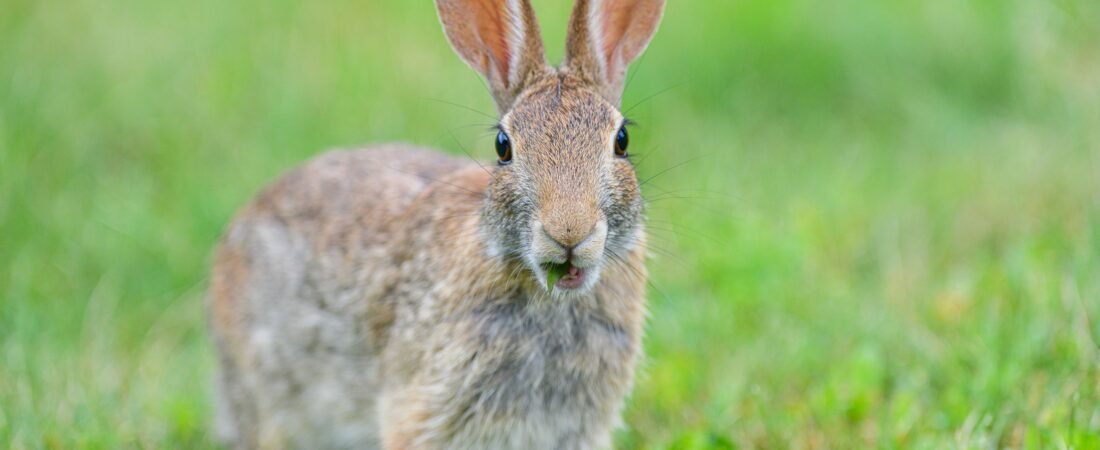
Have you noticed wet fur around your rabbit’s mouth, a damp chin, or saliva collecting beneath its jaw? It might look like your rabbit has simply been drinking water, but persistent drooling is not normal and can indicate a painful health problem.
Rabbit drooling is most commonly associated with dental disease, although mouth injuries, infections, exposure to harmful substances, overheating, and certain other illnesses can also cause excessive saliva. Even if your rabbit is still eating and behaving normally, unexplained drooling deserves prompt veterinary attention.
For senior rabbits, a wet chin can be an especially important warning sign. Dental disease may develop gradually, and older rabbits can sometimes continue eating softer foods while struggling to chew hay. If your rabbit is also grinding its teeth, our guide to rabbit teeth grinding and signs of pain explains other behaviors worth watching.
In this article, we’ll explore seven possible causes of drooling, how to recognize concerning symptoms, and what to do to keep your rabbit comfortable.
Rabbit Drooling: Is It Normal or a Warning Sign?
Unlike dogs, rabbits do not normally drool during ordinary relaxation or excitement. A rabbit may briefly have a wet chin after drinking, but repeated moisture, saliva staining, or matted fur around the mouth is different.
Excessive salivation is sometimes called ptyalism. In rabbits, it is also informally known as slobbers. The main concern is not simply the saliva itself. It is the underlying reason your rabbit is producing or failing to swallow excess saliva.
Wet Chin From Drinking vs. Rabbit Drooling
| What to check | Brief moisture after drinking | Concerning drooling |
|---|---|---|
| When it happens | Immediately after using a water bowl | Repeatedly or without drinking |
| Fur condition | Slightly damp, then dries | Continuously wet, sticky, or matted |
| Location | Small area around the mouth | Chin, lower jaw, neck, or chest |
| Appetite | Eating normally | May avoid hay or eat less |
| Other symptoms | No changes | Teeth grinding, weight loss, drooling, or reduced grooming |
| Next step | Observe whether the moisture disappears | Contact a rabbit experienced veterinarian promptly |
A wet chin alone cannot confirm dental disease, but persistent drooling should always be investigated.
The PDSA guide to drooling in rabbits explains that saliva staining and fur loss around the chin are common warning signs. It recommends contacting a veterinarian promptly when drooling appears.
Why Senior Rabbits Need Extra Attention
Older rabbits may have dental changes, painful joints, or other health problems that make normal grooming and eating more difficult. A senior rabbit with persistent drooling may also develop irritated skin beneath the chin because the fur remains damp.
If your rabbit is avoiding hay but still eating pellets, see our article on why rabbits stop eating hay but continue eating pellets.
That eating pattern can be an important clue when dental problems are suspected.
1. Overgrown or Misaligned Teeth
Dental disease is one of the most common causes of rabbit drooling. Rabbit teeth grow continuously throughout life. They are normally worn down through chewing fibrous foods, especially hay and grass.
When the teeth do not wear evenly, they may become overgrown or misaligned. This can make chewing uncomfortable and interfere with normal movement of the mouth.
Signs of Dental Problems
Watch for:
- Wet fur around the chin.
- Difficulty chewing hay.
- Dropping food while eating.
- Taking longer to finish meals.
- Preferring softer foods.
- Weight loss.
- Painful tooth grinding.
- Reduced grooming.
Why Does My Rabbit Drool While Eating?
A rabbit that drools while chewing may be experiencing oral discomfort. Overgrown or misaligned teeth can prevent food from being chewed normally, while pain may interfere with swallowing saliva. Some rabbits continue approaching food enthusiastically even when eating has become uncomfortable.
For senior rabbits, this can be misleading. An older rabbit may appear interested in food but gradually eat smaller amounts.
What Should You Do?
Arrange a dental examination with a rabbit experienced veterinarian. The veterinarian may examine the teeth and recommend additional tests if problems affecting the back teeth or tooth roots are suspected. Do not attempt to trim your rabbit’s teeth at home. Incorrect trimming can cause fractures, root injuries, and serious pain.
2. Sharp Molar Points and Painful Mouth Ulcers
Rabbit dental problems are not limited to visibly overgrown front teeth. The back teeth, also called cheek teeth, may develop sharp points when they wear unevenly. These points can rub against the tongue or cheeks, creating painful sores. A rabbit with mouth ulcers may produce excessive saliva or have difficulty swallowing comfortably.
Warning Signs
Possible symptoms include:
- Persistent drooling.
- Chewing slowly.
- Dropping partially chewed food.
- Avoiding hay.
- Grinding teeth in discomfort.
- Reduced appetite.
- Weight loss.
These symptoms may develop gradually. A rabbit with painful cheek teeth may continue eating pellets or treats while avoiding foods that require more chewing.
What About Senior Rabbits?
Older rabbits with longstanding dental problems may develop repeated episodes of oral discomfort. The problem may not be obvious from looking at the front teeth. A veterinarian may need specialized instruments to examine the cheek teeth properly.
Treatment depends on the findings and may involve professional dental correction and pain management. The important point is to treat the painful condition, rather than simply cleaning saliva from the chin.
3. Dental Abscesses and Infections
Another possible cause of excessive drooling in rabbits is a dental abscess. An abscess is a localized collection of infection that can develop around damaged teeth or their roots. Dental abscesses may involve the jawbone and surrounding tissues. These conditions can be painful and may interfere with chewing.
Signs That May Suggest a Dental Abscess
Look for:
- Swelling along the jaw or face.
- Persistent wetness around the mouth.
- Difficulty eating.
- Unexplained weight loss.
- Reduced activity.
- Pain when the face is touched.
- Eye discharge or watering.
Not every rabbit with a dental abscess develops obvious facial swelling. Some problems involving the tooth roots are hidden beneath the surface.
Why Senior Rabbits Should Be Monitored
A senior rabbit may continue eating selected foods despite developing a painful dental problem. Changes in body weight can provide an important clue. If your rabbit is becoming thinner while still showing interest in food, our guide to rabbit weight loss despite continued eating explains other warning signs worth discussing with your veterinarian.
How Are Dental Abscesses Treated?
Treatment varies depending on the location and severity of the infection. A veterinarian may recommend dental imaging, surgery, medication, or other treatment. Dental abscesses can be difficult to manage and sometimes require ongoing veterinary care. Never attempt to squeeze, drain, or treat a suspected abscess at home.
4. Mouth Injuries, Burns, or Trapped Objects
Rabbits explore their surroundings by chewing. Occasionally, this can lead to injuries inside the mouth. A sharp object, damaged tooth, or material caught between the teeth may cause discomfort and excessive salivation. Electrical cables and irritating household substances can also cause serious oral injuries.
Possible Signs of a Mouth Injury
You may notice:
- Sudden drooling.
- Difficulty chewing.
- Repeated mouth movements.
- Pawing at the face.
- Blood around the mouth.
- Refusing food.
- Signs of pain or distress.
What if Something Is Stuck in My Rabbit’s Mouth?
Do not force your rabbit’s mouth open or attempt to pull out an object you cannot safely see and remove. Rabbit mouths are small, and struggling can make an injury worse. If your rabbit has chewed an electrical cable, chemical product, or another dangerous material, seek emergency veterinary advice. And keep electrical cords and hazardous household items completely out of reach.
5. Exposure to Toxic or Irritating Substances
Rabbits may drool after coming into contact with certain toxic, bitter, or irritating substances. This can happen if they chew an unsafe plant, household chemical, medication, or another harmful material. Excessive salivation may be accompanied by other symptoms, depending on the substance involved.
Warning Signs
Possible signs include:
- Sudden drooling.
- Unusual mouth movements.
- Loss of appetite.
- Weakness or abnormal behavior.
- Tremors.
- Difficulty breathing.
- Collapse.
Not every poisoning causes visible drooling, and symptoms can vary significantly.
What Should You Do?
If you suspect your rabbit has eaten something toxic, contact an emergency veterinarian immediately.
Remove access to the suspected substance without putting yourself or your rabbit at further risk. If possible, keep the packaging or identify the plant so the veterinarian knows what may have been involved. Do not administer household remedies or attempt to make your rabbit vomit. Rabbits cannot vomit at all.
6. Heat Stress or Heatstroke

Overheating is another possible cause of drooling in rabbits.
Rabbits are vulnerable to heat stress because they have limited ways to cool themselves. They primarily regulate body temperature through their ears and behavior, such as moving to cooler areas. Senior rabbits may be especially vulnerable when poor mobility prevents them from moving away from excessive heat.
Warning Signs of Heat Stress
Look for:
- Drooling or excessive salivation.
- Rapid or shallow breathing.
- Hot, reddened ears.
- Weakness.
- Unusual stillness or lethargy.
- Tremors or poor coordination.
- Collapse.
The RSPCA’s guidance on heat stress in rabbits identifies drooling, rapid breathing, weakness, and hot ears among the possible warning signs.
What Should You Do?
Move your rabbit to a cooler, well-ventilated area immediately and contact an emergency veterinarian. Begin gentle cooling while arranging veterinary treatment, following veterinary first aid advice. Avoid ice baths, extreme cooling, or forcing your rabbit to drink.
Never wait for severe symptoms to develop before seeking help.
Protecting Senior Rabbits in Warm Weather
Provide:
- Cool, shaded resting areas.
- Fresh drinking water.
- Good ventilation.
- Access to cooler flooring.
- An enclosure that allows comfortable movement away from heat.
Rabbits with arthritis or weakness may need extra help reaching a comfortable resting area.
7. Other Illnesses Affecting the Mouth or Swallowing
Although dental problems are common, drooling can sometimes be associated with other medical conditions. For example, certain neurological problems may interfere with normal facial movements or swallowing. Ear disease affecting facial nerves can occasionally contribute to drooling.
Some systemic illnesses, including kidney disease, may also cause painful mouth ulcers. These causes are less straightforward to recognize at home.
Symptoms That Need Attention
Look for drooling alongside:
- Head tilt.
- Difficulty swallowing.
- An unusually drooping face.
- Weakness.
- Mouth sores.
- Changes in urination.
- Reduced appetite.
- Unexplained weight loss.
For a senior rabbit, several of these symptoms may appear alongside age related health changes. However, new weakness, difficulty swallowing, or unusual facial movements should never be dismissed as ordinary aging. A veterinarian may recommend a broader examination rather than looking only at the teeth.
Rabbit Drooling but Acting Normal: Should You Worry?
A rabbit that drools persistently should be assessed by a veterinarian even if it is still active and eating.
As rabbits often conceal discomfort, early dental disease may cause subtle changes long before a rabbit completely refuses food.
For example, your rabbit might still:
- Run toward its food bowl.
- Eat pellets normally.
- Accept favorite treats.
- Move around the enclosure.
- Interact with you.
But it may also be chewing less hay, eating smaller amounts, or slowly losing weight. Do not wait for your rabbit to stop eating before contacting a veterinarian about persistent drooling.
Rabbit Drooling and Not Eating: When Is It an Emergency?
Drooling becomes especially concerning when a rabbit stops eating or producing droppings. Rabbits rely on regular food intake to support healthy digestion.
Painful dental disease and other illnesses can cause appetite loss, which may contribute to serious gastrointestinal problems.
Quick Warning Sign Guide
| Symptom | Recommended action |
|---|---|
| Chin briefly wet after drinking | Observe whether it dries and stays dry |
| Persistent drooling, but rabbit still eats | Contact a rabbit experienced veterinarian promptly |
| Drooling with reduced hay consumption | Seek prompt veterinary assessment |
| Drooling with facial swelling | Seek urgent veterinary care |
| Drooling with refusal to eat | Emergency veterinary care |
| Drooling with no droppings | Emergency veterinary care |
| Drooling after suspected poisoning | Emergency veterinary care |
| Drooling with breathing difficulty or collapse | Emergency veterinary care |
| Drooling with overheating symptoms | Emergency veterinary care |
If your rabbit is not eating, appears severely unwell, or is producing no droppings, do not wait overnight.
Avoid force feeding or administering unprescribed medications while the cause remains unknown. Some conditions, including possible digestive obstruction, require assessment before assisted feeding.
How Do Veterinarians Diagnose Rabbit Drooling?
Treatment depends on identifying the underlying cause. A veterinarian will usually begin by asking about your rabbit’s eating habits, behavior, and when the drooling started.
Possible Examinations
Depending on the symptoms, the veterinarian may:
- Examine the mouth and teeth.
- Look for sharp points, injuries, or ulcers.
- Check the jaw for swelling.
- Assess body weight and hydration.
- Examine the ears and facial movements.
- Recommend dental X-rays or CT imaging.
- Perform blood tests when another illness is suspected.
Because rabbit cheek teeth and tooth roots are difficult to examine completely, some dental problems require specialized equipment or imaging.
Treatment for Drooling in Rabbits
| Underlying cause | Possible veterinary treatment |
|---|---|
| Overgrown or misaligned teeth | Professional dental correction |
| Sharp cheek teeth | Appropriate dental treatment and pain relief |
| Dental abscess | Dental procedures, medication, or surgery |
| Mouth injury | Removal of the cause and treatment of damaged tissue |
| Toxic exposure | Emergency treatment specific to the substance |
| Heatstroke | Emergency cooling and supportive care |
| Neurological or systemic illness | Treatment directed at the diagnosed condition |
Some dental problems require ongoing care, especially when tooth alignment or root disease cannot be fully corrected. Early diagnosis can help reduce discomfort and prevent complications.
How to Help a Senior Rabbit With a Wet Chin
While veterinary treatment addresses the underlying cause, there are practical ways to support your rabbit’s comfort.
1. Check Eating Habits Closely
Monitor whether your rabbit is chewing hay normally. Look for slower eating, dropped food, or changes in food preferences. Do not assume eating pellets means the mouth is pain free.
2. Keep Track of Body Weight
Gradual weight loss can be difficult to recognize beneath a thick coat. Regular weighing, using a method appropriate for your rabbit, may help identify changes. Discuss unexplained weight loss with your veterinarian.
3. Protect the Skin Beneath the Chin
Persistent saliva can leave the chin damp and irritate the skin. Follow your veterinarian’s instructions for gently keeping the area clean and dry. Avoid applying creams, powders, or other products unless your veterinarian recommends them. If your rabbit is also developing matted fur, our guide to rabbit matted fur and safe grooming may help once that article is published.
4. Make Food and Water Accessible
Senior rabbits with arthritis or weakness may benefit from easily accessible feeding areas. Place hay and water where your rabbit can reach them without climbing or stretching awkwardly.
5. Arrange Regular Dental Checks
Routine veterinary examinations can help detect problems before they become severe. Discuss changes in chewing, drooling, body weight, and grooming habits.
Dental problems can develop even when the visible front teeth appear normal.
Frequently Asked Questions

Why Is My Rabbit Drooling?
Rabbit drooling is commonly associated with dental disease, including overgrown teeth, sharp cheek teeth, and dental infections. Other possible causes include mouth injuries, toxic substances, heat stress, and certain illnesses. Persistent drooling requires veterinary attention.
Is It Normal for a Bunny to Drool?
Unlike some other pets, rabbits do not normally drool during everyday activities. A briefly wet chin after drinking may be harmless, but repeated saliva staining or damp fur should be investigated.
Why Is My Rabbit Drooling but Still Eating?
Some rabbits with dental pain continue eating selected foods, particularly softer foods or pellets. Persistent drooling despite a normal appetite can still indicate illness, so arrange veterinary care promptly.
Why Is My Rabbit Drooling When Petted?
Petting should not normally cause a rabbit to drool. A relaxed rabbit may gently grind its teeth during enjoyable petting, but visible saliva or a repeatedly wet chin should be checked by a veterinarian.
What Does a Green Chin Mean in Rabbits?
Green staining around the chin may come from chewed leafy greens mixing with moisture. However, a persistently wet, discolored, or irritated chin may indicate drooling or another problem. The color alone cannot identify the cause. Contact a veterinarian if the fur remains wet or your rabbit shows other symptoms.
Why Is My Rabbit Drooling and Not Eating?
Drooling combined with refusal to eat may indicate significant pain, dental disease, or another serious illness. Rabbits that stop eating can deteriorate quickly. Seek emergency veterinary care rather than attempting home treatment.
Can Stress Cause Rabbit Drooling?
Stress may affect a rabbit’s behavior, but persistent drooling should not be attributed to stress without veterinary assessment. Pain, dental disease, overheating, and other medical causes must be considered.
Can Senior Rabbits Develop Drooling Because of Age?
Drooling is not a normal part of aging. Older rabbits may develop dental or other health problems that contribute to excessive saliva, but these conditions need proper assessment and treatment.
Will Rabbit Drooling Stop After Dental Treatment?
It may improve or resolve if the dental problem responsible is successfully treated. However, some rabbits have ongoing or recurring dental conditions that require further treatment and monitoring.
Final Thoughts
Rabbit drooling is an important warning sign that should not be ignored. Although a chin briefly wet from drinking may be harmless, persistent saliva around the mouth usually indicates a problem that needs veterinary investigation. Dental disease is a common cause, but mouth injuries, infections, toxic substances, overheating, and other illnesses can also contribute.
For senior rabbits, pay close attention to changes in hay consumption, weight, grooming, and behavior. An older rabbit may continue eating while experiencing dental discomfort, so a normal appetite does not rule out illness. Regular observation and timely veterinary care can help protect your rabbit’s comfort and overall health.