
If your rabbit is not eating hay but eating pellets, dental pain, too many pellets, or unappealing hay may be responsible. Hay takes more chewing than pellets, so rabbits with sore teeth sometimes choose softer or easier foods.
If your rabbit suddenly stops eating hay, contact a rabbit veterinarian promptly. A change in eating habits can be an early sign of illness, even when your rabbit still enjoys pellets.
Here’s how to identify possible causes of why your rabbit is not eating pellets and what you can safely do next:
Rabbit Is Not Eating Hay but Eating Pellets? Here’s What to Do First
Before changing your rabbit’s diet, check their appetite, droppings, and behavior.
| What you notice | What to do |
|---|---|
| Suddenly refuses hay but still eats pellets | Contact a rabbit-savvy vet promptly |
| Drooling, dropping food, or chewing strangely | Request a dental examination |
| Eating less overall or producing fewer droppings | Seek urgent veterinary advice |
| Stops eating or stops producing droppings | Seek emergency veterinary care |
| Otherwise well but regularly ignores hay | Review hay quality, feeder access, and pellet portions |
Important: Never withhold pellets or other food to force a rabbit to eat hay. Rabbits need a continuous supply of appropriate fiber, and reduced food intake can become dangerous.
7 Reasons Your Rabbit Eats Pellets but Refuses Hay
1. Dental Problems Make Hay Painful to Chew
Dental disease is an important possibility when a rabbit suddenly stops eating hay. Rabbit teeth grow continuously. Uneven tooth wear, sharp points on cheek teeth, or other dental problems can make chewing long strands of hay uncomfortable.
Your rabbit may still eat pellets because they’re easier to chew or softer.
Things to Watch for:
- Drooling or a wet chin
- Dropping food while chewing
- Eating more slowly
- Weight loss
- Smaller or fewer droppings
As dental problems aren’t always visible by looking at the front teeth those are possible causes to always look for.
What helps: Arrange a rabbit veterinary dental examination. Don’t attempt to trim your rabbit teeth yourself.
2. Your Rabbit Is Eating Too Many Pellets
Pellets are concentrated food. If your rabbit fills up on them, they may show less interest in hay. This is especially common when pellets are available in excessive amounts. However, pellet needs vary with age, size, health, and body condition. Growing rabbits and some older or underweight rabbits may require different feeding plans. Also see our guide on Senior Rabbit Not Eating Cecotropes? 7 Essential Fixes for feeding changes.
What to do to help: Ask your veterinarian whether the current pellet portion is appropriate for your rabbit.
If a reduction is recommended by the veterinarian, make it gradually. Never suddenly remove pellets to make your rabbit hungry enough to eat hay.
3. The Hay Is Stale or Unappealing
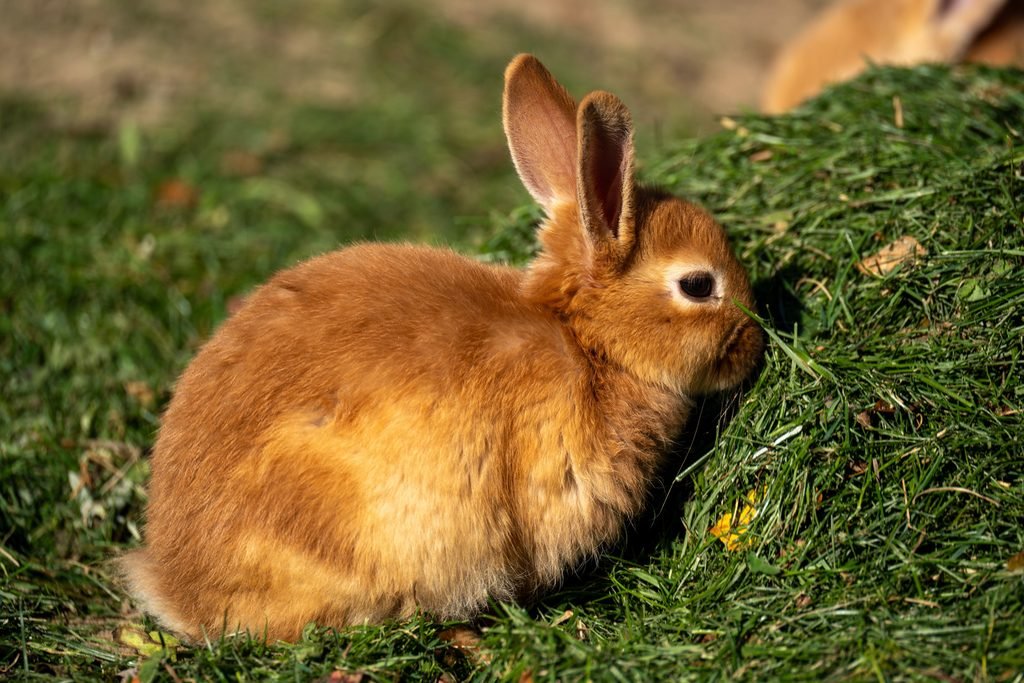
Rabbits can be surprisingly selective about hay. Your rabbit might not want to eat hay that’s damp, dusty, musty, or old. The rabbit may reject the hay, even when pellets are readily accepted. Also, some rabbits also prefer one grass-hay variety over another.
What helps: Offer fresh, clean, good-quality grass hay daily. Store it somewhere dry and well ventilated. You can try suitable varieties such as timothy, orchard grass, or meadow hay to discover which your rabbit prefers.
Discard moldy or spoiled hay rather than trying to make it more appealing.
4. The Hay Is Too Tough or Coarse
Not all hay has the same texture. Some cuts contain thick, coarse stems, while others have softer leaves. A rabbit may prefer softer hay, especially if chewing has become uncomfortable.
But a sudden preference for soft food can also indicate dental pain.
What helps: Offer another suitable grass-hay texture while arranging veterinary advice if the change is new or persistent.
Don’t assume your rabbit is simply being fussy.
5. The Hay Feeder Is Difficult to Reach
This is particularly relevant for senior rabbits. A rabbit with arthritis, weak hind legs, or limited mobility may struggle to stretch up to a hay rack or stand in an uncomfortable position while eating. The rabbit may still eat pellets because they’re placed in an easy-to-reach bowl.
What helps: Put fresh hay at a comfortable height, close to your rabbit’s usual resting or litter area. Use a clean, accessible feeding space and replace any hay that becomes wet or soiled.
For more accessibility ideas, see Senior Rabbit With Weak Hind Legs? 7 Ways to Make Home Life Easier.
6. Stress or a Change in Routine
Rabbits are sensitive to changes in their environment. Moving their enclosure, introducing another pet, changing feeding locations, or exposing them to frequent loud noises may affect eating habits. A rabbit sharing food with another rabbit may also have difficulty accessing enough hay.
What helps: Keep feeding routines consistent and provide quiet, accessible feeding areas. If you have multiple rabbits, make sure each rabbit can reach hay comfortably.
However, don’t assume stress is the explanation for a sudden change in appetite without considering illness.
7. Another Health Problem Is Affecting Appetite
Dental disease isn’t the only medical reason a rabbit may change what it eats. Pain, digestive problems, or other illnesses may reduce interest in hay while the rabbit continues accepting favorite foods.
Look for changes such as:
- Weight loss
- Reduced activity
- Smaller or fewer droppings
- Changes in drinking
- Unusual posture or signs of discomfort
What helps: Arrange a veterinary examination, especially if your rabbit’s eating habits have changed suddenly.
The Royal Veterinary College’s guidance on encouraging rabbits to eat hay also explains why hay matters and how feeding practices can affect hay consumption.
3 Safe Ways to Encourage Your Rabbit to Eat More Hay
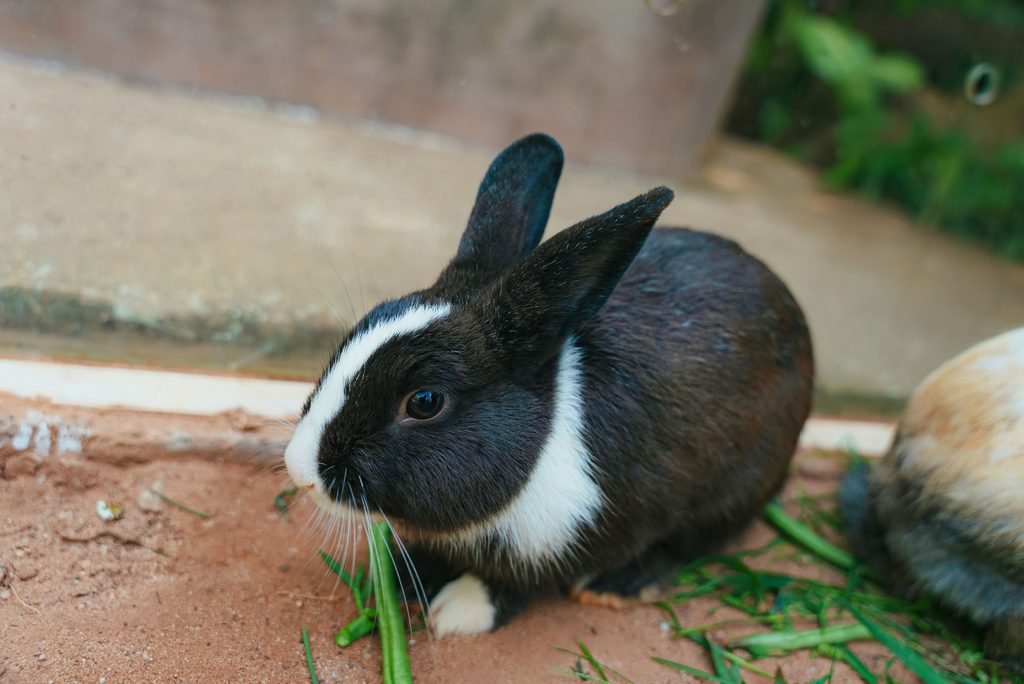
Once medical problems have been assessed, these simple changes may help.
1. Make Fresh Hay Easy to Find
Offer fresh grass hay every day and replace soiled portions. Try placing hay in several convenient locations, particularly near the litter area where many rabbits naturally like to graze. For older rabbits, avoid high racks that require uncomfortable stretching.
2. Experiment With Hay Varieties
Try different suitable grass hays or cuts. Some rabbits prefer softer orchard grass, while others enjoy timothy or meadow hay.
Introduce changes gradually and observe what your rabbit actually eats. Avoid treating alfalfa hay as a routine replacement for grass hay in a healthy adult rabbit unless your veterinarian recommends it for specific nutritional needs.
3. Review Pellet Portions Without Restricting Food
If your rabbit is receiving more pellets than appropriate, reducing the portion under veterinary guidance may encourage normal hay consumption. But if your rabbit is losing weight, eating less overall, or has a medical condition, restricting pellets could make matters worse.
The priority is maintaining safe food intake while identifying why hay is being refused.
Frequently Asked Questions
Can a rabbit live on pellets without hay?
Pellets alone are not an appropriate long-term replacement for a normal hay-based diet. Grass hay provides essential fiber and encourages the chewing activity rabbits need for dental and digestive health.
If your rabbit refuses hay, ask a rabbit-savvy veterinarian for advice rather than relying on pellets alone.
Should I stop giving pellets until my rabbit eats hay?
Never withhold food from your rabbit to force it to eat hay. A rabbit that reduces its overall food intake can develop serious digestive problems. Discuss any pellet adjustments with your veterinarian.
Is it normal for an older rabbit to stop eating hay?
No. Older rabbits may experience dental pain, arthritis, or difficulty reaching feeders, but refusing hay shouldn’t be dismissed as normal aging.
Make hay accessible and arrange a veterinary assessment.
How long can a rabbit go without eating hay?
There isn’t a safe waiting period to rely on when a rabbit suddenly stops eating hay.
If your rabbit is still eating other foods but abruptly refuses hay, contact a rabbit-savvy veterinarian promptly. If overall appetite or droppings decrease, seek urgent care.
Final Thoughts
When your rabbit is not eating hay but eating pellets, start by considering dental discomfort, pellet portions, hay quality, and feeder accessibility. For senior rabbits, simple changes such as lower hay feeders and comfortable feeding areas can help. But sudden or persistent hay refusal deserves veterinary attention.
The goal isn’t to force your rabbit to eat hay. It’s to identify what’s stopping them and make eating comfortable and safe again.