
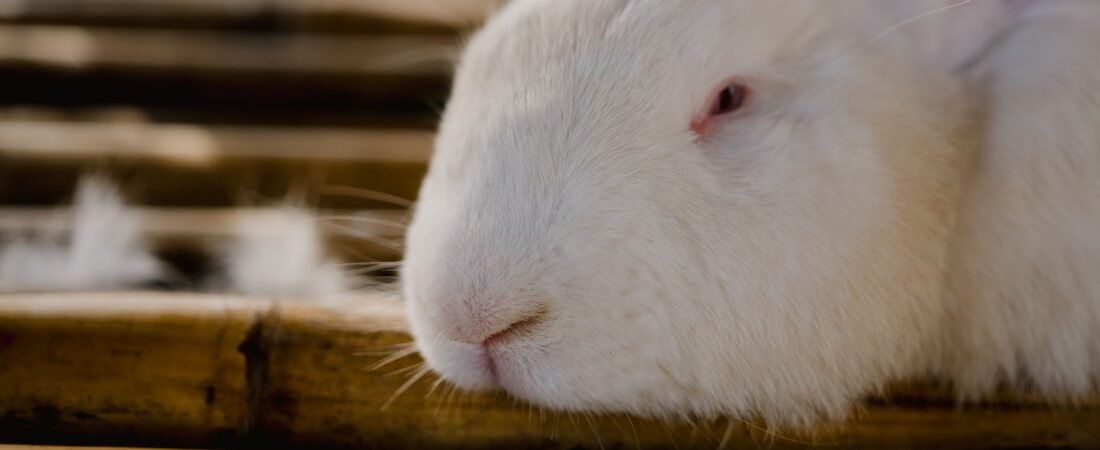
If you have senior rabbit with weak hind legs, the first thing is finding out why. There are many reasons for weak hind legs such as arthritis spinal injuries, neurological problems, or other illnesses. Once a veterinarian has assessed your rabbit than home assessment can be made to make your rabbit life comfortable.
To make the senior rabbit leg comfortable, start by providing non-slip flooring, a low-entry litter box, and easy access to hay and water. Your rabbit resting areas should be kept dry, remove any form of obstacles, and monitor your rabbit’s ability to move, eat, and use the bathroom. If your rabbit has sudden hind-leg weakness, dragging, or paralysis this requires immediate veterinary attention.
What Causes Weak Hind Legs in Senior Rabbits?
Weak hind legs are not always a normal consequence of aging. Several conditions can affect a rabbit’s ability to stand, hop, or support its weight. Arthritis and age-related joint changes may cause stiffness, reduced mobility, or difficulty rising from a resting position. Spinal injuries and neurological conditions can also affect movement.
Other possible causes include infections, disorders affecting the nervous system, and general weakness associated with illness.
The House Rabbit Society’s guide to hind-limb weakness and paralysis explains why veterinary diagnosis is essential before deciding on treatment. A senior rabbit with weak hind legs may need both medical care and changes to the home environment. The following seven adjustments focus on everyday comfort after your veterinarian has assessed the problem.
1. Replace Slippery Flooring With Non-Slip Surfaces
When the floor is slippery it makes hind-leg weakness more difficult to manage. When a rabbit also struggles to support its weight, smooth surfaces may cause the back feet to slide outward. Surfaces such as laminate floor, polished wood, and tile can become challenging for rabbits with arthritis or reduced mobility.
What to do: Cover the pathways the rabbit use most often, with flat, non-slip mats that provide reliable traction. Focus on the areas between your rabbit’s resting spot, litter box, hay, and water.
When choosing washable surfaces think of those that stays stay securely in place. Avoid loose rugs that bunch up, curled edges that create obstacles, and materials your rabbit might chew or swallow. A waterproof-backed mat can be useful near the litter box, particularly if your rabbit occasionally urinates outside the tray.
Our guide to waterproof, non-slip flooring for senior rabbits compares practical mats and rugs for older rabbits.
Improving traction may help a rabbit move more confidently, but it cannot treat the underlying cause of weakness.
2. Use a Low-Entry Litter Box
Regular litter boxes often have entrances that are too high for rabbits with reduced hind-leg strength. Even a relatively small step can become difficult when standing and lifting the back legs causes discomfort. Some rabbits begin urinating beside the box because they cannot enter quickly or comfortably. Others remain inside longer because leaving requires additional effort.
What to do: Choose a stable, spacious litter box with a low entrance and enough room for your rabbit to turn without struggling.
A tray with one lowered side and higher surrounding walls can help contain urine while maintaining easier access.
If your rabbit cannot step over any entrance safely, ask your veterinarian whether a flat, absorbent toileting area would be more appropriate. The House Rabbit Society’s accessible litter box advice describes adaptations for rabbits with significant mobility limitations.
Our article on low-entry litter boxes for senior rabbits explains what to look for when standard trays become difficult to use.
3. Move Hay, Water, and Food Within Easy Reach
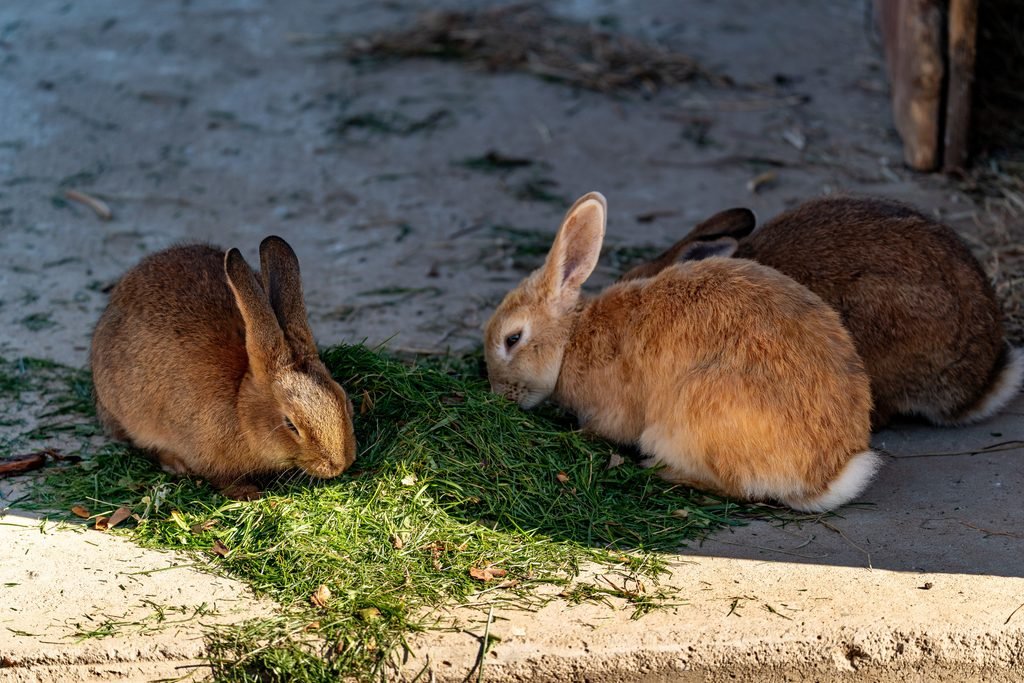
A rabbit with weak hind legs may struggle to reach essential supplies, particularly when food and water are positioned across a large enclosure. When a senior rabbit has to repeated move on slippery surfaces, or around obstacle things they once did naturally will become difficult.
What to do: Arrange hay, water, and food close to your rabbit’s preferred resting area without restricting movement.
Use a stable, shallow water bowl that is easy to reach and unlikely to tip. Keep fresh hay available at a comfortable height, avoiding racks that require your rabbit to stretch upward. Make sure your rabbit can eat and drink while maintaining a natural, supported posture.
Do not reduce hay or make sudden dietary changes because your rabbit has become less active. Fiber remains essential for normal digestion. The PDSA’s rabbit feeding guidance explains the importance of continuous access to suitable hay and a balanced, high-fiber diet.
Seek veterinarian advice if your rabbit is eating less than usual or producing fewer droppings.
4. Create a Comfortable Resting Area Without Obstacles
A senior rabbit with weak hind legs may spend more time resting because standing and moving require additional effort. Hard flooring can become uncomfortable during prolonged rest, while overly soft bedding may make it difficult to regain balance when standing.
What to do: Provide a flat, supportive resting surface with enough cushioning for comfort and enough stability for your rabbit to move safely.
Washable mats with a non-slip underside are often easier to maintain than loose blankets. Check that the surface remains dry and does not shift beneath your rabbit. Keep the resting area on one level and remove unnecessary ramps, platforms, or raised beds until your veterinarian confirms what movement is safe.
Your rabbit should have enough space to change position naturally without being forced to navigate obstacles. If your rabbit shares an enclosure with another rabbit, ensure both animals have adequate room and access to resources. Monitor interactions if the affected rabbit cannot move away comfortably.
5. Keep Your Rabbit’s Hindquarters Clean and Dry
Rabbits with reduced mobility may have difficulty positioning themselves when urinating or reaching their hindquarters during grooming. The tail, inner things or underside may collect urine or when the rabbit is mostly sitting in one place. Persistent moisture may irritate the skin and contribute to urine scald.
What to do: Check your rabbit’s hindquarters daily for damp fur, redness, irritation, or accumulated droppings.
Always remove any wet litter and replace damp bedding or mats with clean, dry ones. Our guide to keeping a senior rabbit’s litter area clean and dry explains how absorbent litter and washable floor protection can help manage moisture.
Avoid giving your rabbit a full bath or applying creams without veterinary advice. If the fur remains wet, the skin looks inflamed, or your rabbit cannot groom normally, arrange veterinary care.
6. Adjust the Enclosure to Reduce Unnecessary Movement
An enclosure designed for an active adult rabbit may become difficult to navigate for a senior rabbit who hind-leg strength has declines. Factors such as Narrow entrances, raised platforms, slippery corners, and long distances to reach hay and water can create avoidable challenges.
What to do: Arrange the enclosure around a simple, accessible route between the resting area, litter box, hay, and water.
Always Keep the pathways clear and wide enough for your rabbit to turn comfortably. Avoid moving essential items repeatedly because familiar layouts can make navigation easier. Our article on litter box placement for rabbits with limited mobility explains how positioning can reduce difficult journeys.
If your rabbit still moves independently, provide safe opportunities for gentle activity within the limits recommended by your veterinarian.
Do not encourage jumping, climbing, or any form of exercise. The House Rabbit Society’s housing guidance covers essential enclosure features, including suitable flooring, water access, and resting spaces.
7. Monitor Mobility and Follow Your Veterinarian’s Treatment Plan
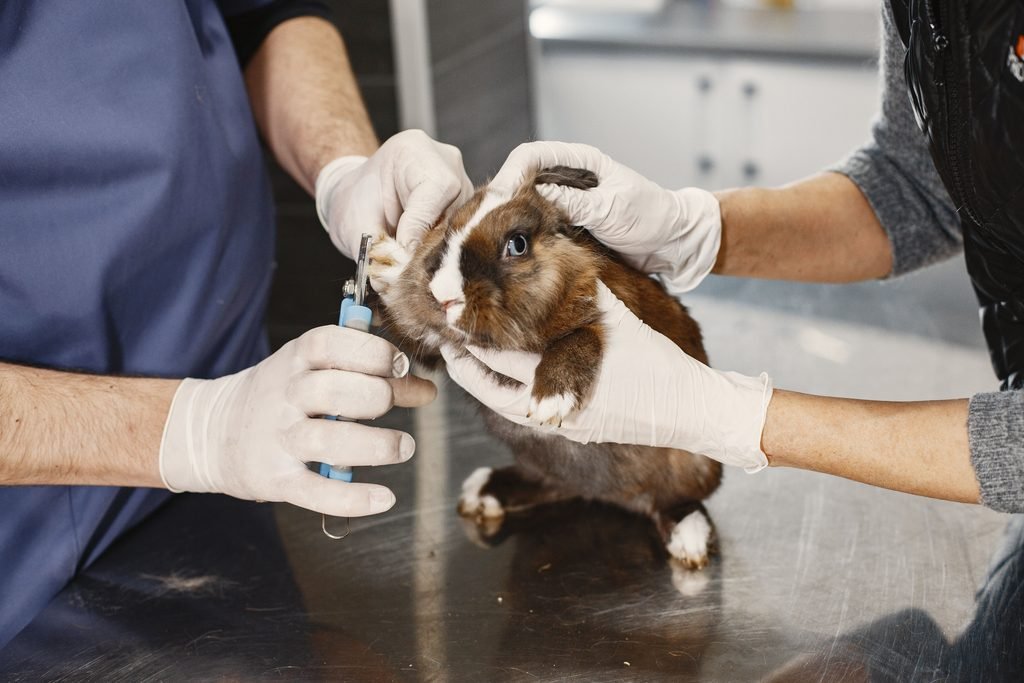
Home adjustments can improve comfort, but they cannot determine why your rabbit’s hind legs are weak. A veterinarian may need to assess joint pain, neurological function, spinal health, and other possible causes before recommending treatment.
What to do: Keep a simple daily record of your rabbit’s movement, appetite, droppings, urination, and ability to groom.
Notice whether your rabbit can rise independently, maintain balance, and reach food and water without struggling. A short video of unusual movement may help your veterinarian understand changes that are difficult to observe during an appointment. A senior rabbit with weak hind legs may require adjustments over time, particularly if the underlying condition changes or mobility declines.
When Is Hind-Leg Weakness an Emergency?
Sudden weakness, changes in appetite, less urine and droppings, dragging of the back legs, inability to stand, or paralysis requires emergency veterinary assessment. These signs may indicate an injury or another serious condition that needs treatment. If you suspect a fall, spinal injury, or other trauma, minimize movement while arranging transport. Do not attempt to straighten the legs, test the spine, or encourage your rabbit to hop.
Use a secure carrier with a firm, padded base and follow veterinary instructions for safe handling. The House Rabbit Society emphasizes prompt veterinary assessment for hind-limb weakness, while the PDSA identifies reduced appetite as an urgent concern in rabbits.
Frequently Asked Questions
Can a senior rabbit recover from weak hind legs?
Recovery depends on the underlying cause. Some conditions may improve with appropriate treatment, while others require ongoing mobility support.
A rabbit-experienced veterinarian can assess the likely cause and explain realistic treatment and recovery options.
Can arthritis cause weak back legs in rabbits?
Yes. Arthritis and degenerative joint changes can make standing, hopping, and supporting body weight difficult. However, similar symptoms can occur with spinal or neurological conditions, so veterinary examination is necessary.
Should I encourage my rabbit to exercise?
Gentle movement may be helpful for some rabbits with chronic mobility problems, but exercise is not appropriate for every condition. Do not encourage movement when weakness is sudden, an injury is suspected, or your rabbit cannot maintain balance. Ask your veterinarian what activity is safe.
What is the best flooring for a rabbit with weak hind legs?
Flat, non-slip, washable flooring is generally a practical choice for rabbits with reduced mobility. The surface should provide traction without bunching, sliding, or exposing loose fibers. Waterproof protection can also help around toileting areas.
Can a rabbit live comfortably with limited hind-leg movement?
Some rabbits with long-term mobility limitations can maintain a good quality of life with veterinary care and an appropriately adapted environment. Comfort depends on the underlying condition, pain control, hygiene, appetite, and the rabbit’s ability to perform normal daily activities.
Helping Your Senior Rabbit Stay Comfortable
A senior rabbit with weak hind legs needs appropriate veterinary assessment before home adjustments become the main focus.
Once the cause has been investigated, non-slip flooring, accessible litter boxes, nearby food and water, and supportive resting areas can make everyday life easier. Keep the environment clean, monitor changes in mobility, and follow your veterinarian’s recommendations for treatment and activity.
The goal is not to make your rabbit move as much as before. It is to help your rabbit remain comfortable, safe, and able to enjoy familiar daily routines.