
Have you noticed your rabbit’s eyes looking unusually wet, with tears collecting in the corners or damp fur beneath them? Watery eyes are a common concern among rabbit owners, but they should not be ignored, especially when the watering continues or keeps returning.
Rabbit watery eyes can be caused by blocked tear ducts, dental disease, irritation, infections, injuries, respiratory problems, or abnormal eyelids. Even clear tears may indicate an underlying condition that requires veterinary attention.
For senior rabbits, this symptom is particularly important. Dental problems, changes in tear drainage, and other health conditions can develop gradually, sometimes before an older rabbit shows obvious signs of discomfort.
The most useful clues are whether one or both eyes are affected, what the discharge looks like, and whether your rabbit is eating and behaving normally. If your rabbit also has changes in its appetite, our guide to why rabbits stop eating hay but continue eating pellets explains possible dental and digestive concerns.
Let’s explore seven causes of watery eyes in rabbits, the warning signs to recognize, and how to help your rabbit safely.
Rabbit Watery Eyes: What’s Normal and When to Worry?
A healthy rabbit’s eyes should generally look bright, clear, and comfortable, without persistent tearing or discharge. A small amount of normal eye secretion may occasionally be visible, but repeated watering or wet fur beneath the eye is not something to dismiss.
Veterinarians sometimes describe excessive tearing as epiphora. This happens when the eye produces more tears than can drain away, or when the normal tear drainage system is not functioning properly.
Clear Tears vs. Concerning Eye Discharge
| What you notice | What it may suggest | What to do |
|---|---|---|
| Occasional slight moisture | Normal secretion or temporary irritation | Observe, but seek advice if it continues |
| Persistent clear tears | Blocked tear duct, irritation, or another eye problem | Arrange a veterinary examination |
| Thick white or sticky discharge | Possible tear duct inflammation or infection | Contact a veterinarian promptly |
| Yellow or green discharge | Possible infection or significant inflammation | Seek prompt veterinary care |
| Redness or swelling | Irritation, infection, injury, or another eye condition | Arrange prompt assessment |
| Squinting or holding the eye closed | Possible painful eye injury or ulcer | Seek urgent veterinary care |
| Cloudy eye or visible injury | Potentially serious eye disease | Seek urgent veterinary care |
The appearance of discharge can provide clues, but it cannot identify the cause by itself.
Rabbit tears may naturally have a slightly milky appearance. However, persistent thick, sticky, or pus like discharge is concerning. According to the PDSA guide to weepy eyes in rabbits, watery eyes can indicate a problem even when the discharge is clear and the rabbit seems otherwise healthy.
Why Senior Rabbits Need Additional Attention
Older rabbits may develop dental problems or reduced grooming ability that makes eye issues more noticeable. Persistent moisture can also irritate the surrounding skin, causing fur to clump together or fall out. If your rabbit is developing bald patches beneath its eyes, our article on seven possible causes of rabbit fur loss explains other skin and coat changes worth monitoring.
1. Blocked or Inflamed Tear Ducts
One of the most common reasons for rabbit eye weeping is a problem with the tear ducts. Normally, tears help protect and lubricate the eyes before draining through tiny openings near the inner corners. The tears then pass through narrow ducts into the nose. When a duct becomes blocked, inflamed, or infected, tears may overflow onto the surrounding fur.
Signs of a Tear Duct Problem
You might notice:
- Persistent watering from one eye.
- Wet or stained fur beneath the eye.
- Sticky discharge collecting near the inner corner.
- Redness or irritation.
- Repeated episodes of watery eyes.
- Fur thinning around the affected area.
An inflamed tear duct is sometimes associated with a condition called dacryocystitis.
This condition can cause persistent tearing and thick, sticky discharge.
What Causes Tear Duct Blockages?
Possible causes include:
- Inflammation.
- Infection.
- Accumulated debris.
- Dental problems pressing against the duct.
- Narrow or abnormal tear duct anatomy.
Some rabbits are naturally more susceptible because of the shape of their skull and tear drainage system.
What Should You Do?
A veterinarian may examine the eye and determine whether a tear duct problem is present. Treatment depends on the cause and may involve medication, further investigation, or a professional tear duct flush. Never try to flush your rabbit’s tear duct at home. This requires appropriate equipment and veterinary training.
2. Dental Disease Can Cause Watery Eyes
Dental disease is an important cause of watery eyes in rabbits, particularly when the problem keeps returning. Rabbits have teeth that grow continuously throughout their lives. Their upper tooth roots are located close to the tear drainage structures. If dental disease affects the roots or surrounding bone, it may place pressure on a tear duct and interfere with normal drainage.
The result can be a persistently watery or leaky eye.
Signs of Dental Problems
Watch for:
- Eating less hay.
- Dropping food while chewing.
- Taking longer to finish meals.
- Preferring softer foods.
- Drooling or having a wet chin.
- Gradual weight loss.
- Reduced grooming.
- Swelling around the face or jaw.
Not every rabbit with dental disease shows obvious eating difficulties. Some continue eating normally while dental changes develop.
Why This Matters for Senior Rabbits
Dental problems may become more complicated as rabbits age, particularly when changes affect tooth alignment or the surrounding bone. An older rabbit with one watery eye may need a dental examination even if its appetite appears normal.
If your rabbit is also losing weight, our guide to rabbit weight loss despite continued eating explains additional warning signs to discuss with your veterinarian.
How Is Dental Disease Investigated?
A rabbit experienced veterinarian may examine the mouth, teeth, and jaw. Because the back teeth and tooth roots cannot be fully assessed from the outside, additional examination or diagnostic imaging may be necessary. Treating an underlying dental problem is often essential to managing recurring watery eyes.
3. Dust, Hay, or Other Irritants Can Cause Eye Watering
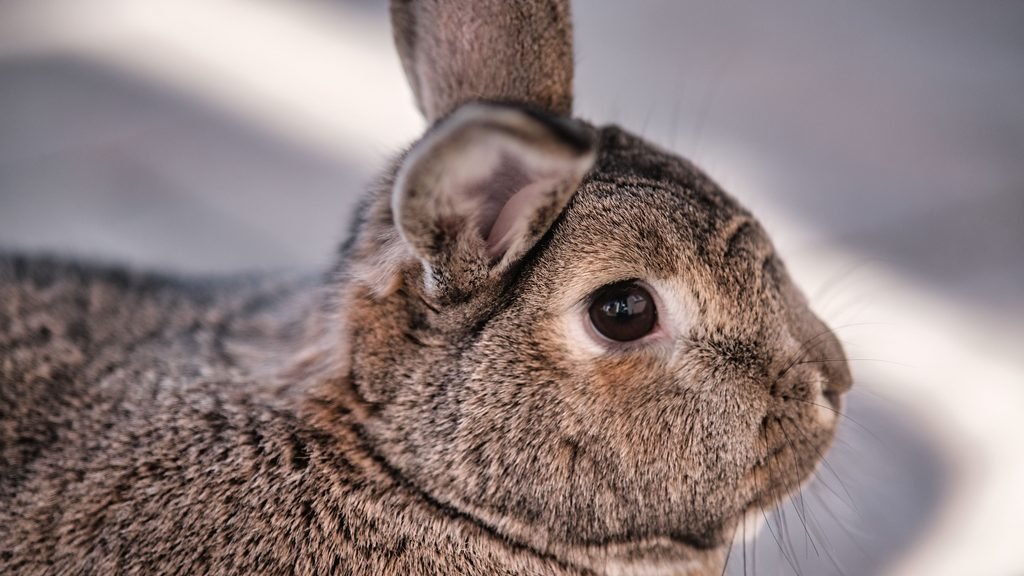
Rabbits spend much of their day around hay, bedding, and other materials.
Small particles may occasionally irritate the surface of the eye, leading to increased tear production.
Possible irritants include:
- Dusty hay.
- Loose bedding particles.
- Small pieces of straw.
- Airborne debris.
- Strong cleaning products.
- Smoke or irritating fumes.
Signs of Eye Irritation
You may notice:
- Increased blinking.
- Mild watering.
- Pawing or rubbing near the eye.
- Redness.
- Sensitivity when the area is touched.
However, these symptoms can also indicate an injury or infection.
A small piece of hay may scratch the eye rather than merely irritate it.
What Can You Do?
Check that your rabbit’s environment is clean and well ventilated. Use suitable, low dust bedding and good quality hay.
Keep strong sprays, fragrances, and cleaning chemicals away from your rabbit. Do not try to remove an object from the eye yourself.
If watering continues, or your rabbit squints, rubs the eye repeatedly, or appears uncomfortable, arrange veterinary care.
4. Conjunctivitis and Eye Infections
Conjunctivitis is inflammation of the thin tissue covering parts of the eye and the inside of the eyelids. It can occur because of infection, irritation, injury, or another underlying problem. Some rabbits develop watery discharge, while others produce thicker or stickier material.
Signs of Conjunctivitis
Possible symptoms include:
- Red or swollen tissue around the eye.
- Persistent watering.
- Sticky discharge.
- Crusting around the eyelids.
- Frequent blinking.
- Squinting.
- Discomfort when the eye is touched.
Rabbit Watery Eye With White Discharge: Is It an Infection?
Thick white discharge can occur with tear duct inflammation or infection, but the appearance alone cannot establish the diagnosis.
Some infections involve the tear duct rather than only the surface of the eye. The PDSA guide to dacryocystitis in rabbits explains that this condition commonly causes watery eyes, sticky white discharge, and irritation around the affected area.
What Treatment Is Needed?
A veterinarian may prescribe appropriate eye medication and investigate the underlying cause. If the infection is related to dental disease or a blocked tear duct, treatment may need to address those problems as well. Avoid using human eye drops, leftover medications, or treatments intended for another animal.
Some products can worsen certain eye conditions or delay appropriate care.
5. Eye Injuries or Corneal Ulcers
Rabbit eyes are relatively large and can be vulnerable to accidental injuries. A sharp piece of hay, an encounter with another rabbit, or contact with an object may damage the surface of the eye. One possible result is a corneal ulcer, which is an injury affecting the clear outer surface of the eye.
Warning Signs of an Eye Injury
Look for:
- Sudden excessive tearing.
- Squinting.
- Holding one eye partially or completely closed.
- Redness.
- Cloudiness.
- Repeated rubbing of the face.
- Visible discomfort.
Some injuries are too small to see without veterinary equipment.
Why Prompt Treatment Matters
Corneal ulcers can be painful and may worsen quickly. A veterinarian may use a special dye to help identify damage to the eye’s surface.
Treatment depends on the injury and may involve suitable medication and pain relief. If your rabbit is squinting, holding its eye closed, or showing signs of eye pain, seek urgent veterinary care.
Do not wait for the discharge to change color before asking for help.
6. Respiratory Infections Can Affect the Eyes
Sometimes watery eyes occur alongside sneezing or nasal discharge. Rabbits can develop respiratory infections that affect the nose, airways, and surrounding structures.
Certain bacterial infections may also involve the eyes or tear ducts.
Symptoms to Watch For
Possible signs include:
- Watery eyes.
- Sneezing.
- Wet or crusty fur around the nose.
- Nasal discharge.
- Noisy breathing.
- Reduced activity.
- Loss of appetite.
What if My Rabbit Has Watery Eyes and Is Sneezing?
This combination can indicate a respiratory problem, although irritation and other conditions are also possible. A veterinarian can assess whether infection, tear duct disease, or another cause is responsible. For senior rabbits, respiratory symptoms can be particularly concerning when they are accompanied by weakness or reduced appetite. Labored breathing, open mouth breathing, or obvious breathing distress requires emergency veterinary care.
Do not attempt to treat a suspected respiratory infection with household remedies.
7. Eyelid Problems and Other Eye Conditions
Not every watery eye is caused by infection or a blocked tear duct. Sometimes the problem involves the eyelids, eyelashes, or the eye itself. For example, an eyelid may turn inward, causing hair or eyelashes to rub against the surface of the eye.
Other conditions may interfere with normal blinking or tear drainage.
Possible Warning Signs
Look for:
- Persistent tearing.
- Eyelashes rubbing against the eye.
- Red or swollen eyelids.
- Repeated squinting.
- Eye cloudiness.
- Changes in the appearance of the eyeball.
- Discomfort when blinking.
Some eye problems, including glaucoma, can cause significant pain and may threaten vision.
Why Senior Rabbits Need Careful Monitoring
An older rabbit may be less active or spend more time resting, making subtle discomfort difficult to notice. A change in eye appearance, repeated tearing, or unusual blinking should not be dismissed as normal aging. A veterinarian may assess eye pressure, examine the eyelids, or recommend further testing depending on the symptoms.
Rabbit Watery Eyes: Why Is Only One Eye Watering?
One of the most common questions rabbit owners ask is why one eye is watery while the other appears normal. A single watery eye may suggest a problem affecting that side of the face, such as irritation, tear duct obstruction, injury, or dental disease.
However, both localized and broader health problems can affect one or both eyes.
One Watery Eye vs. Both Eyes Watering
| Pattern | Possible explanations |
|---|---|
| One eye watering | Local irritation, injury, blocked tear duct, dental disease |
| Both eyes watering | Irritation, infection, tear drainage problems, other eye conditions |
| One eye with thick discharge | Tear duct inflammation or infection |
| Watery eyes with sneezing | Respiratory infection or irritation |
| Watery eye with squinting | Painful eye injury or other eye disease |
| Recurring watering | Dental disease, chronic tear duct problems, or another unresolved condition |
This comparison is intended to help you recognize patterns, not diagnose the cause at home.
Whether one eye or both eyes are affected, persistent watering should be evaluated by a veterinarian.
Rabbit Watery Eyes: Diagnosis and Treatment
Rabbit watery eye treatment depends on what is causing the problem. There is no single treatment that works for every rabbit. A veterinarian may recommend different investigations depending on the symptoms.
Possible Veterinary Examinations
These may include:
- Examining the eye and surrounding tissue.
- Checking for corneal injuries.
- Looking for infection or inflammation.
- Assessing tear drainage.
- Examining the teeth and jaw.
- Taking samples of discharge when needed.
- Using diagnostic imaging if dental disease or deeper problems are suspected.
Common Treatment Approaches
| Underlying problem | Possible veterinary approach |
|---|---|
| Blocked tear duct | Professional flushing or treatment of the obstruction |
| Tear duct infection | Suitable medication and investigation of the cause |
| Dental disease | Dental treatment and ongoing monitoring |
| Conjunctivitis | Medication selected for the underlying cause |
| Corneal injury | Prompt eye treatment and pain management |
| Respiratory infection | Veterinary treatment of the infection |
| Eyelid abnormalities | Medical treatment or corrective procedures when necessary |
Some conditions resolve with treatment, while others require ongoing management. For example, chronic tear duct obstruction associated with dental disease may return even after initial improvement. The most important goal is to identify and manage the underlying cause rather than simply removing visible discharge.
What to Do if Your Rabbit Has Watery Eyes
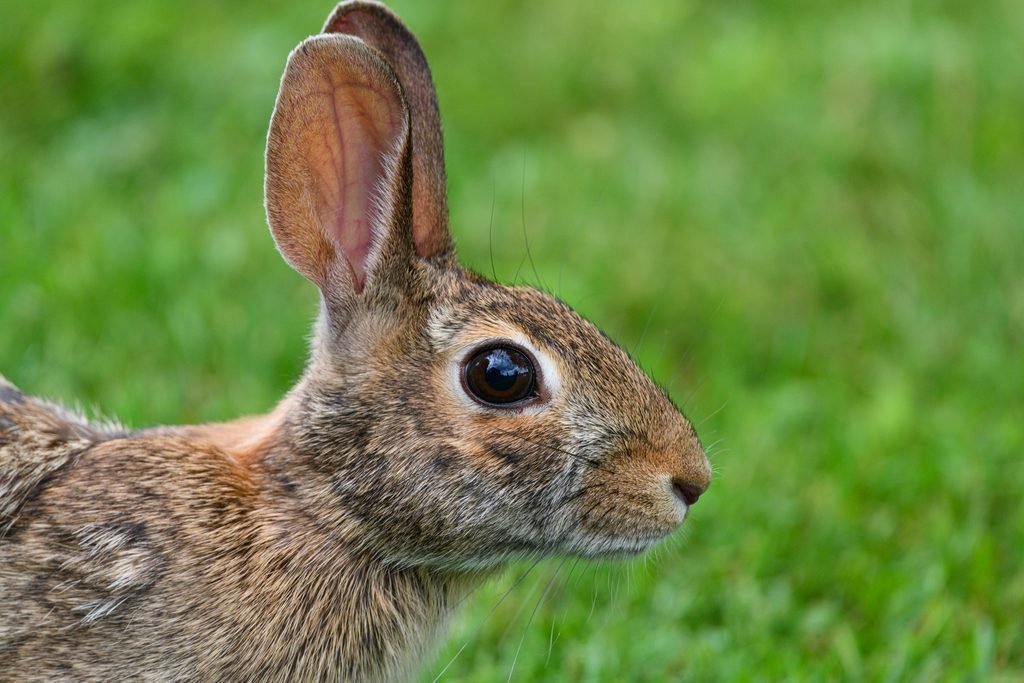
If you notice excessive tearing, these steps can help you monitor your rabbit safely while arranging veterinary advice.
Step 1: Check the Appearance of the Eye
Look for redness, swelling, discharge, cloudiness, or squinting. Do not force your rabbit’s eyelids open.
Step 2: Observe Whether One or Both Eyes Are Affected
Make a note of where the watering occurs. This information may help your veterinarian assess the problem.
Step 3: Monitor Eating and Droppings
Check that your rabbit is eating normally and producing its usual droppings. Reduced appetite, especially alongside eye discomfort, is concerning. If your rabbit stops eating or producing droppings, seek emergency veterinary care.
Step 4: Check for Other Symptoms
Look for:
- Sneezing or nasal discharge.
- Changes in chewing.
- Drooling.
- Facial swelling.
- Weight loss.
- Reduced grooming.
- Changes in activity.
These additional symptoms can help identify a broader health problem.
Step 5: Keep the Surrounding Fur Comfortable
If your veterinarian has advised gentle cleaning, use the recommended method to remove discharge from the fur surrounding the eye.
Avoid rubbing the eyeball or pulling at dried crusts. Do not put homemade solutions, essential oils, or unprescribed drops into the eye.
Step 6: Arrange Veterinary Care
Contact a rabbit experienced veterinarian when you notice persistent or recurring eye watering. If the eye appears painful, cloudy, swollen, or injured, seek urgent assessment.
When Are Watery Eyes an Emergency?
Some eye symptoms require more urgent attention than others.
| Symptom | Recommended action |
|---|---|
| Persistent clear watering | Arrange a veterinary appointment |
| Thick or sticky discharge | Contact a veterinarian promptly |
| Redness or swelling | Seek prompt veterinary assessment |
| Squinting or holding the eye closed | Urgent veterinary care |
| Cloudiness or visible injury | Urgent veterinary care |
| Eye appears to bulge or change shape | Urgent veterinary care |
| Refusing food or producing no droppings | Emergency veterinary care |
| Labored breathing or collapse | Emergency veterinary care |
When an eye looks painful, do not wait for symptoms to become severe. Prompt treatment can help protect your rabbit’s comfort and vision.
How to Protect Your Senior Rabbit’s Eye Health
Older rabbits benefit from regular observation because changes can occur gradually. A simple routine can help you recognize problems early.
Check the Eyes Daily
Look for unusual moisture, discharge, redness, or changes in appearance. Pay attention to whether your rabbit is blinking comfortably.
Watch for Dental Problems
Dental disease can affect tear drainage. Monitor hay consumption, chewing habits, body weight, and signs of drooling.
Keep Bedding Clean and Low in Dust
Use suitable bedding and remove damp or dirty materials regularly. Avoid strong fragrances, sprays, and irritating fumes around your rabbit.
Support Comfortable Grooming
Senior rabbits with arthritis may struggle to clean their faces and surrounding fur effectively. Gentle assistance may help, but persistent wetness requires veterinary evaluation.
Monitor Changes in Behavior
Notice if your rabbit becomes quieter, moves less, or starts avoiding food. These changes may indicate discomfort even when the eye problem appears mild.
Continue Regular Veterinary Checks
A rabbit experienced veterinarian can assess eye health alongside dental condition, mobility, and general wellness. For older rabbits with recurring watery eyes, ongoing monitoring may be necessary.
Frequently Asked Questions

Why Are My Rabbit’s Eyes Watering?
Watery eyes can result from tear duct blockages, dental disease, irritation, infections, injuries, or other eye conditions. Persistent watering should be checked by a veterinarian even when the discharge is clear.
Why Is Only One of My Rabbit’s Eyes Watering?
A single watery eye may be caused by a localized problem such as irritation, injury, a blocked tear duct, or dental disease. A veterinary examination can help identify the cause.
Is a Bunny Watery Eye Normal?
A small amount of normal eye secretion may occasionally be visible, but persistent tearing is not considered normal. If your bunny has a watery eye that continues or returns, arrange veterinary advice.
What Does White Discharge From a Rabbit’s Eye Mean?
Thick, sticky white discharge may indicate tear duct inflammation or infection. Although normal rabbit tears can sometimes appear slightly milky, persistent opaque or sticky discharge requires veterinary assessment.
Can Dental Problems Cause Rabbit Eye Tearing?
Yes. Rabbit tooth roots are located close to the tear ducts. Dental disease can affect tear drainage, causing one or both eyes to water.
What Is the Best Treatment for a Rabbit’s Leaky Eye?
Treatment depends on the cause. A veterinarian may recommend tear duct treatment, appropriate eye medication, dental care, or another intervention. Home remedies cannot reliably identify or address the underlying problem.
Why Does My Senior Rabbit Keep Getting Watery Eyes?
Recurring watery eyes in older rabbits may be associated with chronic tear duct problems, dental disease, or other eye conditions. A veterinarian may recommend further examination and ongoing management.
Can Watery Eyes Cause Fur Loss Around a Rabbit’s Face?
Yes. Persistent moisture can irritate the skin and contribute to thinning or loss of fur beneath the eyes. Managing the underlying cause is important for protecting both the eye and surrounding skin.
Final Thoughts
Rabbit watery eyes should not be ignored, even when the discharge is clear. Persistent tearing may indicate a blocked tear duct, dental disease, irritation, infection, injury, or another medical problem. The appearance of the discharge and whether one or both eyes are affected can provide useful clues, but they cannot replace a veterinary examination.
For senior rabbits, pay particular attention to dental health, recurring eye moisture, changes in appetite, and irritation around the face. Regular observation and prompt veterinary advice can help prevent a manageable eye problem from becoming more serious.