
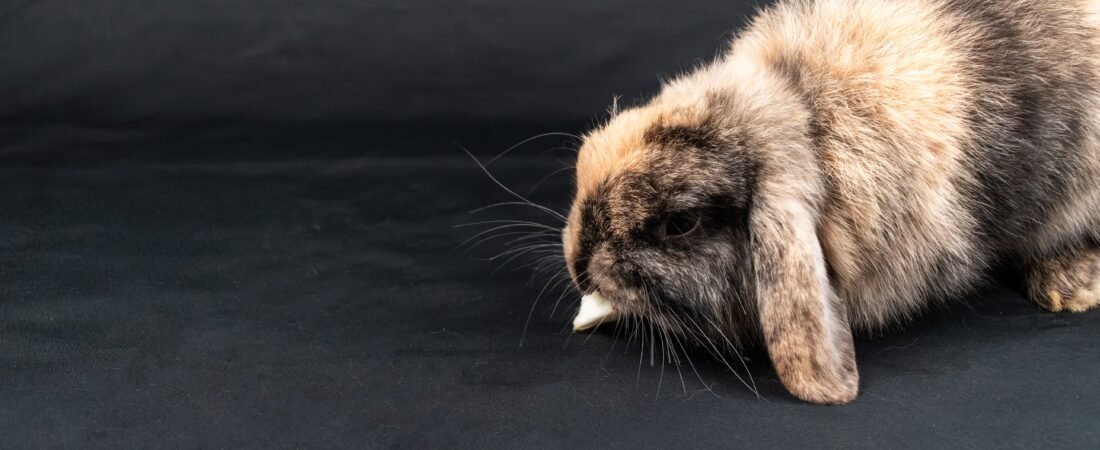
Is your rabbit grinding its teeth? The sound can mean two very different things. Gentle, quiet tooth grinding—often called tooth purring—can be a sign that your rabbit feels relaxed and content. Louder or persistent grinding, especially when accompanied by a hunched posture, reduced appetite, or unusual behavior, may indicate pain or illness.
For senior rabbits, the distinction is particularly important. Older rabbits may experience dental problems, arthritis, or other conditions that cause discomfort, and their symptoms can be subtle. The best way to understand rabbit grinding teeth is to look at the whole picture: the sound, your rabbit’s body language, eating habits, droppings, and whether anything has changed recently.
Rabbit Grinding Teeth: Happy or in Pain?
Before exploring the seven signs, here’s a quick comparison.
| What to look for | More consistent with contentment | Possible warning sign |
|---|---|---|
| Sound | Soft, gentle tooth purring | Loud, harsh, or persistent grinding |
| Body posture | Relaxed, comfortable, resting naturally | Hunched, tense, or unusually still |
| Appetite | Eating hay and other usual foods normally | Eating less, refusing food, or dropping food |
| Droppings | Normal size and quantity | Fewer, smaller, or no droppings |
| Behavior | Comfortable with familiar surroundings | Hiding, withdrawing, or resisting touch |
| Timing | Often occurs during enjoyable petting | New, unexplained, or occurring alongside other symptoms |
Important: These are clues, not a diagnosis. Quiet grinding does not guarantee that a rabbit is pain-free, and sound alone cannot tell you what’s wrong.
If your rabbit stops eating, produces no droppings, or appears seriously unwell, contact a rabbit-experienced veterinarian immediately.
1. Gentle Teeth Grinding During Petting Can Mean Happiness
Have you noticed your rabbit making a soft clicking or vibrating sound while you gently stroke its forehead?
This is often called rabbit tooth purring. Rabbits don’t purr using their throats like cats. Instead, they may lightly move their teeth together when they feel comfortable.
Signs that support a relaxed interpretation include:
- Your rabbit settles into a comfortable position.
- Its eyes appear soft or partially closed.
- Its body feels relaxed rather than tense.
- It continues eating, grooming, and exploring normally.
- The gentle grinding happens during familiar, enjoyable interactions.
Some rabbits also make a faint purring sound while resting beside a trusted companion.
What about senior rabbits?
Older rabbits can continue tooth purring throughout their lives. A senior rabbit that enjoys quiet forehead strokes may show contentment in exactly the same way as a younger rabbit.
However, don’t assume every grinding sound during petting means happiness. If your rabbit also seems uncomfortable, has stopped eating normally, or reacts negatively to being touched, seek veterinary advice.
The key is to consider the sound together with your rabbit’s behavior.
2. Relaxed Body Language Supports Happy Tooth Purring
Your rabbit’s posture can reveal more than the grinding sound itself.
A comfortable rabbit might:
- Rest with its legs tucked naturally underneath its body.
- Stretch out on a familiar mat.
- Close its eyes while being gently petted.
- Groom itself or its companion.
- Return to normal activities afterward.
These behaviors can support the idea that quiet grinding is associated with relaxation.
But rabbits are individuals. Some prefer sitting upright, while others stretch out completely.
Why this matters for older rabbits
Senior rabbits may choose different resting positions because of stiffness or reduced mobility. For example, an older rabbit with sore joints might no longer flop onto its side as frequently as it once did. That doesn’t automatically mean the rabbit is unhappy. However, a noticeable change in posture, especially alongside tooth grinding deserves attention.
If your senior rabbit has trouble getting comfortable, our guide to helping rabbits with weak hind legs explains practical ways to make their living area easier to navigate.
3. Loud or Persistent Teeth Grinding May Indicate Pain
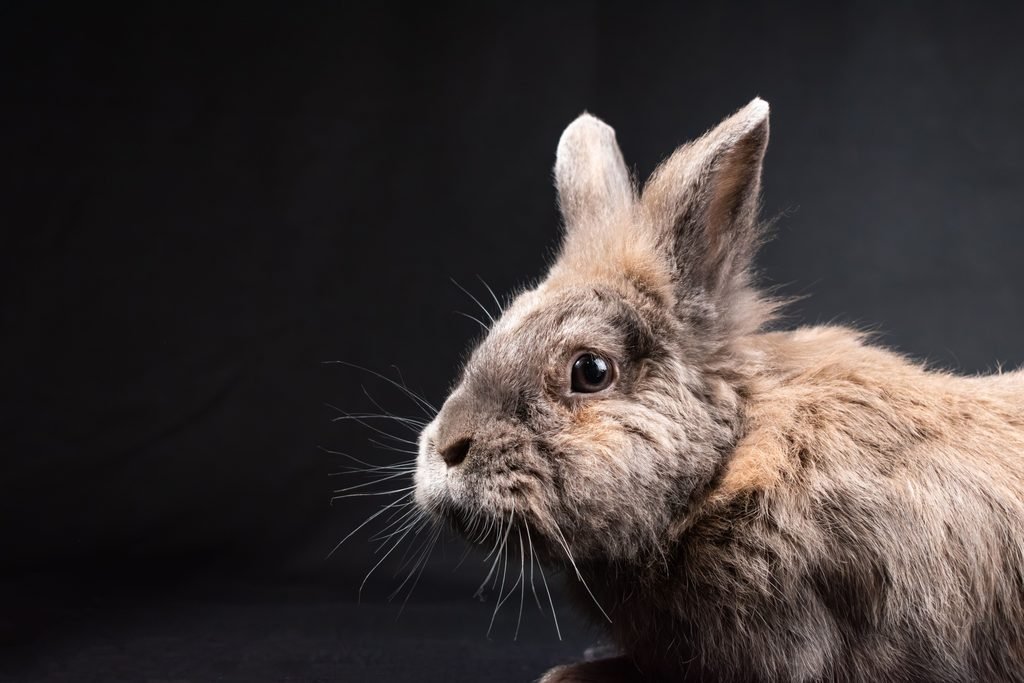
One of the most important distinctions is the difference between gentle tooth purring and more forceful grinding. Loud rabbit teeth grinding can be a warning sign of pain, illness, or distress.
The sound may be more noticeable than ordinary tooth purring, and your rabbit might make it while sitting alone rather than during an enjoyable interaction.
Other concerning signs include:
- Remaining unusually still.
- Sitting with a hunched back.
- Keeping the eyes partly closed while appearing tense.
- Hiding more than usual.
- Showing less interest in food.
- Becoming unusually irritable or reluctant to move.
According to PDSA’s veterinary guidance on rabbit teeth grinding, quiet grinding is commonly associated with relaxation, while louder grinding can indicate discomfort or illness.
The organization also advises contacting a veterinarian when tooth grinding begins unexpectedly or occurs with other concerning symptoms.
Don’t judge pain by volume alone
Not every painful rabbit grinds loudly, and some rabbits make very little noise when unwell. This is especially important with senior rabbits, which may already have quieter routines.
A sudden change in your rabbit’s normal behavior matters more than any single sound.
4. Grinding Teeth With a Hunched Posture Is a Warning Sign
A rabbit sitting quietly isn’t necessarily a rabbit in pain. But there is a difference between resting comfortably and sitting in a tense, hunched position.
A rabbit experiencing discomfort may:
- Sit tightly hunched rather than resting naturally.
- Remain in one place for an unusually long time.
- Appear unwilling to stretch out.
- Avoid normal interaction.
- Grind its teeth while looking uncomfortable.
Possible causes include abdominal discomfort, dental pain, injury, or other illness.
Could arthritis cause tooth grinding in senior rabbits?
Yes, pain associated with arthritis may contribute to tooth grinding, although the sound alone cannot establish that arthritis is the cause.
Arthritis can make everyday movements uncomfortable for older rabbits.
Watch for changes such as:
- Difficulty stepping into the litter box.
- Reluctance to hop or climb.
- Stiffness after resting.
- Reduced grooming.
- Trouble reaching the hindquarters.
- Spending more time in one location.
These symptoms should not simply be dismissed as normal aging. A rabbit-experienced veterinarian can assess whether arthritis or another condition is responsible and recommend appropriate treatment. You can also help make daily life more comfortable by providing non-slip flooring, low-entry litter boxes, and easily accessible food and water.
Avoid giving human pain medications unless a veterinarian specifically directs you to do so.
5. Teeth Grinding With Changes in Eating May Signal Dental Problems
Rabbit grinding teeth while eating or alongside difficulty eating deserves particular attention. Rabbit teeth grow continuously throughout life. Normally, chewing fibrous foods helps wear them down. However, dental problems can develop when teeth don’t wear evenly or when other issues affect the mouth.
Possible conditions include:
- Overgrown teeth.
- Sharp points on the back teeth.
- Tooth damage.
- Dental infections or abscesses.
- Painful sores inside the mouth.
A rabbit with dental discomfort may still approach its food bowl enthusiastically but struggle to chew.
Look for these signs:
- Eating pellets but avoiding hay.
- Dropping food while chewing.
- Taking longer than usual to finish meals.
- Chewing differently or favoring one side.
- Drooling or having a wet chin.
- Losing weight.
- Grinding teeth outside normal relaxation periods.
The RSPCA’s guide to dental problems in rabbits explains how abnormal tooth wear can lead to painful dental disease and why a veterinary examination may be necessary.
Dental problems in senior rabbits
Older rabbits can develop dental disease even if they previously had healthy teeth. One useful warning sign is a change in food preference. For example, a senior rabbit might continue eating soft foods or pellets while gradually avoiding hay because chewing has become uncomfortable.
If you’ve noticed this pattern, read our article on rabbit not eating hay but eating pellets. Don’t wait for your rabbit to stop eating completely before seeking help. A veterinarian may need to examine the back teeth and investigate problems that aren’t visible from the outside.
Never attempt to trim or file your rabbit’s teeth at home.
6. Teeth Grinding With Fewer Droppings or Loss of Appetite Can Be an Emergency
A rabbit that grinds its teeth and stops eating may be experiencing serious discomfort. One possible concern is gastrointestinal (GI) stasis, a condition in which normal movement through the digestive tract slows down. GI stasis can occur alongside pain, dental disease, dehydration, stress, or other illnesses. An intestinal obstruction is another serious possibility that requires veterinary assessment.
Warning signs include:
- Refusing hay, pellets, or favorite foods.
- Producing fewer or smaller droppings.
- Producing no droppings.
- Sitting hunched or appearing uncomfortable.
- Grinding teeth while remaining unusually still.
- Becoming weak or less responsive.
What should you do?
Contact a rabbit-experienced veterinarian or emergency veterinary service immediately if your rabbit is not eating or is producing no droppings.
Do not wait overnight to see whether the problem resolves. Avoid giving medications, attempting home remedies, or force-feeding a rabbit with suspected digestive illness unless a veterinarian has instructed you to do so. A blockage must be considered before assisted feeding.
Why senior rabbits need close monitoring
Older rabbits with dental pain or arthritis may eat less because chewing or moving to their food becomes difficult. Reduced food intake can then contribute to digestive problems. Check that your senior rabbit can comfortably reach its hay, water, and usual feeding area. If eating or droppings change, seek veterinary advice promptly rather than assuming the rabbit is simply slowing down with age.
7. New Teeth Grinding in a Senior Rabbit May Signal a Change in Health
Perhaps the most useful question to ask is:
“Is this normal for my rabbit?”
Some rabbits have gently purred during petting for years. Others rarely make noticeable tooth sounds.
A new grinding habit particularly in an older rabbit should be taken seriously.
Watch for changes in:
- Appetite and food preferences.
- Body weight.
- Movement and willingness to explore.
- Grooming habits.
- Litter box use.
- Resting positions.
- Social interaction.
A senior rabbit may still eat some food, move around occasionally, and appear reasonably comfortable while experiencing an underlying problem.
For example, a rabbit that has started grinding its teeth and gradually losing weight may need an examination for dental disease or another medical condition.
Keep a simple behavior record
You don’t need a complicated tracking system. Record when the grinding occurs, whether your rabbit is eating normally, and any other changes you’ve noticed. A short video of the grinding sound can also be helpful for your veterinarian.
The earlier you recognize a meaningful change, the sooner you can investigate its cause.
What to Do When Your Rabbit Starts Grinding Its Teeth
If you’re unsure whether your rabbit is happy or uncomfortable, follow these five steps.
Step 1: Observe without disturbing your rabbit
Notice when the grinding happens. Is your rabbit relaxing during petting, or sitting alone in an unusual position?
Avoid repeatedly picking up or handling a rabbit that appears painful.
Step 2: Check eating habits
Offer your rabbit its usual food and observe whether it eats normally. Pay attention to hay consumption, chewing behavior, and whether food is dropped. A rabbit refusing food needs urgent veterinary attention.
Step 3: Look at the droppings
Check whether your rabbit is producing its usual quantity and size of droppings. A sudden reduction, especially with reduced appetite, is concerning.
Step 4: Look for other changes
Check for unusual posture, reduced movement, drooling, hiding, weight loss, or difficulty grooming. For senior rabbits, compare these signs with their established routine rather than what a younger rabbit might do.
Step 5: Contact a rabbit-experienced veterinarian
If the grinding is new, persistent, unexplained, or accompanied by other symptoms, arrange veterinary advice. Seek emergency care for refusal to eat, absent droppings, severe weakness, breathing difficulty, collapse, or other signs of serious illness.
If possible, show your veterinarian a short video of the behavior.
How to Help a Senior Rabbit Stay Comfortable
Whether your older rabbit is healthy or managing an ongoing condition, a comfortable environment can make everyday activities easier.
Here are a few practical adjustments.
Provide soft, non-slip resting areas
Washable rugs and supportive mats can help older rabbits move and rest more comfortably. Avoid slippery flooring that makes standing or changing positions difficult.
Keep food and water within easy reach
Senior rabbits shouldn’t have to navigate steep ramps or difficult obstacles to access essential supplies. Place hay, water, and feeding areas where your rabbit can reach them comfortably.
Make the litter box accessible
A low-entry litter box may help rabbits with arthritis or reduced hind-leg strength. Keep the area clean and dry to reduce the risk of skin irritation.
Continue regular dental and health checks
Even if your rabbit seems comfortable, routine veterinary examinations can help identify developing problems. Discuss any changes in chewing, appetite, body weight, movement, or tooth grinding with your veterinarian.
Preserve familiar routines
Older rabbits often benefit from a predictable environment. Keep resting places accessible and avoid unnecessary changes that could cause stress.
Remember, environmental adjustments can improve comfort, but they don’t replace treatment for dental disease, arthritis, or other painful conditions.
Frequently Asked Questions
Why is my rabbit grinding its teeth while I pet it?
Gentle tooth grinding during enjoyable petting often indicates contentment. This is commonly called tooth purring. However, check that your rabbit is relaxed and behaving normally. Grinding accompanied by tension, withdrawal, or other symptoms may indicate discomfort.
Does rabbit teeth grinding always mean pain?
No. Rabbits can gently grind their teeth when relaxed and happy. Louder or persistent grinding may be associated with pain or distress. The sound should always be considered alongside posture, appetite, droppings, and behavior.
Why is my rabbit chattering its teeth while sleeping?
A faint chattering sound while a rabbit is deeply relaxed may be harmless tooth purring. However, a rabbit that appears hunched, tense, difficult to rouse, or otherwise unwell needs veterinary assessment. Don’t assume that every sound made during rest is normal.
Why is my rabbit grinding its teeth but still eating?
A rabbit may grind its teeth because it is content, but eating does not completely rule out pain. Some rabbits with dental problems continue eating selected foods while avoiding others. Watch for reduced hay intake, food dropping, drooling, or weight loss.
Can arthritis make an old rabbit grind its teeth?
Yes. Pain from arthritis may be associated with tooth grinding in senior rabbits. Other signs can include stiffness, reluctance to move, difficulty entering the litter box, and reduced grooming. A veterinarian can determine whether arthritis or another condition is responsible.
What does loud teeth grinding in a rabbit mean?
Loud or forceful grinding can indicate pain, illness, or distress, especially if it is new or accompanied by a hunched posture, reduced appetite, or fewer droppings. Contact a rabbit-experienced veterinarian promptly. If your rabbit is not eating or producing droppings, seek emergency care.
Final Thoughts
Rabbit grinding teeth can be a sign of happiness or a warning of pain. The difference usually becomes clearer when you consider the sound together with your rabbit’s posture, appetite, droppings, and usual behavior. Soft tooth purring during relaxed petting is often a positive sign. New, loud, or persistent grinding especially alongside other changes deserve veterinary attention.
For senior rabbits, pay particular attention to dental health, mobility, and changes in eating habits. Older rabbits may hide discomfort, and problems that appear to be ordinary aging can sometimes have treatable causes.
Know your rabbit’s normal behavior, notice what changes, and never dismiss possible pain simply because your rabbit is getting older.