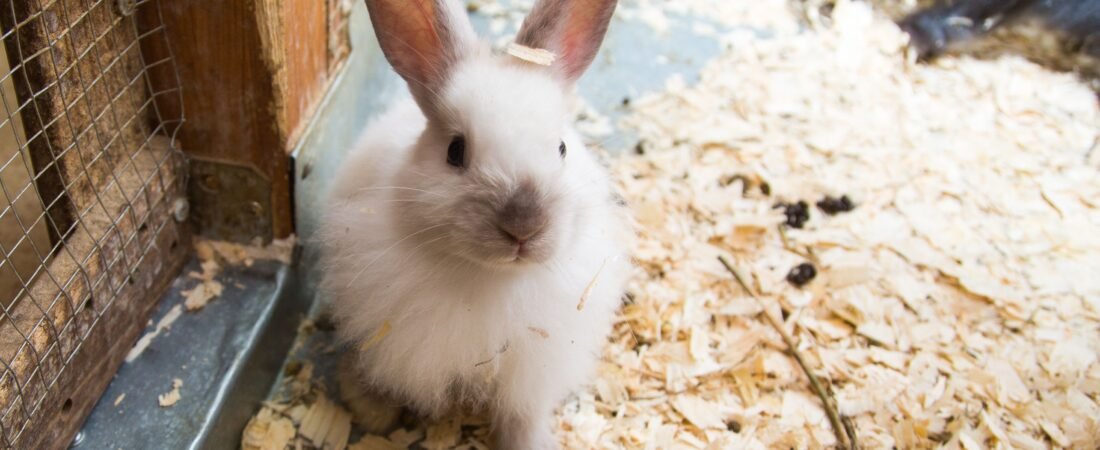
You look over at your rabbit and notice something unusual. Perhaps your bunny is making gagging movements, has liquid around its mouth, or appears to be bringing up food. Your first thought might be: Is my rabbit vomiting?
Rabbits cannot normally vomit. Their digestive anatomy prevents them from bringing stomach contents back up the way dogs and cats do. However, several medical problems can create symptoms that look like throwing up, and some require immediate veterinary attention.
If you are worried about rabbit vomiting, the most important question is not simply whether rabbits can throw up. It is what you actually saw and whether your rabbit is having difficulty breathing, swallowing, or eating.
A rabbit that appears to be choking, is struggling to breathe, or has a swollen, painful abdomen needs emergency veterinary care.
Senior rabbits deserve particular attention because dental disease, swallowing problems, and digestive illnesses can become harder to recognize when changes develop gradually.
If your rabbit has a wet chin or is producing excessive saliva, our guide to rabbit drooling and possible causes covers additional warning signs. If your rabbit is grinding its teeth while sitting hunched or refusing food, our article on rabbit teeth grinding explains how to recognize possible discomfort.
Let’s examine seven situations that can resemble vomiting and what you should do if they happen.
Rabbit Vomiting: Can Rabbits Actually Throw Up?
Under normal circumstances, rabbits are physically unable to vomit. Unlike animals that can force stomach contents back through the esophagus and mouth, rabbits have a strong barrier at the entrance to the stomach.
The muscles around this opening resist the backward movement of food, making true vomiting extremely difficult. Instead, consider whether the rabbit may be choking, drooling, struggling to swallow, or experiencing another medical problem.
Vomiting vs. Regurgitation: What’s the Difference?
Vomiting and regurgitation are not the same.
Vomiting is the active expulsion of stomach contents.
Regurgitation is the backward movement of material from the esophagus, often without the abdominal contractions associated with vomiting.
Although true vomiting does not normally occur in rabbits, rare cases of regurgitation have been documented in veterinary literature.
These cases involved serious problems affecting the esophagus, not routine digestive upset.
What Looks Like Rabbit Vomiting?
| What you observe | Possible explanation | What to do |
|---|---|---|
| Gagging, frantic movements, or breathing difficulty | Choking or airway obstruction | Emergency veterinary care |
| Excessive saliva around the mouth | Dental disease or mouth pain | Prompt veterinary assessment |
| Chewed food falling from the mouth | Difficulty chewing or swallowing | Veterinary assessment |
| Liquid spilling from the mouth after drinking | Water dribbling or swallowing difficulty | Monitor the circumstances; seek care if repeated |
| Mucus or fluid around the nose and mouth | Nasal or respiratory disease | Prompt assessment; emergency if breathing is affected |
| Food or fluid apparently coming back up | Rare regurgitation or esophageal disease | Prompt veterinary care |
| Hunched posture, abdominal swelling, or repeated stretching | Gastrointestinal pain, stasis, or obstruction | Urgent or emergency veterinary care |
The appearance alone cannot reliably identify the cause.
If your rabbit is distressed, having difficulty breathing, or suddenly unable to eat, seek professional help immediately.
1. Choking Can Look Like Rabbit Vomiting
Choking is one of the most serious reasons a rabbit may appear to be gagging or trying to throw up. A rabbit can choke if food or another material obstructs the airway. During an episode, the rabbit may make unusual head and neck movements, become frantic, or produce saliva or mucus around the mouth and nose.
An owner unfamiliar with rabbit choking may mistake these movements for vomiting.
Warning Signs of Choking
Look for:
- Sudden distress during or immediately after eating.
- Frantic movements or an extended neck.
- Gagging or unusual mouth movements.
- Saliva or mucus around the mouth or nose.
- Noisy, labored, or open mouth breathing.
- Weakness or collapse.
Not every choking rabbit will show all these signs.
What Should You Do?
Suspected choking is an emergency. Contact an emergency veterinarian immediately.
Do not offer food, water, or medication. Do not insert your fingers deep into the mouth or attempt a blind sweep for food. Avoid shaking, swinging, or squeezing your rabbit without immediate guidance from a veterinary professional trained in rabbit emergencies. Improper handling can cause additional injuries.
Even if an episode appears to resolve, your rabbit should be examined because airway irritation or aspiration may cause complications.
2. Excessive Drooling From Dental Disease
Sometimes what looks like rabbit vomit is actually saliva. Rabbits with painful teeth or mouth problems may produce excessive saliva, leaving their chin, chest, or front paws unusually wet. Dental disease is especially relevant to senior rabbits because tooth problems may develop gradually and can affect eating habits before owners recognize them.
Signs of Dental Problems
Common warning signs include:
- Wet fur beneath the chin.
- Dropping food while chewing.
- Eating pellets but avoiding hay.
- Chewing more slowly than usual.
- Weight loss.
- Painful tooth grinding.
- Reduced appetite.
Dental disease is not the only possible cause of drooling. Mouth injuries, ulcers, or something lodged inside the mouth can also contribute.
The PDSA guide to drooling in rabbits explains why unexplained saliva should be assessed promptly by a veterinarian.
What Should You Do?
Contact a rabbit experienced veterinarian if you notice unusual drooling. Do not attempt to trim your rabbit’s teeth or force its mouth open.
If your rabbit cannot swallow, has breathing difficulty, or suddenly refuses all food, seek emergency care.
3. Chewed Food Falling Out of the Mouth
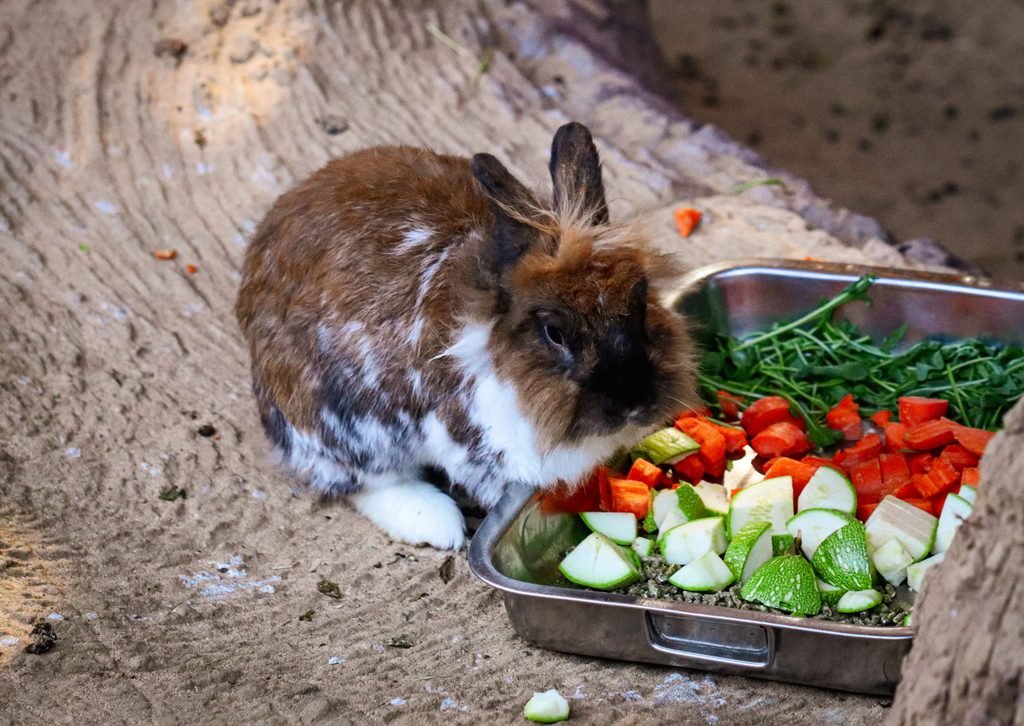
Have you ever noticed food dropping from your rabbit’s mouth while it chews?
This can sometimes look like food is being brought back up. However, the material may never have reached the stomach. Instead, your rabbit may be struggling to chew or move food around inside the mouth.
Possible Reasons
These include:
- Overgrown or uneven teeth.
- Painful molars.
- Mouth ulcers.
- Dental abscesses.
- Jaw discomfort.
- Problems involving the tongue or oral tissues.
A rabbit with dental pain may start choosing softer foods because chewing hay requires more effort.
What Makes This Different From Vomiting?
When a rabbit drop chewed food, it usually happens during feeding. You may see pieces of hay, pellets, or vegetables fall from the mouth without signs of true vomiting. This behavior should still be taken seriously.
What Should You Do?
Arrange a veterinary dental examination. If your rabbit is still eating some foods but avoiding hay, our guide to rabbits that stop eating hay but continue eating pellets explains why selective eating can be an important clue.
Do not assume that eating treats means your rabbit’s teeth are healthy.
4. Water or Saliva Dribbling After Drinking
Sometimes an owner notices clear liquid coming from a rabbit’s mouth shortly after drinking. This can create the impression that the rabbit is throwing up clear liquid. In some cases, the rabbit may simply have water around its mouth after using a bowl. However, repeated fluid dribbling can also indicate difficulty swallowing or another mouth or throat problem.
What to Observe
Check whether:
- The liquid appears only immediately after drinking.
- Your rabbit seems to swallow normally.
- The chin remains wet between drinking sessions.
- Water repeatedly spills from the mouth.
- Your rabbit coughs, gags, or appears distressed.
- Eating habits have changed.
An isolated drop of water on the chin is different from persistent dribbling or struggling to swallow.
What Should You Do?
If the wetness is brief and your rabbit is otherwise completely normal, observe closely. If fluid repeatedly escapes from the mouth, or your rabbit seems to have trouble swallowing, contact a veterinarian promptly.
If swallowing or breathing is impaired, seek emergency care and do not syringe water into the mouth.
5. Nasal Mucus or Respiratory Discharge
Fluid around a rabbit’s nose or mouth does not always come from the digestive system. Rabbits can develop respiratory infections and other conditions that cause nasal discharge. Sometimes the liquid spreads across the muzzle or front paws as the rabbit attempts to clean itself.
An owner might mistake this for vomiting, particularly if it appears suddenly.
Possible Signs of Respiratory Problems
Look for:
- Frequent sneezing.
- Wet or crusty fur around the nose.
- White or cloudy nasal discharge.
- Damp front paws.
- Noisy breathing.
- Reduced appetite.
- Unusual tiredness.
Why Fluid Color Is Not Enough
White or yellow material near the nose does not automatically mean stomach contents are coming out. It could be mucus, saliva, food residue, or another substance.
The color alone cannot establish a diagnosis.
What Should You Do?
Arrange veterinary care for persistent nasal discharge or repeated sneezing. If your rabbit is breathing through its mouth, has severe breathing difficulty, or appears to be struggling for air, seek emergency veterinary care immediately.
6. Rare Regurgitation From an Esophageal Problem
Although rabbits cannot normally vomit, an important medical distinction is that rare regurgitation can occur.
The esophagus is the tube that carries swallowed food and liquid toward the stomach. If the esophagus becomes abnormal, food or fluid may occasionally move backward before reaching the stomach.
This is not the same as normal vomiting.
What Could Cause Regurgitation?
Veterinarians may investigate conditions such as:
- Abnormal esophageal movement.
- Narrowing of the esophagus.
- An obstruction.
- Inflammation.
- Unusual enlargement or structural changes.
These conditions are uncommon in rabbits.
A published veterinary case report described a rabbit with months of regurgitation, weight loss, and reduced appetite. Further investigation identified a serious esophageal abnormality.
You can read the report, Esophageal Smooth Muscle Hypertrophy Causing Regurgitation in a Rabbit, for the clinical distinction.
What Might an Owner Notice?
Possible observations include:
- Food or fluid apparently returning after swallowing.
- Repeated swallowing difficulty.
- Wet fur around the mouth.
- Reduced food intake.
- Gradual weight loss.
These symptoms can have several explanations. Regurgitation cannot be confirmed at home from appearance alone.
What Should You Do?
Contact a rabbit experienced veterinarian promptly if food or liquid appears to come back out after swallowing.
Do not try to make your rabbit vomit. Avoid force feeding or giving water by syringe if swallowing appears abnormal, because material could enter the airway.
7. GI Stasis, Bloating, or Digestive Pain

Sometimes a rabbit looks as though it is trying to vomit because it is uncomfortable, stretching repeatedly, or making unusual body movements. However, gastrointestinal problems in rabbits do not usually produce vomiting.
Instead, you may notice changes in posture, appetite, activity, or droppings.
What Is GI Stasis?
Gastrointestinal stasis, often called GI stasis, occurs when normal movement through the digestive tract slows. Possible contributing factors include pain, stress, dehydration, inadequate fiber intake, dental disease, and other illnesses. A rabbit with GI stasis may become uncomfortable as gas accumulates.
A gastrointestinal obstruction is a different condition and can also cause severe pain and abdominal distention. Both require immediate veterinary evaluation.
Warning Signs of Digestive Trouble
Watch for:
- Refusing food or favorite treats.
- Producing fewer droppings or no droppings.
- Sitting hunched.
- Grinding teeth in pain.
- Repeatedly stretching or changing positions.
- An unusually swollen or tense abdomen.
- Becoming quiet, weak, or withdrawn.
The Merck Veterinary Manual’s rabbit digestive health guide explains that GI stasis and intestinal obstruction can become life threatening without appropriate treatment.
What Should You Do?
If your rabbit stops eating or producing droppings, seek veterinary care immediately. A severely swollen abdomen, intense pain, or sudden collapse requires emergency treatment.
Rabbit Vomiting Clear, White, Yellow, or Green Liquid: What Does It Mean?
Owners often search for answers based on the color of material they find near their rabbit’s mouth. However, since rabbits cannot normally vomit, it is important not to assume that a liquid came from the stomach.
What the Appearance Might Suggest
| Appearance | What it might be | Recommended action |
|---|---|---|
| Clear liquid | Water, saliva, or nasal fluid | Assess swallowing and breathing; seek care if repeated |
| White liquid or foam | Saliva, mucus, or other oral material | Prompt veterinary evaluation |
| Yellow fluid | Discolored saliva, nasal discharge, or another substance | Contact a veterinarian; don’t diagnose by color |
| Green material | Food residue or another substance | Veterinary evaluation if it appears to come back up |
| Food pieces | Dropped food or possible swallowing difficulty | Assess eating and arrange a dental examination |
The table provides possibilities, not a diagnosis.
What If My Rabbit Throws Up Yellow Liquid?
True vomiting is not a normal explanation. If you notice yellow liquid near your rabbit’s mouth or nose, look for breathing problems, abnormal swallowing, and changes in appetite. Contact a veterinarian rather than trying to identify the cause from the color alone.
What If My Rabbit Appears to Throw Up White Foam?
Foam or frothy material may involve saliva or respiratory secretions. If your rabbit is gagging, distressed, or struggling to breathe, treat the situation as an emergency.
What to Do if Your Rabbit Appears to Vomit
The safest response depends on what your rabbit is doing at that moment.
Step 1: Check Breathing First
Look for normal, quiet breathing. Open mouth breathing, severe respiratory effort, collapse, or suspected choking requires emergency veterinary care. Do not delay while attempting home treatments.
Step 2: Do Not Try to Make Your Rabbit Vomit
Rabbits cannot normally vomit, and attempting to induce vomiting is unsafe. Never give human vomiting remedies, salt, oils, or other products intended to make an animal throw up.
Step 3: Avoid Force Feeding if Swallowing Is Abnormal
If your rabbit appears to be choking, cannot swallow normally, or has a swollen abdomen, do not syringe food, water, or medication into its mouth unless specifically directed by a veterinarian.
Step 4: Observe What Happened
If your rabbit is stable, note:
- What your rabbit was doing before the episode.
- Whether it happened while eating or drinking.
- What the material looked like.
- Whether breathing was affected.
- Whether your rabbit has eaten since the episode.
- Whether normal droppings are being produced.
A short video may help your veterinarian, but never delay emergency care to record one.
Step 5: Contact a Rabbit Experienced Veterinarian
Explain that your rabbit appeared to vomit and describe the actual symptoms you observed. The veterinarian may ask about choking, drooling, nasal discharge, swallowing, appetite, and digestive changes.
When Is Apparent Rabbit Vomiting an Emergency?
Some warning signs require immediate attention, even if the episode lasts only a short time.
| Symptom | How urgently to act |
|---|---|
| Brief water on the chin after drinking, otherwise normal | Observe for recurrence |
| Repeated drooling or food falling from the mouth | Prompt veterinary assessment |
| Fluid or food apparently returning after swallowing | Prompt veterinary assessment |
| Persistent nasal discharge | Prompt veterinary assessment |
| Difficulty swallowing or suspected choking | Emergency veterinary care |
| Open mouth or severely labored breathing | Emergency veterinary care |
| Swollen, painful abdomen | Emergency veterinary care |
| Stopped eating or producing droppings | Immediate veterinary care |
| Collapse or severe weakness | Emergency veterinary care |
Rabbits are skilled at hiding illness.
A rabbit may appear relatively normal between episodes, but that does not mean a serious condition has been ruled out.
Why Apparent Vomiting Deserves Extra Attention in Senior Rabbits
Older rabbits may develop health changes that affect eating, swallowing, movement, or digestion. Not every senior rabbit will experience these problems, but owners should pay attention to subtle changes from their rabbit’s normal routine.
Dental Disease May Be Hard to Notice
A senior rabbit may continue eating pellets while avoiding hay because chewing has become uncomfortable. Food dropping from the mouth or excessive saliva may be mistaken for vomiting.
Weight Loss Can Develop Gradually
Changes in body weight may accompany dental disease, reduced appetite, or other illnesses. Regular monitoring helps owners notice changes that might otherwise be overlooked.
Mobility Problems Can Hide Digestive Discomfort
A rabbit with arthritis may already move slowly or spend more time resting. That makes it especially important to distinguish its usual behavior from new signs of pain, such as sudden hunching, refusing food, or repeated position changes.
Maintain a Comfortable Eating Area
For older rabbits:
- Keep hay and water easy to reach.
- Provide stable bowls.
- Avoid slippery surfaces around feeding areas.
- Monitor food intake daily.
- Check droppings for changes.
- Arrange veterinary dental and general health examinations as recommended.
These measures can support comfort, but they cannot replace assessment when a rabbit develops abnormal swallowing, drooling, or digestive symptoms.
Frequently Asked Questions About Rabbit Vomiting

Can Rabbits Vomit?
Rabbits cannot normally vomit because of their digestive anatomy. However, choking, drooling, swallowing difficulties, respiratory discharge, and rare regurgitation can create symptoms that resemble vomiting.
Why Is My Rabbit Vomiting but Acting Normal?
If your rabbit appears to vomit but continues behaving normally, what you saw may have been water dribbling, saliva, dropped food, or another symptom. However, normal behavior does not rule out illness. Repeated episodes or material apparently returning after swallowing should be assessed by a veterinarian.
Can a Bunny Throw Up Food?
Rabbits cannot normally vomit food from the stomach. They may drop chewed food because of dental disease or, in rare cases, regurgitate material because of an esophageal disorder.
Why Is My Rabbit Throwing Up Clear Liquid?
Clear liquid around the mouth may be water, saliva, or another fluid rather than vomit. Repeated dribbling, swallowing difficulty, or breathing changes require veterinary attention.
What Does Rabbit Vomit Look Like?
There is no normal appearance of rabbit vomit because rabbits do not normally vomit. Material around the mouth may be saliva, mucus, spilled water, or food. The surrounding symptoms are more useful than appearance alone.
Can Rabbits Vomit Hairballs?
No. Rabbits cannot bring up hairballs by vomiting.
They naturally swallow some fur while grooming, and this usually passes through the digestive tract. A true gastrointestinal blockage can become dangerous and requires veterinary care.
Why Is My Rabbit Gagging After Eating?
Possible explanations include choking, irritation, or difficulty swallowing. If your rabbit is gagging with breathing difficulty, distress, or excessive saliva, seek emergency veterinary care.
Can GI Stasis Make a Rabbit Vomit?
No. GI stasis does not normally cause vomiting. It can cause loss of appetite, reduced droppings, abdominal discomfort, and bloating. These signs require urgent veterinary assessment.
Should I Give My Rabbit a Home Remedy for Vomiting?
No. Do not attempt to induce vomiting or give human medicines. If your rabbit seems to be throwing up, identify whether breathing or swallowing is affected and contact a rabbit experienced veterinarian.
Can Senior Rabbits Develop Swallowing Problems?
Yes. Older rabbits can develop dental and other medical conditions that affect chewing or swallowing. Repeated drooling, food falling from the mouth, or difficulty eating should be evaluated by a veterinarian.
Final Thoughts
Rabbit vomiting is not a normal biological process. When a bunny appears to throw up, the explanation may involve choking, drooling, dental disease, swallowing difficulty, respiratory discharge, rare regurgitation, or digestive discomfort.
The most important step is to observe what actually happened rather than assuming your rabbit has an ordinary upset stomach. For senior rabbits, pay particular attention to changes in eating, weight, swallowing, droppings, and behavior.
If your rabbit is struggling to breathe, appears to be choking, has a severely swollen abdomen, or stops eating, seek emergency veterinary care.