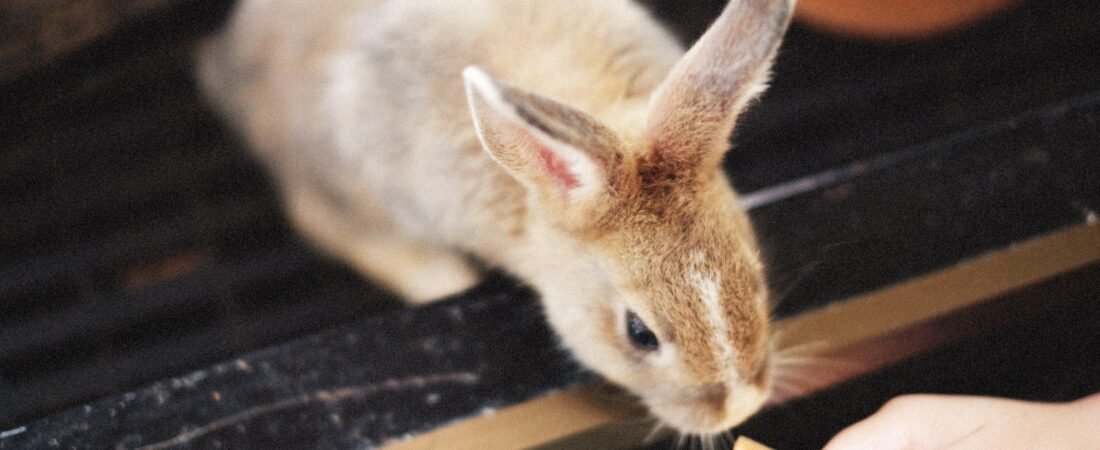
If your rabbit is losing weight but still eating, possible causes include dental disease, insufficient food intake, digestive problems, or an underlying illness. Even when a rabbit seems hungry, unexplained weight loss needs a prompt examination by a rabbit veterinarian.
What should you do first? Check whether your rabbit is actually eating its normal amount of hay, monitor droppings, and record its weight. If your rabbit is eating less, becoming weak, or producing fewer droppings, seek urgent veterinary advice.
A common warning sign is a rabbit that still eats pellets but avoids hay. If you’ve noticed this, read our guide, Rabbit Not Eating Hay but Eating Pellets? 7 Important Reasons, which explains why dental discomfort and feeding habits can cause this behavior.
Below are seven possible reasons for weight loss, along with practical steps to help you identify what needs attention.
Rabbit Losing Weight but Still Eating? What to Check First
Before investigating individual causes, look for these important changes.
| What you notice | Possible concern | Recommended action |
|---|---|---|
| Eats pellets but avoids hay | Dental pain or difficulty chewing | Arrange a dental examination |
| Losing weight despite a good appetite | Inadequate intake or underlying disease | Book a prompt veterinary appointment |
| Smaller or fewer droppings | Reduced food intake or digestive illness | Seek urgent veterinary advice |
| Drinking or urinating more | Possible underlying medical condition | Tell your veterinarian |
| Older rabbit with prominent hips | Muscle loss, pain, or illness | Request a body and muscle-condition assessment |
| Stops eating or producing droppings | Possible gastrointestinal emergency | Seek emergency veterinary care |
Important: Do not try to solve unexplained weight loss simply by increasing pellets or treats. The underlying cause needs to be identified.
7 Reasons Your Rabbit May Be Losing Weight Despite Eating
1. Dental Problems Are Making Eating Difficult
Dental disease is an important cause to investigate when a rabbit loses weight while continuing to show interest in food. Rabbit teeth grow continuously. Uneven tooth wear, sharp points, or other dental problems can make chewing uncomfortable. A rabbit with painful teeth may still approach its food bowl and eat pellets while avoiding tougher hay.
Common warning signs include:
- Eating pellets but refusing hay
- Dropping food while chewing
- Taking longer to finish meals
- Drooling or a wet chin
- Smaller droppings
- Gradual weight loss
However, dental problems aren’t always obvious. A rabbit may have painful cheek teeth even when the front teeth look normal.
What to do: Arrange a rabbit-savvy veterinary dental examination. Your veterinarian may recommend a more detailed oral examination or dental imaging.
Never attempt to trim your rabbit’s teeth yourself.
2. Your Rabbit Is Eating Less Than You Think
A rabbit can appear to eat normally while consuming less food than it needs. For example, you may see your rabbit eating pellets every morning but not notice that its hay intake has gradually decreased. This is particularly easy to overlook when two rabbits share a feeding area. One rabbit may eat most of the available food while the other receives less than expected.
Check these three things:
- How much hay is actually being eaten?
- Is your rabbit finishing its normal pellet portion?
- Are other rabbits preventing access to food?
Don’t assume an empty hay rack means your rabbit has eaten everything. Hay may have been pulled onto the floor, scattered, or soiled.
What to do: Monitor each rabbit’s intake as accurately as possible. Keep fresh hay and water accessible and tell your veterinarian about any changes.
If your rabbit has difficulty reaching food because of mobility problems, our article Senior Rabbit With Weak Hind Legs? 7 Ways to Make Home Life Easier explains how to make feeding areas more comfortable.
3. Kidney or Other Internal Disease
Some medical conditions can cause weight loss before obvious changes in appetite appear. Kidney disease, liver problems, chronic inflammation, and other internal illnesses may affect a rabbit’s weight and overall condition. A rabbit might continue eating but gradually become thinner.
Other signs to watch for include:
- Drinking more than usual
- Changes in urination
- Reduced energy
- Poor coat condition
- Changes in droppings
- Gradual loss of muscle or body condition
These symptoms can have several causes and cannot confirm a diagnosis at home.
What to do: Arrange a veterinary examination. Depending on the findings, your veterinarian may recommend blood tests, urine testing, or imaging.
Keep notes about your rabbit’s drinking, urination, and behavior to help explain what has changed.
4. Digestive Problems Are Affecting Nutrition
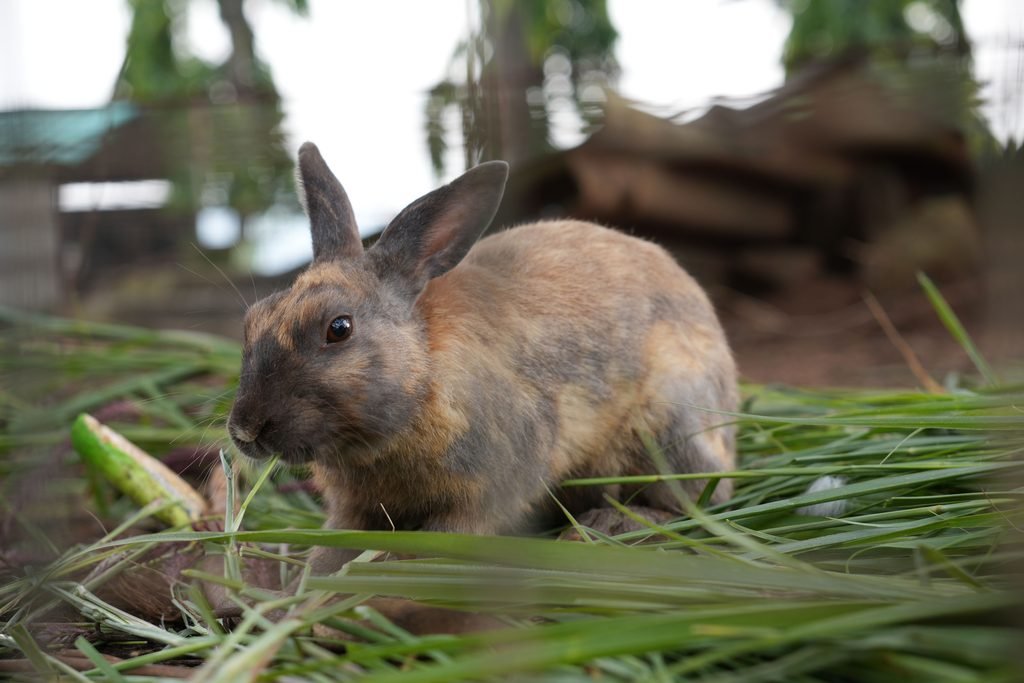
Rabbits rely on a specialized digestive system that needs a steady supply of appropriate fiber. Digestive illness, changes in gut function, and some infections or parasites can contribute to poor body condition.
A rabbit may continue eating while experiencing digestive problems that affect its health.
Possible signs include:
- Smaller or irregular droppings
- Soft or abnormal stool
- Reduced hay consumption
- Uneaten cecotropes
- Weight loss
- Changes in normal feeding habits
Cecotropes are nutrient-rich droppings that rabbits normally consume directly. Regularly finding uneaten cecotropes can indicate dental problems, diet issues, mobility difficulties, or other health concerns.
Our guide Senior Rabbit Not Eating Cecotropes? 7 Essential Fixes explains the possible reasons and practical next steps.
What to do: Tell your veterinarian about changes in droppings or cecotrope consumption. A fecal test may be appropriate in some cases.
If your rabbit’s appetite or droppings decrease significantly, seek urgent veterinary advice.
5. Your Senior Rabbit Is Losing Muscle
Older rabbits may develop reduced muscle condition, particularly around their hindquarters, hips, and spine.
However, significant weight loss should never be dismissed as normal aging.
Muscle loss may be associated with reduced activity, arthritis-related pain, chronic disease, or difficulty accessing food.
You might notice that your rabbit:
- Has more prominent hip bones
- Appears thinner around the hindquarters
- Moves more slowly
- Avoids jumping
- Spends more time resting
- Struggles to reach food or water
A thick coat can hide these changes, making regular weight checks particularly useful.
What to do: Ask your veterinarian to assess both body condition and muscle condition.
If mobility is contributing to feeding difficulties, try placing food and water near your rabbit’s preferred resting area.
Low-entry litter boxes, non-slip flooring, and comfortable resting spaces may also help older rabbits move around more easily.
6. Stress or Competition Is Reducing Food Intake
Rabbits can be sensitive to changes in their environment. Moving house, introducing another pet, changing feeding routines, or exposing a rabbit to frequent loud noises may affect how much it eats. Competition between rabbits can also make food intake difficult to judge.
One rabbit may appear to eat regularly but actually receive less hay or fewer pellets than its companion.
What to check:
- Can each rabbit reach food and water?
- Is one rabbit guarding the feeding area?
- Has the household routine changed?
- Is the enclosure quiet and comfortable?
- Are feeding stations accessible?
What to do: Provide sufficient feeding locations, reduce unnecessary stress, and monitor individual food intake. Avoid separating bonded rabbits unnecessarily, as separation can create additional stress.
Importantly, don’t assume stress explains weight loss without a veterinary assessment.
7. Another Underlying Health Problem
Sometimes a rabbit continues eating while losing weight because of an illness that isn’t immediately obvious. Chronic infections, painful conditions, dental abscesses, tumors, or other medical problems may contribute to weight loss. Rabbits are prey animals and can hide signs of illness, so changes in weight may become noticeable before more obvious symptoms appear.
Your veterinarian may recommend additional tests depending on your rabbit’s age, history, and examination findings.
These might include:
- A detailed dental assessment
- Blood and urine tests
- Fecal testing
- X-rays
- Ultrasound
Not every rabbit needs every test.
What to do: Keep an accurate record of weight changes and symptoms. Avoid starting medications or supplements without veterinary advice.
How to Tell Whether Your Rabbit Is Losing Weight
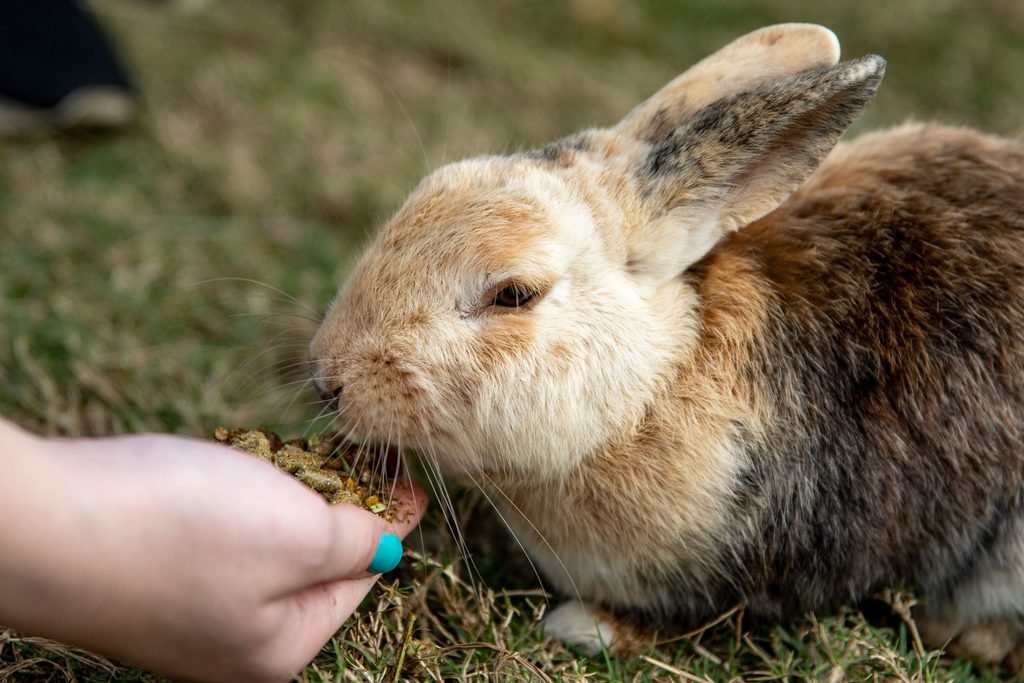
A rabbit’s fluffy coat can make changes in body condition difficult to see. Regular weighing is one of the most useful ways to detect a downward trend.
How to Weigh Your Rabbit Safely
- Use a suitable digital scale.
- Place a stable container or carrier on the scale.
- Reset the scale to zero if possible.
- Gently place your rabbit inside, supporting its body.
- Record the weight in grams.
- Return your rabbit to a secure surface.
Never leave a rabbit unattended on an elevated scale. Try to weigh your rabbit under similar conditions each time, such as at the same time of day.
If your rabbit is already losing weight, ask your veterinarian how often to monitor it.
Simple Rabbit Weight-Tracking Chart
| Date | Weight | Eating habits | Droppings |
|---|---|---|---|
| Monday | 2,100 g | Normal | Normal |
| Thursday | 2,060 g | Less hay | Slightly smaller |
| Sunday | 2,020 g | Mostly pellets | Fewer droppings |
Example only. These are fictional measurements.
You can also calculate the percentage of weight lost:
Weight loss (%) = (Starting weight − Current weight) ÷ Starting weight × 100
For example:
A rabbit dropping from 2,100 g to 2,020 g has lost approximately 3.8% of its starting weight.
This helps you describe the change to your veterinarian. It isn’t a threshold for deciding whether veterinary care is necessary.
Is My Rabbit Losing Fat or Muscle?
Both fat loss and muscle loss can make a rabbit appear thinner.
Older rabbits may show more noticeable muscle loss around the spine, hips, and hindquarters.
| What you notice | What it may indicate |
|---|---|
| Spine and hips becoming prominent | Loss of fat, muscle, or both |
| Hindquarters looking thinner | Possible muscle loss |
| Weight decreasing over several checks | Ongoing weight loss |
| Rabbit eating less hay | Possible dental or feeding problem |
| Difficulty moving or reaching food | Possible pain or mobility issue |
A veterinarian can assess your rabbit’s body condition and muscle condition more accurately.
Avoid comparing your rabbit’s weight with another rabbit of the same breed. Healthy body weight varies between individuals.
When Should You Worry About Rabbit Weight Loss?
Any unexplained weight loss deserves prompt veterinary attention.
Some symptoms require more urgent action.
| Symptoms | What to do |
|---|---|
| Gradual weight loss but still eating normally | Arrange a prompt veterinary appointment |
| Rapid weight loss or marked weakness | Seek urgent veterinary assessment |
| Eating less or producing fewer droppings | Contact a rabbit-savvy vet immediately |
| Stops eating or producing droppings | Seek emergency veterinary care |
| Bloated abdomen, collapse, or severe pain | Emergency veterinary care immediately |
Rabbits can develop gastrointestinal stasis, a potentially life-threatening condition involving reduced digestive movement.
Do not wait overnight if your rabbit stops eating or producing droppings.
Do not force-feed a severely unwell or bloated rabbit unless your veterinarian has instructed you to do so.
What Can You Safely Do at Home?
While arranging veterinary care, focus on keeping your rabbit comfortable and monitoring changes.
Keep Hay and Water Available
Offer fresh grass hay and clean water in accessible locations. For rabbits with mobility problems, place food near their resting area so they don’t have to travel far.
Monitor What Your Rabbit Actually Eats
Check hay consumption rather than assuming your rabbit is eating enough because it visits the pellet bowl. If multiple rabbits share an enclosure, observe their individual eating habits.
Avoid Sudden Diet Changes
Don’t suddenly increase pellets or introduce large amounts of fruit and treats to encourage weight gain.
A rabbit with an underlying medical problem may need a specific feeding plan.
Keep a Record for Your Veterinarian
Write down:
- Your rabbit’s current and previous weights
- Changes in hay or pellet intake
- Dropping size and frequency
- Drinking and urination changes
- Activity and mobility changes
- Any recent environmental changes
These details may help your veterinarian identify what needs investigating.
For additional veterinary background, VCA Animal Hospitals’ guidance on diseases in rabbits explains why weight loss and changes in eating habits deserve attention.
Frequently Asked Questions
Can a rabbit lose weight while eating normally?
Yes. Dental disease, inadequate actual food intake, digestive problems, muscle loss, and underlying illness are possible explanations. A rabbit-savvy veterinary examination is needed to investigate the cause.
Why is my old rabbit getting skinny?
Older rabbits may lose muscle because of reduced mobility, pain, or chronic illness. However, significant weight loss shouldn’t automatically be attributed to aging.
Why is my rabbit eating pellets but losing weight?
Your rabbit may be eating pellets while consuming too little hay or total food. Dental discomfort is one possible reason, but other medical conditions can also cause weight loss.
Should I give my underweight rabbit more pellets?
Not without veterinary advice. Some rabbits need additional nutritional support, but simply increasing pellets may not address the underlying cause and could disrupt the balance of their diet.
How often should I weigh my senior rabbit?
Regular weighing helps establish a baseline. Weekly checks may be useful for monitoring trends, but your veterinarian can recommend an appropriate schedule based on your rabbit’s condition.
Can arthritis contribute to weight loss?
Yes. Pain and reduced mobility can make eating or reaching food more difficult and may contribute to muscle loss. A veterinary examination can help identify whether arthritis or another problem is involved.
Final Thoughts
If your rabbit is losing weight but still eating, don’t assume everything is fine simply because it remains interested in food. Dental disease, inadequate food intake, digestive problems, muscle loss, and other illnesses can all contribute to weight loss.
Start by monitoring what your rabbit actually eats, checking droppings, and recording weight changes. Arrange a prompt examination with a rabbit-savvy veterinarian to identify the cause. The most important step is finding out why your rabbit is losing weight if it is not eating more.