
If your senior rabbit is not eating cecotropes, the problem may be caused by arthritis, stiff joints, dental pain, excess weight, or an unsuitable diet. Older rabbits sometimes struggle to bend around and reach these soft, nutrient-rich droppings, while others produce more cecotropes than they can consume. The best solution is to check their appetite and normal droppings, identify any mobility or diet problems, keep their bottom clean, and arrange a rabbit-savvy veterinary checkup. If your rabbit is eating less or producing fewer than normal droppings, seek veterinary help immediately. Finding soft, sticky droppings around your rabbit’s resting area can be worrying, especially if they have always kept themselves clean.
You may notice clusters of droppings in the litter box, on the floor, or stuck to the fur around your rabbit’s bottom. The important thing is to understand why the cecotropes are being left behind, rather than simply cleaning them up every day.
Why Is My Senior Rabbit Not Eating Cecotropes?
Rabbits do produce two different kinds of droppings. The first type is the familiar round, dry fecal pellet you normally find in the litter box. The second type is called a cecotrope. Cecotropes are softer, darker, and often appear as small clusters resembling a bunch of grapes. Rabbits normally collect these directly from their bottom and eat them. This is a natural part of digestion that allows them to obtain important nutrients.
As rabbits usually consume cecotropes immediately, owners rarely see them.
When a senior rabbit starts leaving them behind, there are generally two possibilities:
- The rabbit cannot comfortably reach them due to stiffness, arthritis, pain, excess weight, or poor balance that make bending difficult.
- The rabbit is producing excess or abnormal cecotropes which could be due to diet, digestive disturbances, or other health problems.
At times both problems occur together. The following steps will help you recognize the difference and decide what to do.
1. Check Whether Your Rabbit Can Still Reach Their Bottom
One common reason older rabbits leave cecotropes behind is reduced flexibility. To eat a cecotrope, a rabbit normally bends its body and reaches underneath toward its rear end. This movement can become difficult if the rabbit has painful joints, a stiff back, or weakness in its hind legs.
You may notice your rabbit:
- Attempts to bend around but gives up.
- Has difficulty grooming its back legs.
- Moves stiffly after resting.
- Struggles to turn around in a small space.
- Loses balance when trying to reach underneath.
- Leaves cecotropes in the same spot where it was resting.
These signs may indicate a mobility problem, but they do not confirm arthritis.
What you can do:
- Observe your rabbit quietly during normal grooming. Do not force them to bend or twist.
- If they appear stiff, uncomfortable, or unable to reach their bottom, arrange a veterinary assessment.
- Your veterinarian can check for arthritis, injury, and other conditions that affect movement
If your rabbit also has difficulty using its back legs, read our guide Senior Rabbit With Weak Hind Legs? 7 Ways to Make Home Life Easier for practical home adjustments.
2. Make Slippery Flooring Easier to Navigate
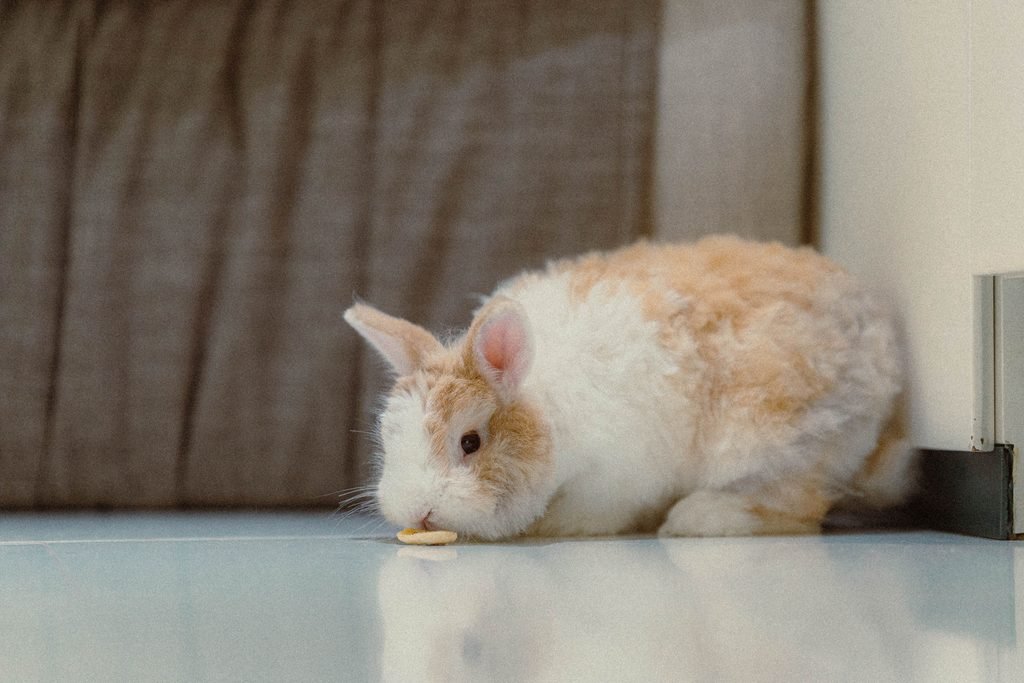
A rabbit with stiff joints may have even more trouble reaching its cecotropes when the floor is slippery. Tiles, laminate, and smooth plastic surfaces can make it difficult to maintain balance while turning or grooming. A rabbit that feels unsteady may avoid bending down, even when it is physically capable of doing so.
What you can do:
Start by improving the areas your rabbit uses most.
- Place stable, non-slip mats near resting spots.
- Avoid loose rugs that slide or bunch up.
- Keep pathways clear of unnecessary obstacles.
- Use soft but supportive surfaces that are easy to clean.
- Make sure food, water, and the litter box are easy to reach.
You do not need to redesign the entire enclosure. Focus first on the places where your rabbit spends the most time. For suitable flooring options, see Best Waterproof, Non-Slip Flooring for Senior Rabbits: Washable Mats and Rugs Compared. Having better traction will not cure arthritis, but it may make everyday movement and grooming more comfortable.
3. Review Their Hay, Pellets, and Treats
If you have a senior rabbit not eating cecotropes, the problem may involve diet rather than mobility. A rabbit can leave cecotropes behind when it produces more than it needs or when the droppings become unusually soft. Too many rich foods, excessive pellets, and insufficient hay may contribute to this problem. Hay is particularly important because rabbits depend on a high-fiber diet to maintain normal digestive function.
Before making changes, consider these questions:
- Does your rabbit have constant access to suitable grass hay?
- Is it eating less hay than before?
- Have you recently increased pellet portions?
- Are treats being offered more frequently?
- Have you introduced a new food?
- Has your rabbit gained or lost weight?
What you can do:
- Keep a simple food record for two or three days.
- Write down the types and approximate amounts of food your rabbit eats.
- If you suspect a dietary problem, discuss the record with a rabbit-experienced veterinarian before making major changes.
Senior rabbits sometimes have special nutritional needs, particularly when they are underweight or have dental problems. Do not suddenly reduce your rabbit’s food or remove pellets simply because you have found uneaten cecotropes.
4. Look for Dental Problems and Other Signs of Pain
Dental problems are another possible reason a senior rabbit may stop consuming cecotropes normally. Rabbit teeth grow continuously, and dental disease can cause discomfort that affects eating and grooming. An older rabbit may still eat some foods while struggling with others.
For example, it may continue eating pellets but become reluctant to chew hay.
Watch for:
- Dropping food while chewing.
- Taking longer to finish meals.
- Eating less hay.
- Drooling or a wet chin.
- Unexplained weight loss.
- Reduced grooming.
- Changes in behavior or activity.
Pain elsewhere in the body may also make bending and grooming uncomfortable.
What you can do
- Arrange a veterinary checkup if you notice changes in eating habits, grooming, or weight.
- Tell the veterinarian about the uneaten cecotropes, even if your rabbit still appears interested in food.
- Do not attempt to trim your rabbit’s teeth or give human pain medication.
If your rabbit stops eating or produces significantly fewer normal droppings, seek immediate veterinary care.
5. Keep Your Rabbit’s Bottom Clean and Dry
A senior rabbit not eating cecotropes may develop a dirty bottom because the soft droppings stick to the fur. This can become particularly troublesome when the rabbit has difficulty grooming itself. Over time, trapped droppings may cause irritation, dampness, and matted fur.
A dirty bottom also increases the risk of flystrike. Flystrike occurs when flies lay eggs on a rabbit, and the developing maggots damage the skin. It is a medical emergency. The veterinary charity PDSA explains why rabbits with dirty bottoms are especially vulnerable to flystrike.
What you can do
Check your rabbit’s bottom at least once daily, and more often if soiling is frequent or flies are active.
Look for:
- Sticky cecotropes attached to the fur.
- Damp or matted hair.
- Redness or sore skin.
- An unpleasant smell.
- Fly eggs, maggots, or wounds.
Remove dirty bedding promptly and keep the resting area dry.
If droppings are firmly stuck to the fur, ask your veterinarian for advice on safe cleaning. Rabbit skin is delicate, and pulling at matted fur can cause injury. Avoid routine full-body baths.
For more ways to maintain a hygienic environment, read How to Keep a Senior Rabbit’s Litter Area Clean and Dry: 7 Easy Tips.
Important: If you see maggots or suspect flystrike, seek emergency veterinary care immediately.
6. Monitor Their Weight, Appetite, and Droppings

One of the most useful things you can do is keep track of changes over time. A rabbit that occasionally leaves cecotropes behind but continues eating normally is different from one that is losing weight, eating less, or producing fewer ordinary droppings. Regular monitoring can help you recognize a problem before it becomes more serious.
What you can do:
Use a notebook or phone to record the following:
| What to check | What to watch for |
|---|---|
| Hay intake | Eating less than usual |
| Pellet intake | Sudden changes in appetite |
| Normal droppings | Fewer, smaller, or absent pellets |
| Cecotropes | Increasing amounts left uneaten |
| Body weight | Unexplained weight gain or loss |
| Movement | Stiffness, weakness, or poor balance |
| Grooming | Dirty bottom or difficulty reaching fur |
Try to observe your rabbit at roughly the same times each day. If you notice unusual droppings, take a photograph to show your veterinarian. If your rabbit lives with another rabbit, make sure you know which one is leaving the cecotropes.
Do not separate bonded rabbits for extended periods simply to monitor droppings. Instead, use brief observation or ask your veterinarian about a suitable monitoring method. Seek immediate veterinary care if your rabbit stops eating, produces few or no normal droppings, or appears unusually weak or uncomfortable.
7. Create a Long-Term Comfort Plan With Your Vet
When dealing with a senior rabbit not eating cecotropes, the best long-term solution depends on the underlying cause. If arthritis or another painful condition is responsible, veterinary treatment may improve the rabbit’s comfort and flexibility. If diet is contributing, a carefully planned nutritional adjustment may help. If dental disease is involved, appropriate treatment may improve normal eating and grooming behavior. Some older rabbits have ongoing mobility limitations and may need additional daily hygiene support.
What you can do:
Discuss these questions with your veterinarian:
- Could arthritis or another painful condition be involved?
- Does my rabbit need a dental examination?
- Is the current diet appropriate for its age and weight?
- How should I manage recurring bottom soiling?
- Which changes to the enclosure would help most?
- How often should I monitor weight and appetite?
Keep your rabbit’s daily routine as consistent and comfortable as possible. A stable environment, suitable flooring, easy access to essentials, and regular hygiene checks can make a meaningful difference. The goal is not to eliminate every visible cecotrope overnight.
It is to understand the problem and help your rabbit stay healthy and comfortable.
How to Tell Cecotropes From Diarrhea
Before deciding what to do, make sure the soft droppings you are finding are actually cecotropes.
They are different from ordinary fecal pellets and diarrhea.
| Type | Appearance |
|---|---|
| Normal fecal pellets | Round, relatively dry, and separate |
| Cecotropes | Soft, dark, moist clusters that resemble tiny grapes |
| Diarrhea | Abnormally loose or watery stool |
Cecotropes can become squashed after a rabbit step on them, making them look like a sticky smear. However, watery diarrhea should never be dismissed as normal cecotropes.
If you are unsure what you are seeing, contact a rabbit-experienced veterinarian and provide a photograph or sample.
When Should You Worry About Uneaten Cecotropes?
Occasionally finding a cecotrope does not always mean something serious is wrong. However, regularly finding large amounts of uneaten cecotropes deserves veterinary attention, particularly in an older rabbit.
Seek immediate veterinary help if your rabbit:
- Stops eating or eats noticeably less.
- Produces very few or no normal droppings.
- Develops watery diarrhea.
- Appears bloated, hunched, or in significant pain.
- Suddenly struggles to stand or move.
- Becomes unusually quiet or weak.
- Has fly eggs, maggots, or signs of flystrike.
Rabbits can deteriorate quickly when they stop eating. Do not wait overnight to see whether a rabbit with reduced appetite or significantly fewer droppings improves.
Frequently Asked Questions
Is it normal for senior rabbits to stop eating cecotropes?
No. Older rabbits may develop stiffness or health conditions that make eating cecotropes difficult, but regularly leaving them behind should not automatically be considered normal aging.
Can arthritis stop a rabbit from eating cecotropes?
Yes. Arthritis may make bending and reaching the bottom uncomfortable. A rabbit can continue producing normal cecotropes while struggling to consume them. A veterinarian can assess whether arthritis or another condition is responsible.
Why is my older rabbit leaving soft poop everywhere?
The soft droppings may be uneaten cecotropes. Possible causes include reduced mobility, excess weight, dietary imbalance, dental disease, or digestive problems. If the droppings are watery, seek prompt veterinary advice.
Should I feed uneaten cecotropes back to my rabbit?
Do not force your rabbit to eat discarded cecotropes. Ask your veterinarian whether any assisted approach is appropriate. Identifying and treating the underlying problem is more important.
Can a senior rabbit start eating cecotropes normally again?
Sometimes. If the cause is treatable, addressing pain, dental problems, or diet may improve normal cecotrope consumption. Rabbits with permanent mobility limitations may need ongoing monitoring and hygiene support.
Final Thoughts
A senior rabbit not eating cecotropes may be dealing with stiff joints, reduced mobility, dental discomfort, excess weight, or a diet-related problem.
Start by checking your rabbit’s appetite and normal droppings. Then look for signs of pain or difficulty bending, improve floor traction, keep the bottom clean, and arrange veterinary advice.
The most important step is to address why the cecotropes are being left behind—not simply clean them up. With the right care, a comfortable living environment, and regular monitoring, you can help your senior rabbit stay cleaner, safer, and more comfortable as they age.