
Rabbit Matted Fur? 7 Causes and How to Help Safely
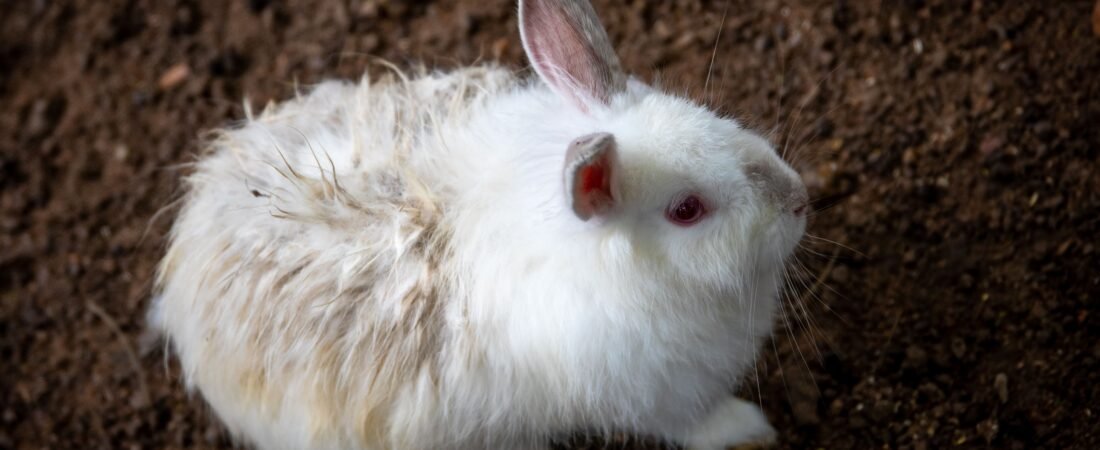
Have you noticed tangled patches of fur on your rabbit’s back, behind its ears, or around its bottom? A small knot might seem harmless, but matted fur can become uncomfortable when it pulls against the skin or traps moisture and dirt.
Rabbit matted fur develops when loose hair becomes tangled and forms knots that the rabbit cannot easily remove through normal grooming. Common causes include heavy shedding, long coats, reduced grooming, arthritis, dental pain, and damp fur.
A small, loose tangle may sometimes be separated gently with your fingers. However, tight mats, especially those close to the skin, should be assessed by a rabbit experienced veterinarian or qualified groomer. Trying to cut them out at home can seriously injure a rabbit’s delicate skin.
Senior rabbits need particular attention because arthritis, reduced mobility, and other health problems may make grooming difficult. If your rabbit is also developing bald patches or unusual hair loss, read our guide to seven possible causes of rabbit fur loss.
Let’s look at why fur becomes matted, when to be concerned, and how to help your rabbit safely.
Is Matted Fur Dangerous for Rabbits?
Matted fur can cause problems when knots become tight, dirty, or difficult to remove. A dense mat may pull against the skin when your rabbit moves. It can also hide redness, wounds, or irritation underneath. Matting around the bottom is especially concerning because trapped urine or droppings can damage the skin and attract flies.
Minor Tangles vs. Severe Matted Fur
| What to check | Minor tangle | Concerning matting |
|---|---|---|
| Appearance | Small, loose knot | Dense, tightly packed fur |
| Skin | Healthy and easy to inspect | Hidden, irritated, or sore |
| Rabbit’s behavior | Comfortable and relaxed | Flinching, resisting touch, or showing pain |
| Movement | No restriction | Fur pulls when the rabbit moves |
| Cleanliness | Dry and clean | Damp, dirty, or soiled |
| Next step | Gentle finger separation may be possible | Professional grooming or veterinary assessment |
Never force a knot apart. If the fur resists, the skin moves with the knot, or your rabbit becomes uncomfortable, stop.
Why Senior Rabbits Are More Vulnerable
Older rabbits may struggle to reach their backs, hind legs, and bottoms when grooming. Arthritis or reduced flexibility can allow loose fur and debris to accumulate in areas that were previously easy to clean. If your rabbit also has difficulty moving, our article on helping senior rabbits with weak hind legs offers practical ways to make daily activities more comfortable.
1. Heavy Shedding Can Cause Fur to Become Tangled
Rabbits naturally shed their coats, sometimes releasing surprisingly large amounts of loose hair. During a heavy molt, some of that hair may remain trapped in the coat instead of falling away. Over time, it can become tangled with the surrounding fur.
You might notice:
- Loose tufts along the back and sides.
- Small knots beneath the outer coat.
- More fur collecting on bedding.
- Areas where shorter, new fur is growing.
- Increased loose hair during brushing.
Shedding itself is normal, but knots should not be allowed to tighten against the skin.
How to Help
Gently remove loose fur during regular grooming sessions. For rabbits that dislike brushing, several short sessions may be more comfortable than one long session. Use a grooming tool appropriate for your rabbit’s coat and avoid pulling at tangled hair.
If your rabbit has developed persistent bald patches or irritated skin, arrange veterinary advice rather than assuming shedding is the only cause.
2. Long or Thick Coats Need More Grooming
Long coated rabbits are especially prone to matting because loose hair can become trapped within dense fur. Breeds such as Lionheads, Angoras, and Jersey Woolies may need daily grooming to prevent knots from forming.
Why Does Lionhead Rabbit Fur Become Matted?
Lionhead rabbits have longer hair around the head and neck. This mane can develop tangles where the fur rubs together or becomes caught during normal movement.
Common problem areas include:
- Behind the ears.
- Around the mane.
- Beneath the chin.
- Along the sides.
- Near the tail.
A rabbit’s outer coat may look smooth even when tangles are developing underneath.
How to Help
Part the coat gently while grooming so you can check beneath the surface. Choose tools suited to the coat length and introduce grooming gradually if your rabbit is nervous. According to the Blue Cross guide to grooming rabbits, rabbits with short coats generally need brushing at least weekly, while long coated rabbits need daily grooming.
The guide also notes that older rabbits and those with arthritis or dental problems may require additional assistance.
3. Reduced Grooming Allows Mats to Develop
Rabbits naturally spend considerable time keeping themselves clean. When a rabbit starts grooming less frequently, loose fur can accumulate and form tangles. Sometimes the problem develops gradually. The rabbit may still clean its face and front paws but struggle to reach the back or hindquarters.
Why Might a Rabbit Stop Grooming Properly?
Possible explanations include:
- Pain or stiffness.
- Reduced mobility.
- Dental discomfort.
- Excess body weight.
- Illness or weakness.
- Difficulty reaching certain areas.
A messy coat may be one of the first changes an owner notices.
What Should You Do?
Look for other signs that something has changed. Is your rabbit moving normally? Does it still eat hay comfortably? Can it reach its bottom to groom? If grooming has noticeably declined, arrange a veterinary examination. Brushing can help with the coat, but it will not address an underlying health problem.
4. Arthritis Can Make Grooming Painful for Senior Rabbits
Arthritis is an important consideration when an older rabbit begins developing matted fur. Rabbits normally bend and twist to reach different parts of their bodies. Painful joints can make those movements difficult. An older rabbit may stop grooming its lower back or hindquarters because stretching has become uncomfortable.
Signs Arthritis May Be Affecting Grooming
Watch for:
- Tangled fur near the bottom or hind legs.
- Stiffness after resting.
- Reluctance to hop or explore.
- Difficulty entering the litter box.
- Reduced grooming.
- Spending more time in one position.
These signs can develop gradually, so it helps to compare your rabbit’s current behavior with its usual routine.
How to Make Daily Life Easier
Simple environmental changes may improve comfort:
- Provide supportive, nonslip flooring.
- Use a litter box with a low entrance.
- Keep hay and water easily accessible.
- Offer dry, comfortable resting places.
- Help with gentle grooming when tolerated.
A veterinarian can determine whether arthritis or another painful condition is responsible and recommend treatment. Do not dismiss reduced grooming as normal aging. A senior rabbit that suddenly develops coat problems may be experiencing discomfort that needs attention.
5. Dental Problems Can Interfere With Grooming
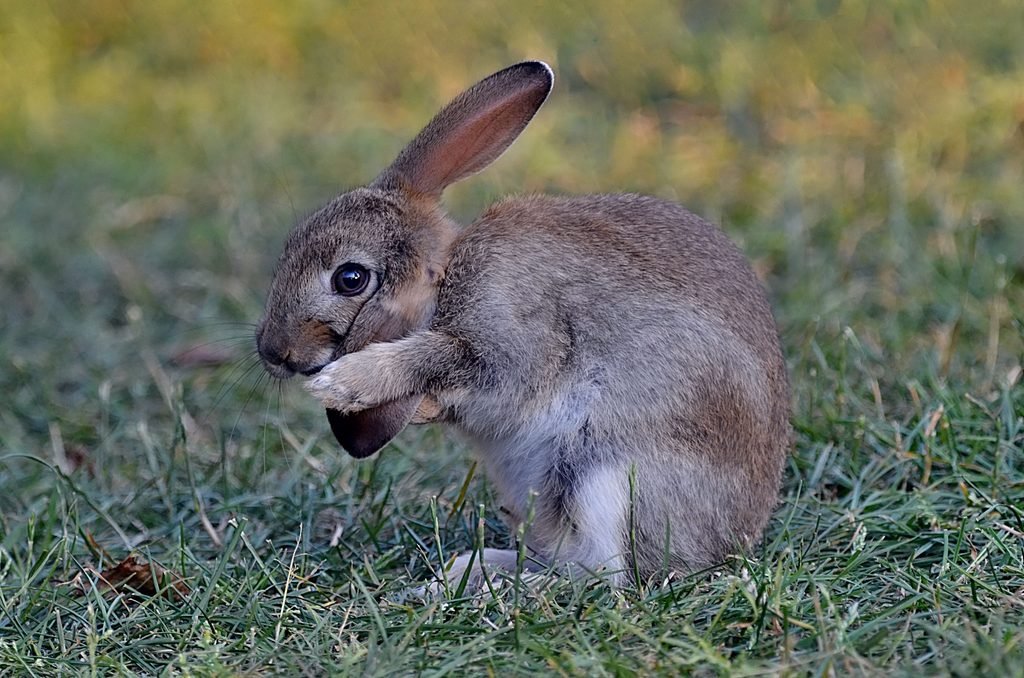
Rabbits use their mouths to clean and maintain their coats. If moving the mouth becomes painful, grooming may decrease. Dental disease can affect rabbits at any age, including older rabbits that previously had healthy teeth.
Warning Signs of Dental Discomfort
Possible signs include:
- Eating less hay.
- Dropping food while chewing.
- Taking longer to finish meals.
- Drooling or having a wet chin.
- Gradual weight loss.
- Reduced grooming.
- Changes in activity or behavior.
A rabbit may continue eating pellets or softer foods even when chewing hay has become uncomfortable. If this sounds familiar, our guide to rabbits not eating hay but still eating pellets explains several possible causes.
What Should You Do?
Arrange a dental examination with a rabbit experienced veterinarian. Problems affecting the back teeth may not be visible without a proper examination. If dental pain is responsible for reduced grooming, treating the dental condition is essential to improving your rabbit’s comfort and coat care.
6. Damp Fur and Dirty Hindquarters Can Cause Matting
Moisture can make rabbit fur clump together. When urine, soft droppings, or damp bedding repeatedly come into contact with the coat, loose hair may form sticky or tightly packed mats. This is particularly concerning around the bottom and tail.
Why Is the Fur on My Rabbit’s Bottom Matted?
Possible causes include:
- Difficulty grooming the hindquarters.
- Arthritis or limited mobility.
- Uneaten cecotropes.
- Urinary problems.
- Excess body weight.
- Damp or dirty bedding.
Cecotropes are soft, nutrient rich droppings that rabbits normally eat directly from the anus. If a rabbit cannot reach them comfortably, they may stick to the surrounding fur.
Persistent dampness can also cause urine scald, leaving the skin sore and irritated.
Why Dirty Fur Can Become Dangerous
Soiled fur around the hindquarters can attract flies, increasing the risk of flystrike. Flystrike occurs when flies lay eggs that hatch into maggots, which can cause severe tissue damage. The PDSA guide to flystrike in rabbits explains that dirty bottoms, wounds, and difficulty grooming increase a rabbit’s risk.
Finding maggots or suspecting flystrike is a veterinary emergency. Do not attempt to treat the condition at home.
How to Reduce the Risk
Check your rabbit’s bottom daily, particularly during warm weather. Keep bedding dry, remove soiled litter promptly, and investigate any repeated urine staining or dirty fur. If your senior rabbit struggles to keep its litter area clean, see our guide to keeping a senior rabbit’s litter area clean and dry.
Persistently dirty hindquarters require veterinary assessment because an underlying health problem may be responsible.
7. Obesity, Skin Problems, or Illness May Contribute to Matting
Not all matting is caused by coat length or seasonal shedding. An overweight rabbit may struggle to bend far enough to clean its bottom. Skin irritation or painful wounds can also cause a rabbit to avoid grooming particular areas.
General illness may reduce normal grooming activity.
Warning Signs to Watch For
Look for:
- Sudden changes in grooming habits.
- Persistent scratching.
- Flaky or red skin.
- Unusual odors.
- Repeatedly damp fur.
- Reduced appetite.
- Unexplained weight changes.
- Reluctance to move.
A rabbit with severely matted fur may need more than grooming assistance. A veterinarian can examine the skin, assess mobility, check dental health, and investigate other symptoms. Removing the knots is only one part of the solution. Understanding why they formed helps prevent the problem from returning.
Where Does Rabbit Fur Become Matted?
The location of a mat can offer clues about what is causing it.
| Location | Possible contributing factors | What to check |
|---|---|---|
| Back | Shedding, dense fur, reduced grooming | Loose hair, flakes, skin irritation |
| Behind the ears | Long coats, friction, missed grooming | Tight knots near delicate skin |
| Under the chin | Long fur, drooling, moisture | Wetness, dental discomfort |
| Bottom and tail | Urine, soft droppings, limited mobility | Soiling, redness, flies |
| Hind legs | Arthritis, dampness, poor grooming | Skin irritation, difficulty moving |
| Feet | Debris, friction, dampness | Redness, bald areas, sores |
What About Rabbit Matted Fur on Feet?
Be particularly careful with mats on your rabbit’s feet. Rabbits rely on the fur covering their feet for protection because they do not have paw pads like dogs or cats. Removing too much fur can leave the underlying skin vulnerable. If you notice matting alongside redness, soreness, or bald patches, contact your veterinarian.
How to Help a Rabbit With Matted Fur Safely
The safest approach depends on the size of the mat, how tightly it is attached, and whether the skin underneath is healthy.
Step 1: Check the Fur Without Pulling
Let your rabbit settle comfortably on a stable, nonslip surface. Look at the affected area and determine whether the tangle is loose or tightly packed. Avoid pulling the fur away from the skin.
Step 2: Inspect for Skin Problems
Check for:
- Redness or swelling.
- Scabs or wounds.
- Dampness or urine staining.
- An unpleasant odor.
- Signs of pain.
- Fly eggs or maggots.
Skin damage, significant soiling, or discomfort warrants veterinary advice.
Step 3: Separate Only Small, Loose Tangles
If a tangle is loose and away from the skin, you may be able to separate it gently with your fingers. Work slowly and stop immediately if the hair resists or your rabbit becomes uncomfortable. Do not repeatedly tug at a stubborn knot.
Step 4: Leave Tight Mats to a Professional
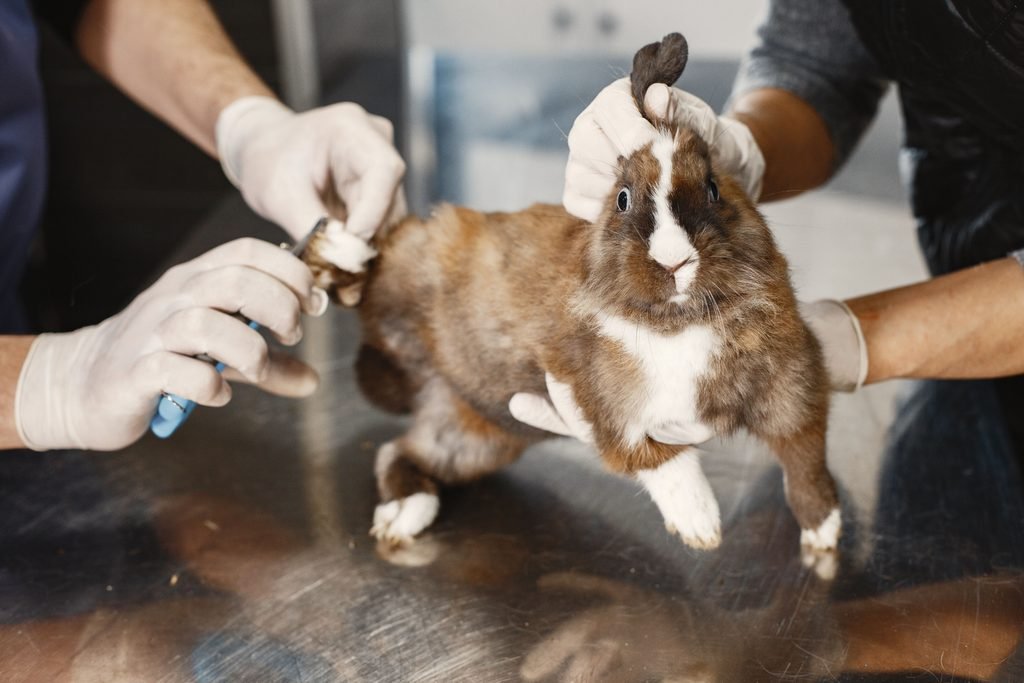
Never use household scissors to cut tight mats from your rabbit’s coat. Rabbit skin is extremely delicate, and a tight mat may pull the skin into the knot. It can be difficult to distinguish the skin from the tangled fur, increasing the risk of accidental cuts.
A veterinarian or experienced rabbit groomer can assess the safest way to remove the mat.
Step 5: Avoid Full Baths
Do not place your rabbit in a full bath to loosen tangled fur. Bathing can cause considerable stress, and wet fur may become harder to manage. If your rabbit is soiled, ask your veterinarian how to clean the affected area safely.
Step 6: Prevent the Problem From Returning
Once the matting has been addressed, adjust the grooming routine or environment based on its cause. That may mean brushing more frequently, keeping bedding drier, improving litter box access, or treating an underlying health condition.
Choosing Safe Grooming Tools
Not every grooming tool is suitable for every rabbit.
| Tool | Best use | Caution |
|---|---|---|
| Soft brush | Gentle grooming and loose surface hair | May not reach knots beneath a dense coat |
| Rabbit appropriate comb | Checking longer coats and loose undercoat | Avoid pulling or scraping the skin |
| Grooming mitt | Light grooming for sensitive rabbits | May not remove deeper tangles |
| Fingers | Separating small, loose knots | Stop if there is resistance |
| Scissors | Not recommended for home mat removal | Can cut delicate skin |
| Electric clippers | Professional removal of difficult mats | Can injure skin if used incorrectly |
For senior rabbits, keep sessions short and comfortable.
Many rabbits prefer grooming on the floor rather than being lifted. Never place a rabbit on its back or force it into an uncomfortable position to reach a mat.
When Should You Contact a Veterinarian?
Matted fur is not always an emergency, but some situations require prompt medical care.
Arrange a Veterinary Examination If:
- Mats are tight or close to the skin.
- Your rabbit appears painful during grooming.
- The skin is red, swollen, or irritated.
- Matting repeatedly returns.
- Your rabbit’s bottom remains damp or dirty.
- Your senior rabbit has become less mobile.
- You notice changes in appetite, weight, or grooming habits.
Seek Emergency Care If:
- You find maggots or suspect flystrike.
- Your rabbit has severe wounds or bleeding.
- Your rabbit stops eating or producing droppings.
- Your rabbit becomes extremely weak, collapses, or appears seriously unwell.
Do not delay emergency care while trying to remove the matted fur yourself.
A Simple Grooming Routine for Senior Rabbits
A manageable routine is often more effective than occasional long grooming sessions.
Daily Coat and Skin Checks
Check your rabbit’s bottom, tail, hind legs, and feet for dampness, tangles, or irritated skin. Pay extra attention to areas your rabbit can no longer reach easily.
Brush According to Coat Type
Short, coated rabbits generally benefit from grooming at least once a week, with extra attention during shedding. Long coated rabbits usually need daily grooming. Older rabbits with reduced mobility may also need more frequent help, even if their coats are short.
Keep Resting Areas Comfortable
Provide clean, dry bedding and supportive flooring. Make food, water, and litter boxes easy to reach.
Monitor Changes in Health
Watch for stiffness, difficulty grooming, reduced appetite, and weight changes. If your rabbit suddenly begins developing mats despite an established grooming routine, discuss the change with your veterinarian.
Frequently Asked Questions
Why Is My Rabbit’s Fur Matted?
Rabbit fur becomes matted when loose hair tangles together. Common causes include seasonal shedding, long coats, insufficient grooming, damp fur, arthritis, dental discomfort, and other health problems.
How Do I Remove Matted Fur From My Rabbit?
Small, loose tangles may sometimes be separated gently with your fingers. Tight mats should be assessed by a veterinarian or experienced rabbit groomer. Avoid scissors, forceful brushing, or pulling against the skin.
What Should I Do if My Rabbit Has Severely Matted Fur?
Arrange professional help. Severe mats can conceal skin injuries, cause pain, and trap moisture or debris. Attempting to cut them out yourself risks damaging your rabbit’s skin.
Why Is My Rabbit’s Fur Matted Around Its Bottom?
Matting around the bottom may be caused by urine, soft droppings, reduced grooming, or limited mobility. This is particularly common in rabbits that struggle to reach their hindquarters. Persistent soiling requires veterinary assessment.
Can Matted Fur Hurt a Rabbit?
Yes. Tight mats can pull against the skin, cause irritation, restrict comfortable movement, and hide wounds or infection.
How Often Should I Groom a Lionhead Rabbit?
Lionhead rabbits generally need daily grooming, particularly around the mane and other areas with longer fur. Grooming may need to be more frequent during heavy shedding.
Why Has My Senior Rabbit Stopped Grooming?
Arthritis, dental pain, obesity, reduced mobility, or illness may make grooming difficult. A noticeable decline in grooming habits should be discussed with a rabbit experienced veterinarian.
Will Matted Fur Go Away on Its Own?
Loose shedding hair may fall away naturally, but established mats generally need attention. Tight knots can become increasingly uncomfortable and should not be left untreated.
Final Thoughts
Rabbit matted fur is more than a cosmetic problem. Small tangles may appear during normal shedding, but persistent or tightly packed mats can cause discomfort and hide skin problems. Regular grooming, clean bedding, and careful observation can help prevent many cases.
For senior rabbits, focus on comfort and mobility as well as coat care. Arthritis, dental pain, or other health conditions may make grooming difficult, even when an older rabbit appears otherwise comfortable. Most importantly, avoid pulling or cutting tight mats yourself. If the fur is difficult to separate, the skin looks unhealthy, or your rabbit appears uncomfortable, seek professional help.
A healthy coat starts with a comfortable rabbit. Addressing the cause of matting is just as important as removing the tangled fur.