
If your rabbit is drinking a lot of water, it could be due to warm weather, a change in diet, or a health problem. A sudden or persistent increase in your rabbit deserves attention, especially if your rabbit is also losing weight, urinating more than usual, or acting differently.
When there is increased drinking alongside weight loss, it is particularly important to investigate. If you’ve noticed both changes, read our guide to Rabbit Losing Weight but Still Eating? 7 Important Causes for other warning signs to watch for.
The good news is that not every increase in drinking means your rabbit is seriously ill. The first step is to check whether anything has changed and determine whether veterinary care is needed.
Rabbit Drinking a Lot of Water? What Should You Check First?
Before looking at possible causes, use this quick guide to decide what to do.
| What you notice | What it could mean | What to do |
|---|---|---|
| Drinking more during hot weather | Increased thirst from heat | Provide a cool environment and fresh water |
| Drinking more after eating extra hay or pellets | A change in dietary moisture | Monitor drinking, appetite, and droppings |
| Drinking more and urinating frequently | Possible urinary or internal health problem | Arrange a rabbit-savvy vet appointment promptly |
| Drinking more and losing weight | Possible underlying illness | Contact a rabbit-savvy vet promptly |
| Drinking more but eating less or producing fewer droppings | Potential digestive or other serious illness | Seek urgent veterinary care |
| Straining to urinate or appearing painful | Possible urinary emergency | Seek immediate veterinary advice |
Important: Never restrict your rabbit’s water to try to reduce drinking. Rabbits must always have access to fresh, clean water.
1. Your Rabbit Is Drinking More Because of Hot Weather
One of the simplest explanations for increased thirst is a warmer environment. Rabbits can struggle in hot weather because they cannot cool themselves as efficiently as humans. If their enclosure becomes warmer than usual, they may drink more water.
You might notice:
- More frequent visits to the water bowl
- Resting in cooler areas
- Reduced activity during the hottest part of the day
- Increased interest in cool surfaces
Move your rabbit into a cooler, well-ventilated area, away from direct sunlight. Provide fresh water and a safe place to rest. However, rapid breathing, weakness, collapse, or signs of overheating require emergency veterinary attention. Heatstroke is not something to monitor at home.
2. A Change in Diet Has Increased Water Intake
What your rabbit eats can affect how much water they drink. Fresh leafy greens contain considerable moisture. Hay and dry pellets contain much less. If your rabbit recently started eating more hay or pellets and fewer fresh greens, they may drink more to compensate for the change in dietary moisture.
Check whether you’ve recently:
- Changed pellet brands or portions
- Reduced the amount of leafy greens
- Introduced a different type of hay
- Changed your rabbit’s feeding routine
For rabbits that are reluctant to eat hay, our article Rabbit Not Eating Hay but Eating Pellets? 7 Important Reasons explains possible causes and when dental problems may be involved.
A dietary explanation is possible, but it should not be assumed when increased thirst is sudden, persistent, or accompanied by other symptoms.
3. Kidney Problems May Be Causing Excessive Thirst
The kidneys help regulate fluid balance and remove waste from the body. When kidney function is impaired, a rabbit may produce more urine and drink more water.
Possible accompanying signs include:
- Larger or more frequent urine patches
- Unexplained weight loss
- Reduced appetite
- Lower energy levels
- Changes in grooming or general behavior
Kidney disease can affect rabbits of different ages, but it is an important consideration in older rabbits. A rabbit veterinarian may recommend an examination, blood tests, and urine testing to investigate the cause.
What to do: Arrange a veterinary appointment promptly if your rabbit’s thirst has increased without an obvious explanation, particularly if urination has changed too.
4. Urinary Tract Problems Could Be Involved
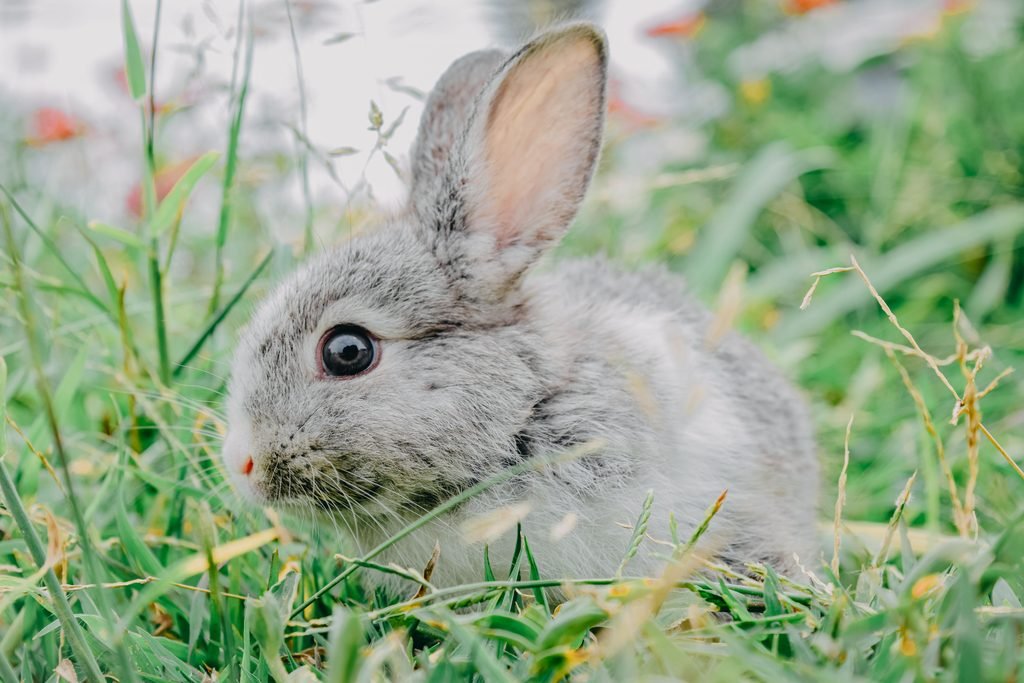
Rabbits can develop urinary problems, including bladder sludge, bladder stones, and urinary tract inflammation or infection.
These conditions do not always cause increased thirst directly, but they can cause changes in urination that owners notice alongside drinking behavior.
Watch for:
- Straining while urinating
- Frequent attempts to urinate
- Thick or gritty urine
- Wet fur around the hindquarters
- Signs of pain when passing urine
- Urinating outside the usual litter area
If your rabbit has started having accidents, our guide Senior Rabbit Peeing Outside Litter Box? 7 Possible Reasons can help you recognize other possible explanations. Do not assume that litter-box accidents are simply a behavioral problem.
A rabbit that is straining and unable to pass urine needs emergency veterinary assessment.
5. Stress or Changes in Routine May Affect Drinking
Some rabbits change their drinking behavior when their environment changes. Possible triggers include moving to a new enclosure, loud noises, unfamiliar animals, or disruptions to their usual routine. However, stress is not a reliable explanation for persistent excessive thirst. If your rabbit seems otherwise healthy, consider whether anything significant has changed recently.
Try to keep their environment calm and predictable, with easy access to hay, water, hiding spaces, and their usual resting area. For senior rabbits, place water within comfortable reach. An older rabbit with arthritis or reduced mobility should not need to climb or stretch awkwardly to drink.
If the increased drinking continues, contact your veterinarian rather than attributing it to stress.
6. Your Rabbit May Be Losing More Water Through Urination
Sometimes the important change is not simply that your rabbit is drinking more. It may be that your rabbit is urinating more and drinking to replace the fluid being lost.
This can happen with certain underlying health conditions, including kidney disorders and other metabolic or systemic illnesses.
Check the litter area for:
- Noticeably larger wet patches
- More frequent urination
- A consistently wetter litter box
- Changes in urine appearance
- Damp bedding or fur
If your rabbit shares a litter area with another rabbit, identifying which rabbit is producing the extra urine may take additional observation. A veterinarian can help distinguish increased drinking from increased urine production and determine whether testing is necessary.
7. An Underlying Illness May Be Affecting Your Senior Rabbit
Older rabbits sometimes show subtle changes before more obvious symptoms appear. Increased drinking can occur alongside conditions that affect appetite, weight, kidney function, or general health.
Watch for combinations of symptoms rather than focusing on thirst alone.
For example:
- Drinking more while losing weight
- Drinking more but eating less hay
- Drinking more and becoming less active
- Drinking more with changes in droppings
- Drinking more while showing signs of discomfort
Age alone does not explain excessive thirst.
If your senior rabbit’s drinking habits have changed noticeably, a rabbit-savvy veterinary examination is the safest way to investigate.
How Much Water Should a Rabbit Drink?
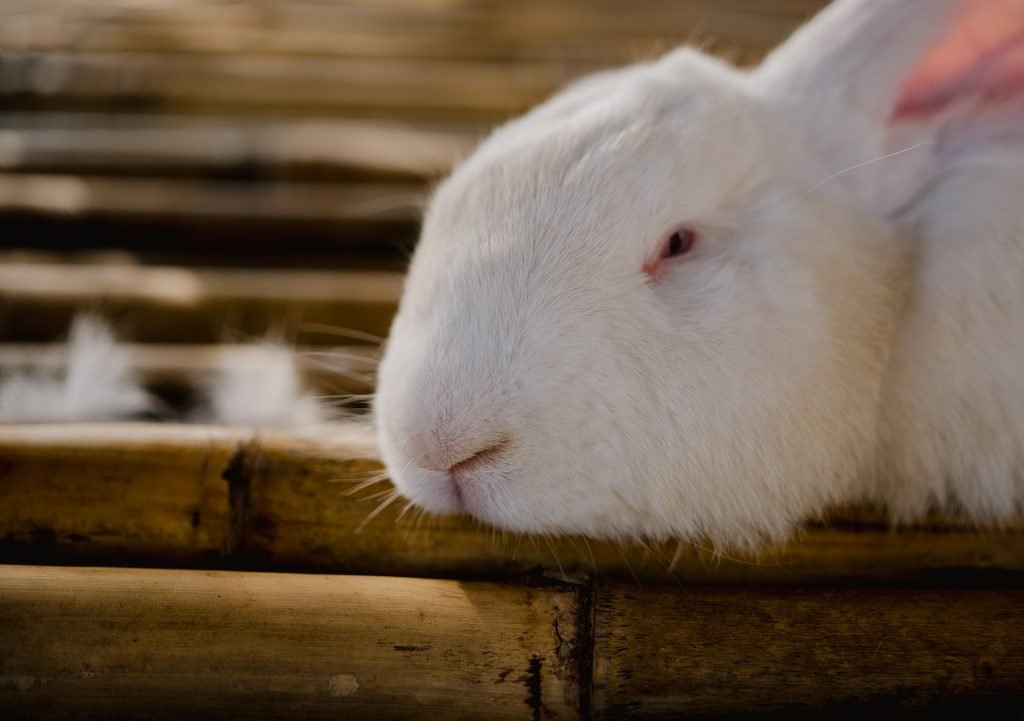
A commonly cited approximate range is 50–150 mL of drinking water per kilogram of body weight per day, but individual needs vary considerably.
Diet, temperature, activity, and health can all influence the amount. A rabbit eating plenty of fresh greens may drink less from a bowl than one eating mostly dry food.
Rather than relying on one number, pay attention to your rabbit’s usual pattern.
How to Track Your Rabbit’s Water Intake
For a rabbit drinking from a bowl:
- Measure how much water you add in the morning.
- Measure the water remaining after 24 hours.
- Account for any refills, spills, or evaporation.
- Record the approximate amount consumed.
- Note appetite, droppings, urination, and body weight.
For example:
| Day | Water consumed | Other observations |
|---|---|---|
| Monday | 180 mL | Eating and behaving normally |
| Tuesday | 240 mL | More urine than usual |
| Wednesday | 290 mL | Drinking frequently |
These are illustrative figures, not diagnostic thresholds.
A consistent increase is useful information to share with your veterinarian.
If multiple rabbits share the same bowl, these measurements will not accurately reflect one rabbit’s intake.
When Is Excessive Drinking an Emergency?
Contact a rabbit-savvy veterinarian promptly if your rabbit is drinking much more than usual without a clear explanation.
Seek urgent or emergency veterinary care if increased drinking occurs with:
- Refusal to eat or a significant drop in appetite
- Very few or no droppings
- Severe weakness or collapse
- A painful or swollen abdomen
- Straining or inability to urinate
- Signs of heatstroke
Do not wait for a water-intake measurement if your rabbit appears seriously unwell.
For additional guidance on the importance of hydration, see the Rabbit Welfare Association & Fund’s advice on fresh water.
Frequently Asked Questions
Why is my rabbit suddenly drinking so much water?
A sudden increase may be related to heat, dietary changes, or an underlying health condition. Check for changes in appetite, urination, droppings, and weight. If the increase is unexplained or persists, arrange a veterinary assessment.
Is it normal for an older rabbit to drink more water?
Not necessarily. An older rabbit may drink differently because of changes in diet or environment, but excessive thirst should not be dismissed as normal aging. Kidney and urinary problems are among the conditions a veterinarian may need to investigate.
Should I limit my rabbit’s water if they’re drinking too much?
Never restrict access to water unless a veterinarian specifically directs you to do so. Restricting water can cause dehydration and may worsen an underlying problem.
Final Thoughts
If your rabbit is drinking a lot of water, start by checking the temperature, recent diet changes, and whether urination has increased. Some changes are harmless, but persistent excessive thirst can be an early warning sign of illness, particularly in senior rabbits. Keep fresh water available, record what has changed, and contact a rabbit-savvy veterinarian if the increase is sudden, persistent, or accompanied by other symptoms. The goal isn’t to stop your rabbit from drinking. It’s to understand why their drinking habits have changed.