
Have you noticed thick, chalky urine in your rabbit’s litter box, or a gritty white substance left behind after the urine dries? It can be alarming, especially when your rabbit seems otherwise healthy.
Rabbit urine sludge develops when excessive calcium sediment accumulates in the bladder, creating thick, pasty urine that can be difficult or painful to pass. While slightly cloudy urine and small chalky deposits can be normal in rabbits, consistently thick, gritty, or toothpaste-like urine may indicate a problem that needs veterinary attention.
For senior rabbits, bladder health deserves particular attention. Arthritis, reduced mobility, and difficulty using the litter box can make it harder to empty the bladder comfortably.
If your older rabbit has recently changed its drinking habits, our guide to why rabbits drink a lot of water explains other symptoms worth monitoring. In this article, we’ll explore seven risk factors for bladder sludge, how to recognize warning signs, and what you can safely do to support your rabbit’s urinary health.
Rabbit Urine Sludge: What’s Normal and What Isn’t?
Rabbit urine can look surprisingly different from the urine of other pets. Healthy rabbit urine may range from pale yellow to orange, brown, or reddish shades. Its appearance varies with diet, hydration, and other factors.
Rabbits also process calcium differently from many other mammals. They absorb a relatively high proportion of dietary calcium and eliminate much of the excess through their kidneys and urine.
As a result, some cloudiness or fine white sediment in rabbit urine can be normal. However, large amounts of thick, gritty material are not something to ignore.
Normal Rabbit Urine vs. Bladder Sludge
| What you notice | May be normal | Possible warning sign |
|---|---|---|
| Urine appearance | Clear to slightly cloudy | Consistently thick or paste-like |
| White deposits | Small chalky residue after drying | Large amounts of gritty sediment |
| Urine flow | Normal, comfortable urination | Straining or passing small amounts |
| Litter habits | Using the usual toilet area | Frequent accidents or urine dribbling |
| Surrounding fur | Clean and dry | Wet, stained, or matted hindquarters |
| Behavior | Eating and moving normally | Hunching, painful tooth grinding, or reduced appetite |
The appearance of urine alone cannot confirm bladder sludge. For example, reddish urine does not always mean blood is present. Certain plant pigments can naturally change the color of rabbit urine.
However, suspected blood, persistent thick sediment, or any signs of painful urination should be investigated by a rabbit experienced veterinarian. The Rabbit Welfare Association & Fund’s guide to bladder problems explains how normal urinary calcium differs from excessive sludge and why water intake and mobility are important.
Why Senior Rabbits Need Extra Attention
Older rabbits may find it difficult to adopt a comfortable position when urinating. If arthritis or hind leg weakness interferes with bladder emptying, sediment may remain in the bladder for longer. Our article on senior rabbits with weak hind legs explains how mobility problems can affect everyday activities.
Let’s examine seven factors that may increase the risk of bladder sludge.
1. An Imbalance in Dietary Calcium
Calcium is essential for healthy rabbit bones, teeth, muscles, and nerves. However, because rabbits eliminate much of their excess dietary calcium through urine, unsuitable diets may contribute to an increased calcium load.
Possible dietary concerns include:
- Excessive calcium supplementation.
- Unnecessary mineral blocks.
- Large amounts of alfalfa hay in an otherwise healthy adult rabbit’s diet.
- An unbalanced diet that relies too heavily on concentrated foods.
Should You Remove Calcium From Your Rabbit’s Diet?
Rabbits need calcium to remain healthy, and excessive calcium restriction can cause serious nutritional problems. The relationship between diet and bladder sludge is complicated. Some rabbits develop sludge despite eating an appropriate diet, while others consume relatively high calcium diets without developing the condition.
What Should You Do?
For most healthy adult rabbits, grass hay such as timothy or orchard grass should form the main part of the diet. If your rabbit has been diagnosed with bladder sludge, ask your veterinarian to review its hay, pellets, vegetables, and supplements. Do not eliminate nutritious leafy greens or make major dietary changes without professional guidance.
This is especially important for senior rabbits that may already be underweight or have difficulty maintaining their appetite.
2. Not Drinking Enough Water
Adequate hydration helps keep urine diluted and supports regular urination. When a rabbit drinks too little, urine becomes more concentrated, allowing calcium sediment to accumulate more easily.
Why Might a Rabbit Drink Less?
Possible reasons include:
- Water that is difficult to reach.
- A blocked or poorly functioning water bottle.
- A dirty water bowl.
- Pain or limited mobility.
- Reduced appetite or illness.
- Changes in the environment.
How to Encourage Healthy Water Intake
Provide fresh water throughout the day. A stable water bowl is often easier for rabbits to use than a bottle, although offering both may be helpful. You can also provide appropriate leafy greens that have been rinsed and left slightly wet.
Monitor your rabbit’s usual drinking habits rather than relying on a fixed amount for every animal.
Senior Rabbit Tip
If your rabbit has arthritis, keep a water bowl close to its preferred resting area. It should not need to cross slippery flooring or climb over obstacles to drink.
3. Reduced Activity and Limited Movement
Movement may help prevent urinary sediment from remaining settled in the bladder for prolonged periods. Rabbits that spend most of their time sitting still may be more susceptible to problems associated with reduced urination or incomplete bladder emptying.
Why Might Rabbits Become Less Active?
Contributing factors include:
- Restricted living space.
- Limited opportunities to explore.
- Painful feet.
- Obesity.
- Arthritis.
- General illness.
- Hind leg weakness.
How to Help
Provide a safe area where your rabbit can move voluntarily. Arrange food, water, and resting spaces so your rabbit has opportunities for comfortable movement throughout the day. Avoid forcing a senior rabbit to exercise.
If movement has declined, ask a veterinarian to investigate the reason.
4. Arthritis and Difficulty Emptying the Bladder
Arthritis is an especially important risk factor for senior rabbits. To urinate comfortably, rabbits must position their hindquarters appropriately. A rabbit with painful hips, spine, or hind legs may struggle to adopt its normal urinating posture.
As a result, the bladder may not empty as completely as it should.
Warning Signs
You might notice:
- Difficulty entering the litter box.
- Urinating while sitting in an unusual position.
- Wet fur around the hindquarters.
- More frequent accidents.
- Stiffness after resting.
- Reluctance to move.
- Pain when changing position.
Why This Matters
Urine remaining in the bladder can allow calcium particles more time to settle. Over time, this may contribute to sludge accumulation.
What Should You Do?
Arrange a veterinary examination if your senior rabbit appears stiff or uncomfortable. Treating arthritis appropriately may improve both comfort and the ability to urinate normally. Provide a litter box with a low entrance and secure, nonslip flooring around it.
5. Excess Body Weight
Overweight rabbits may have difficulty positioning themselves to urinate or grooming their hindquarters. Excess body weight can also contribute to reduced activity. These factors may increase the risk of incomplete bladder emptying and urinary sediment buildup.
Signs Weight May Be Affecting Your Rabbit
Look for:
- Difficulty reaching the hindquarters.
- Reduced movement.
- Trouble entering the litter box.
- Persistent urine staining.
- Difficulty maintaining normal grooming habits.
Not every inactive rabbit is overweight, and older rabbits can also lose muscle while appearing relatively heavy.
What Should You Do?
Ask your veterinarian to assess your rabbit’s body condition. If weight management is necessary, changes should be gradual and nutritionally appropriate. Never use severe food restriction to encourage weight loss. Rabbits need a steady supply of fiber to support normal digestion.
6. Difficult or Infrequent Access to the Litter Box
Some rabbits delay urinating because their preferred toilet area is difficult to reach. This can become a particular problem for older rabbits that have arthritis, weakness, or difficulty stepping over high litter box sides.
Common Accessibility Problems
These include:
- Litter boxes with entrances that are too high.
- Slippery flooring leading to the litter area.
- Boxes positioned far from resting places.
- Dirty litter boxes that rabbits avoid.
- Insufficient toilet areas in large living spaces.
What Can You Change?
Provide a low entry litter box in an accessible location.
Keep the litter area clean and dry and consider providing more than one toilet area if your rabbit has difficulty moving around. If accidents are becoming more frequent, our guide to why senior rabbits pee outside the litter box explains other possible causes.
Changes in litter habits can indicate pain or urinary disease, not just a behavioral problem.
7. Urinary Tract Disease and Individual Susceptibility
Bladder sludge does not always have one obvious cause. Some rabbits may be more susceptible because of individual differences in calcium metabolism or urinary function. Underlying urinary tract conditions may also contribute to sediment buildup or develop as a consequence of it.
Conditions a Veterinarian May Investigate
These include:
- Bladder inflammation, also called cystitis.
- Urinary tract infections.
- Bladder stones.
- Kidney problems.
- Abnormal urinary emptying.
- Recurrent calcium sediment accumulation.
Bladder inflammation and sludge can sometimes occur together, making it difficult to determine which problem developed first.
What About Bladder Stones?
Bladder sludge and bladder stones are related but different conditions. Sludge consists of accumulated mineral sediment, while stones are more solid mineral formations. Both may cause discomfort, urinary changes, and serious complications.
A veterinarian may recommend imaging to distinguish between them. The VCA Animal Hospitals guide to bladder sludge and stones explains the symptoms, diagnostic methods, and treatment approaches for these urinary conditions.
What Are the Warning Signs of Bladder Sludge in Rabbits?
Some rabbits with bladder sludge show obvious urinary changes, while others develop more subtle symptoms.
Symptoms to Watch For
- Thick, gritty, or paste-like urine.
- Large chalky deposits in the litter box.
- Straining while urinating.
- Passing small amounts of urine.
- Urinating more frequently.
- Wet or stained hindquarters.
- Urine dribbling.
- Painful tooth grinding.
- Hunched posture.
- Reduced appetite or activity.
When Is It an Emergency?
| Symptom | Recommended action |
|---|---|
| Small amount of cloudy urine, otherwise normal | Monitor for changes |
| Repeated thick or gritty urine | Arrange veterinary assessment |
| Urine dribbling or painful urination | Seek prompt veterinary care |
| Blood suspected in urine | Seek prompt veterinary care |
| Straining with very little urine | Urgent veterinary care |
| Repeated attempts to urinate with no urine produced | Emergency veterinary care |
| Refusal to eat, severe pain, or collapse | Emergency veterinary care |
A rabbit repeatedly trying to urinate but producing no urine may have a urinary obstruction. This is an emergency.
Do not attempt to squeeze or manually empty your rabbit’s bladder.
How Do Veterinarians Diagnose Rabbit Urine Sludge?
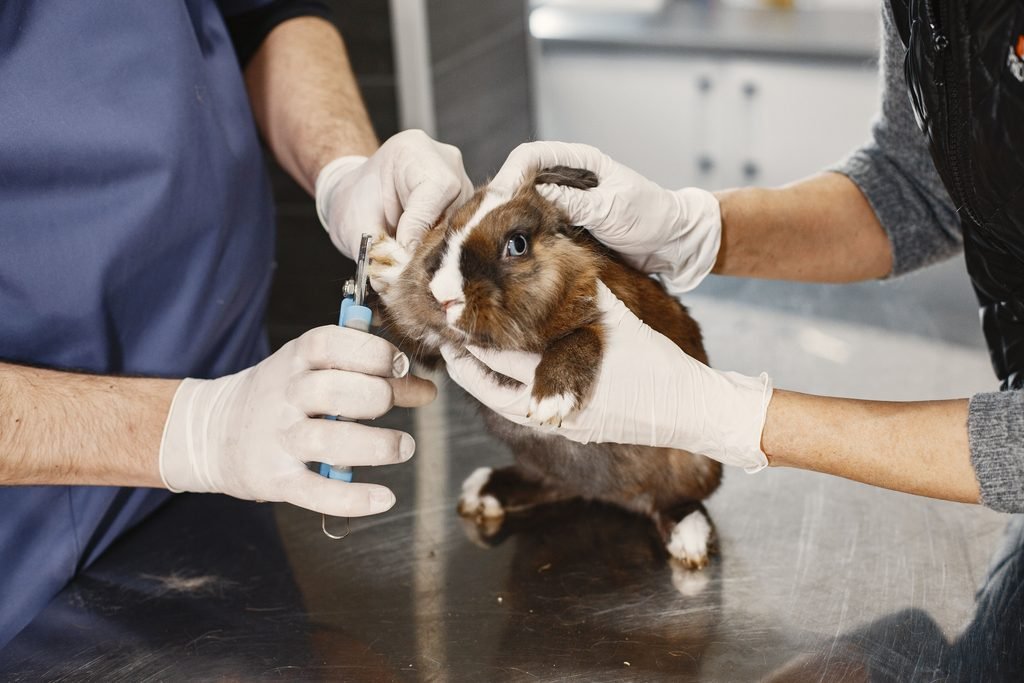
A veterinarian will examine your rabbit and ask about changes in drinking, urination, diet, mobility, and behavior.
Because several urinary conditions can produce similar symptoms, further testing may be necessary.
Common Diagnostic Tests
| Test | What it helps assess |
|---|---|
| Physical examination | Pain, hydration, bladder size, and general condition |
| Urinalysis | Crystals, blood, inflammation, and other urine changes |
| Urine culture | Possible bacterial infection |
| X-rays | Mineral sediment and urinary stones |
| Ultrasound | Bladder contents and surrounding structures |
| Blood tests | Kidney function and other health concerns |
Not every rabbit needs every test. Your veterinarian will select the most appropriate investigations based on the symptoms.
How Is Bladder Sludge in Rabbits Treated?
Treatment depends on the amount of sludge, the severity of symptoms, and whether complications are present. A rabbit with mild changes may need a different treatment plan from one with significant bladder sediment, pain, or urinary obstruction.
Possible Veterinary Treatments
These may include:
- Pain relief.
- Fluid therapy when appropriate.
- Treatment of any confirmed infection.
- Professional bladder flushing in selected cases.
- Management of urinary stones when present.
- Treatment of arthritis or other mobility problems.
- Individualized dietary and hydration guidance.
Some rabbits need further procedures or ongoing monitoring, especially when sludge repeatedly returns.
Can You Remove Rabbit Bladder Sludge at Home?
Do not attempt bladder flushing, bladder expression, or other procedures designed to force urine out. These techniques require veterinary assessment and training and may cause serious harm if performed incorrectly.
Home care should focus on supporting hydration, appropriate nutrition, cleanliness, and comfortable movement as directed by your veterinarian.
How to Help Prevent Bladder Sludge in Senior Rabbits
Although not every case can be prevented, several everyday care practices may help reduce contributing risks.
Daily Bladder Health Checklist
- Provide unlimited access to appropriate grass hay.
- Offer fresh, easily accessible drinking water.
- Provide suitable leafy greens as part of a balanced diet.
- Keep litter boxes clean and easy to enter.
- Maintain dry, comfortable resting areas.
- Encourage voluntary movement.
- Monitor urine appearance and frequency.
- Watch for discomfort or changes in appetite.
Why Litter Box Placement Matters
Senior rabbits may be less willing to travel across an enclosure to urinate. Positioning a low entry litter box close to a preferred resting area can improve accessibility. Avoid slippery surfaces that make entering or leaving the box difficult.
Should You Feed a Low Calcium Diet?
Only under appropriate veterinary guidance. It may be helpful to review unnecessary calcium supplements, alfalfa-based products, and the overall diet of an adult rabbit diagnosed with sludge. However, calcium is essential for healthy bones and teeth. A diet that is excessively low in calcium may create additional health problems.
Why Does Bladder Sludge Keep Coming Back?
Some rabbits experience recurring episodes even after treatment.
Possible contributing factors include:
- Ongoing difficulty emptying the bladder.
- Arthritis or reduced mobility.
- Insufficient water intake.
- Persistent urinary tract problems.
- Individual susceptibility.
- Dietary factors that have not been adequately addressed.
For senior rabbits, recurrence may be related to an ongoing condition rather than a temporary problem. A veterinarian may recommend follow-up examinations or imaging to monitor bladder health. Keeping a record of your rabbit’s litter habits, appetite, and mobility can help identify changes earlier.
Frequently Asked Questions
What Is Rabbit Urine Sludge?
Rabbit urine sludge is an excessive buildup of calcium rich sediment in the bladder. It can cause thick, gritty urine and may lead to pain or difficulty urinating.
Is Cloudy Rabbit Urine Normal?
Yes. Some cloudiness and small amounts of chalky sediment can be normal because rabbits eliminate excess calcium through their urine. However, consistently thick or paste-like urine needs veterinary assessment.
What Causes Bladder Sludge in Rabbits?
Several factors may contribute, including dietary calcium imbalance, inadequate hydration, limited movement, arthritis, obesity, difficulty emptying the bladder, and other urinary health problems.
Can Rabbit Urine Sludge Go Away on Its Own?
Some calcium sediment may pass naturally, but significant sludge can remain in the bladder and cause discomfort or complications. Do not assume a suspected sludge problem will resolve without veterinary assessment.
What Does Rabbit Bladder Sludge Look Like?
Sludge may appear as thick, chalky, gritty, or toothpaste-like urine. Large amounts of white or gray sediment may remain after the urine dries.
Can Bladder Sludge Kill a Rabbit?
Severe urinary disease can become life threatening, particularly if a rabbit develops an obstruction, significant pain, or stops eating. A rabbit unable to pass urine needs emergency veterinary care.
How Do You Treat Bladder Sludge in Rabbits?
Veterinary treatment may involve pain relief, fluids, bladder flushing, treatment of infection, or management of underlying mobility and dietary factors. The approach depends on the severity of the condition.
Can Senior Rabbits Develop Bladder Sludge?
Yes. Rabbits of any age can develop bladder sludge. Senior rabbits with arthritis, reduced movement, or difficulty urinating normally may have additional risk factors.
Is Rabbit Urine Sludge the Same as Bladder Stones?
The Urine Sludge is accumulated mineral sediment, while bladder stones are solid mineral formations. Both can cause urinary symptoms and require veterinary assessment.
Final Thoughts
Rabbit urine sludge should not be confused with ordinary cloudy urine. While small amounts of calcium sediment can be normal, consistently thick, gritty urine may indicate a bladder problem. The causes are often complicated. Diet matters, but hydration, mobility, urinary health, and the ability to empty the bladder comfortably are also important.
For senior rabbits, arthritis and reduced movement deserve particular attention. Making the litter area accessible, providing fresh water, and monitoring urinary habits can help support long term comfort.
If your rabbit develops painful urination, persistent thick sediment, or changes in appetite, contact a rabbit experienced veterinarian. A rabbit that cannot pass urine needs emergency veterinary care. Recognizing changes early and addressing the underlying risk factors offers the best opportunity to protect your rabbit’s comfort and urinary health.