

Have you noticed missing fur, redness, or small sores on the bottoms of your rabbit’s feet? These changes may be early signs of sore hocks, a painful condition that can become more serious if the underlying cause is not addressed.
Rabbit sore hocks develop when pressure, friction, or moisture damages the protective skin on the feet. Common contributing factors include unsuitable flooring, damp bedding, excess weight, reduced movement, arthritis, overgrown nails, and naturally thin foot fur.
Sore hocks, medically called pododermatitis, can affect rabbits of any age. However, senior rabbits may be more vulnerable because arthritis, weakness, and reduced mobility can increase pressure on certain parts of their feet.
Early symptoms may be subtle. A small area of thinning fur can gradually develop into red, inflamed skin or an open wound. If your senior rabbit is moving less or struggling to stand comfortably, our guide to senior rabbits with weak hind legs explains ways to improve everyday comfort.
In this guide, we’ll explore seven possible causes of sore hocks, how to recognize warning signs, and what you can safely do to support your rabbit’s recovery.
Rabbit Sore Hocks: What’s Normal and What Isn’t?
Rabbits do not have the thick paw pads found on cats and dogs. Instead, their feet are protected by a layer of dense fur that cushions the skin beneath. This protective fur is particularly important around the heels, where a rabbit’s body weight can create pressure when standing or resting.
Some rabbits naturally have small areas of thinner fur around their heels. These areas are not necessarily active sores. However, redness, swelling, broken skin, or pain should never be considered normal.
Normal Rabbit Hocks vs. Sore Hocks
| What to check | Generally healthy feet | Possible sore hocks |
|---|---|---|
| Foot fur | Protective fur covers most weight bearing areas | Fur becomes thin or disappears |
| Skin color | Normal color without irritation | Redness or inflammation |
| Skin surface | Intact, dry, and comfortable | Cracks, scabs, or open sores |
| Swelling | No unusual swelling | Puffy or inflamed areas |
| Movement | Normal hopping and standing | Limping or reluctance to move |
| Behavior | Eating and interacting normally | Signs of discomfort or reduced appetite |
The PetMD veterinary guide to pododermatitis in rabbits explains that the condition develops when pressure, friction, or moisture damages the skin beneath the protective foot fur.
Without appropriate care, the damage may progress from irritation to ulcers and deeper infection.
Why Senior Rabbits Need Extra Attention
Older rabbits may spend longer periods resting because of arthritis or reduced strength. If they remain in the same position, repeated pressure can affect vulnerable areas of the feet. Flooring also matters. Our guide to waterproof, nonslip flooring for senior rabbits compares surfaces that can help improve comfort and traction.
Let’s examine the seven main factors that can contribute to sore hocks.
1. Hard or Abrasive Flooring
One of the most common causes of sore hocks in rabbits is unsuitable flooring. Rabbits are naturally adapted to moving across surfaces such as grass and soil, which provide some cushioning. Indoor environments can expose their feet to surfaces that are too hard, slippery, or abrasive.
Flooring That May Cause Problems
Examples include:
- Wire cage floors.
- Bare concrete.
- Hard surfaces without cushioning.
- Rough or abrasive carpets.
- Slippery tiles or laminate flooring.
- Bedding that becomes compressed and uncomfortable.
Hard surfaces concentrate pressure on the feet, while abrasive materials may gradually wear away protective fur.
Slippery surfaces can also make rabbits change how they stand or move.
What Flooring Is Better?
Choose flooring that provides cushioning, traction, and a dry resting area. Options may include soft washable mats, suitable fleece over supportive padding, and thick, clean bedding.
The material should not slide, bunch up, or become hazardous if your rabbit chews it. For senior rabbits, a combination of soft support and secure footing is especially important.
The goal is not simply to make the floor softer. It is to reduce pressure while allowing comfortable movement.
2. Damp or Dirty Bedding
Moisture can weaken the protective skin on a rabbit’s feet. When bedding remains wet with urine or spilled water, the skin may become irritated and more vulnerable to damage. A damp environment can also encourage bacterial growth.
Signs Moisture May Be Contributing
Look for:
- Wet bedding around favorite resting places.
- Urine staining on the hind feet.
- Damp fur beneath the body.
- Red or irritated skin.
- An unpleasant odor.
- Repeatedly dirty litter areas.
Why This Matters for Senior Rabbits
Older rabbits with arthritis or limited mobility may have difficulty moving away from wet areas. Some also struggle to position themselves correctly while urinating.
If your senior rabbit has frequent accidents, our article on why senior rabbits pee outside the litter box explores possible contributing factors.
How to Help
Keep resting areas clean and dry. Replace wet bedding promptly and make sure litter boxes are easy to enter. If your rabbit repeatedly becomes wet or soiled, arrange veterinary advice. Urinary problems, arthritis, and other health conditions may need treatment.
3. Excess Body Weight
Overweight rabbits may experience additional pressure on their feet. Extra body weight can change how pressure is distributed when a rabbit stands or rests. This may increase the likelihood of skin irritation, particularly when combined with hard flooring or reduced movement.
Signs Weight May Be Contributing
Possible clues include:
- Difficulty grooming the hindquarters.
- Reduced activity.
- Trouble reaching certain body areas.
- Changes in body shape.
- Difficulty moving comfortably.
However, weight cannot be assessed reliably from appearance alone. A rabbit with a thick coat may appear larger than it actually is.
What Should You Do?
Ask a rabbit experienced veterinarian to assess your rabbit’s body condition. If weight management is needed, the veterinarian can recommend an appropriate feeding and activity plan.
Avoid sudden food restriction or crash diets. Rabbits require regular intake of fiber rich foods to support normal digestion. For senior rabbits, weight management should also account for muscle loss, arthritis, and other medical conditions.
4. Limited Movement and Prolonged Pressure
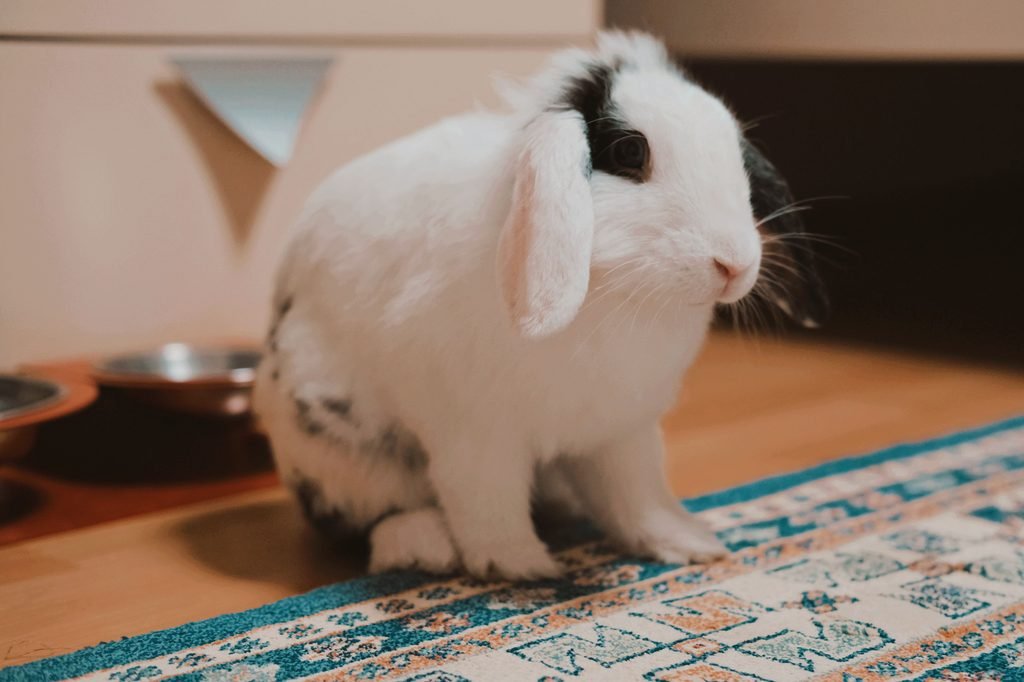
Rabbits naturally change position throughout the day. They hop, stretch, rest, and shift their weight. When a rabbit spends too much time sitting in one position, pressure may remain concentrated on the same areas of the feet. Over time, this can contribute to skin damage.
Why Might a Rabbit Move Less?
Possible reasons include:
- Limited enclosure space.
- Arthritis.
- Hind leg weakness.
- Obesity.
- Pain or illness.
- Slippery flooring.
- Difficulty reaching food or water.
How to Help
Provide enough accessible space for your rabbit to move voluntarily. Keep essential supplies within comfortable reach and offer several supportive resting areas. If your rabbit has mobility problems, make environmental changes that encourage safe movement without forcing exercise.
A rabbit that suddenly becomes reluctant to move should receive veterinary attention.
5. Arthritis and Changes in Movement
Arthritis is particularly important when considering sore hocks in senior rabbits. As joints become painful or stiff, rabbits may change how they stand or distribute their weight. Instead of placing pressure evenly across their feet, they may favor certain positions.
This can create repeated pressure on vulnerable areas.
Signs of Arthritis in Older Rabbits
Watch for:
- Stiffness after resting.
- Reluctance to hop.
- Difficulty entering the litter box.
- Reduced grooming.
- Spending more time sitting still.
- Trouble turning or changing position.
- Changes in how the hind feet contact the floor.
Why Sore Hocks and Arthritis Can Occur Together
Arthritis may reduce movement and change foot positioning. At the same time, painful sore hocks can make a rabbit even less willing to move. This may create a cycle of discomfort and inactivity.
What Should You Do?
Arrange a veterinary examination if your older rabbit shows signs of stiffness or pain. A veterinarian can assess the joints, feet, and overall mobility. Treatment may include appropriate pain management and changes to the living environment. Do not assume that an older rabbit is sitting still simply because of age. Reduced movement may indicate a treatable problem.
6. Overgrown Nails Can Change Foot Positioning
Rabbit nails grow continuously and often require regular trimming. When nails become excessively long, they can interfere with normal foot positioning.
A rabbit may shift its weight backward to compensate, increasing pressure on the heels. This can contribute to sore hocks, especially when combined with unsuitable flooring or arthritis.
Signs of Overgrown Nails
Look for:
- Nails extending unusually far beyond the toes.
- Excessive curling.
- Claws catching on rugs.
- Changes in standing position.
- Difficulty moving comfortably.
- Cracked or broken nails.
How to Help
Check your rabbit’s nails regularly. If trimming is needed, use a technique demonstrated by a veterinarian or trained veterinary nurse. Be particularly careful with severely overgrown nails because the sensitive quick may extend farther toward the tip. Do not attempt to shorten severely overgrown nails aggressively in one session.
For senior rabbits with arthritis, a professional nail trim may be more comfortable than trying to handle painful joints at home.
7. Thin Protective Foot Fur and Breed Differences
Some rabbits naturally have less protective fur on their feet. For example, Rex rabbits have short, fine coats that may provide less cushioning around the heels. Larger rabbit breeds may also experience greater pressure on their feet because of their body size.
Why Protective Fur Matters
Unlike animals with thick paw pads, rabbits depend heavily on fur to cushion their feet. When this fur becomes worn away, the underlying skin is exposed to more pressure and friction. This can lead to irritation and, in more serious cases, ulcers.
What Should You Watch For?
Look for:
- Expanding areas of missing foot fur.
- Redness beneath thinning fur.
- Scabs or irritated skin.
- Changes in movement.
- Repeated problems in the same location.
According to Oxbow Animal Health’s guide to sore hocks, breed, weight, flooring, activity, hygiene, and nail length can all contribute to foot problems.
If your rabbit naturally has thin foot fur, pay extra attention to flooring and routine skin checks. Never shave or closely trim the protective fur on the bottoms of your rabbit’s feet unless a veterinarian specifically directs you to do so.
How Serious Are Sore Hocks in Rabbits?
Sore hocks can range from mild skin changes to deep, painful wounds. Understanding the warning signs can help you recognize when the condition may be progressing.
Early, Moderate, and Severe Sore Hocks
| Severity | Possible appearance | Recommended action |
|---|---|---|
| Early changes | Thinning fur or a small area of irritation | Arrange veterinary advice and improve flooring |
| Moderate changes | Redness, swelling, scabs, or shallow sores | Prompt veterinary examination |
| Serious changes | Open wounds, bleeding, significant swelling, or discharge | Urgent veterinary care |
| Severe illness | Foot injury with refusal to eat, inability to move, or marked weakness | Emergency veterinary care |
This table is intended for recognizing warning signs, not determining a medical grade at home.
What if Rabbit Sore Hocks Are Bleeding?
Bleeding indicates that the skin has been damaged. A bleeding sore may be painful and vulnerable to infection. Keep your rabbit on a clean, dry, supportive surface and seek urgent veterinary advice. If bleeding is active, gentle pressure with clean gauze may help while you arrange care. Do not scrub the wound or apply unprescribed products.
What Is the Best Flooring for Rabbits With Sore Hocks?
Flooring is one of the most important environmental factors to review when a rabbit develops sore hocks. The best surface provides cushioning without becoming slippery, abrasive, or damp.
Flooring Comparison
| Flooring type | Potential benefit | Important consideration |
|---|---|---|
| Soft washable mats | Cushioning and easy cleaning | Must provide good traction |
| Fleece over supportive padding | Comfortable resting surface | Replace promptly when wet |
| Thick paper bedding | Absorbs moisture and provides cushioning | Requires regular replacement |
| Soft, clean hay or straw bedding | Can provide a cushioned resting area | Must remain clean and dry |
| Bare tile or laminate | Easy to clean | Often slippery and offers little cushioning |
| Rough carpet | May provide traction | Abrasive surfaces can damage protective foot fur |
| Wire flooring | No meaningful cushioning | Can concentrate pressure on the feet |
Not every rabbit tolerates the same materials. Some rabbits chew fabric or foam, so choose surfaces that remain safe for your individual rabbit. For rabbits with active wounds, ask your veterinarian which materials are most appropriate.
Rabbit Hock Sores Treatment: What Actually Helps?
Treatment depends on how much the skin has been damaged and whether infection or another underlying condition is present. Mild cases may improve with early intervention, while more serious cases can require prolonged veterinary treatment.
What Your Veterinarian May Recommend
Depending on the examination, treatment may include:
- Pain relief.
- Appropriate wound care.
- Antibiotics when infection is present.
- Professional protective bandaging.
- Assessment of arthritis or other mobility problems.
- Weight management.
- Changes to flooring and bedding.
- Additional tests for deep or persistent wounds.
Severe cases may require imaging to determine whether deeper tissues or bones are affected.
What Can You Safely Do at Home?
While arranging veterinary care, you can:
- Provide a clean, dry, cushioned resting area.
- Remove rough or slippery flooring.
- Replace soiled bedding promptly.
- Make food and water easy to reach.
- Observe your rabbit’s movement and appetite.
- Follow any wound care instructions provided by your veterinarian.
These steps reduce environmental pressure but do not replace medical treatment.
Can You Treat Sore Hocks With Home Remedies?

Searches for home remedies for sore hocks in rabbits are common, but not all treatments found online are appropriate. Avoid applying human creams, antiseptics, essential oils, or antibiotic ointments without veterinary guidance.
Some products may irritate damaged skin or be unsafe if your rabbit licks them. Likewise, do not apply homemade bandages to open wounds. Incorrect bandaging can create pressure, restrict circulation, trap moisture, or worsen infection.
The safest approach is to address the flooring and hygiene immediately while having the affected feet examined by a veterinarian.
How to Prevent Sore Hocks in Senior Rabbits
Prevention is especially important for older rabbits that spend more time resting or have difficulty moving. A simple routine can help reduce unnecessary pressure and identify changes early.
Check the Feet Regularly
Inspect the undersides of the hind feet for thinning fur, redness, swelling, or sores. For senior rabbits with limited mobility, gentle daily checks may be particularly useful. Avoid forcing painful legs into uncomfortable positions.
Keep Bedding Dry
Replace wet bedding promptly. Pay attention to places where your rabbit spends most of its time.
Provide Supportive Flooring
Use comfortable, nonslip materials that help distribute pressure. Avoid rough surfaces and flooring that causes slipping.
Maintain Appropriate Nail Length
Check nails regularly and arrange trimming when necessary. Long nails may change how a rabbit places its feet.
Support Comfortable Movement
Provide accessible space and allow your rabbit to move voluntarily. If movement is painful or difficult, ask your veterinarian about treatment and suitable environmental changes.
Monitor Appetite and Behavior
Painful feet can cause rabbits to become less active or eat less. Watch for reduced hay consumption, fewer droppings, or unusual tooth grinding. Changes in these behaviors may indicate that discomfort is becoming more significant.
Frequently Asked Questions
What Causes Rabbit Sore Hocks?

Rabbit sore hocks commonly develop because of repeated pressure, friction, or moisture affecting the feet. Contributing factors include unsuitable flooring, excess weight, inactivity, arthritis, overgrown nails, and thin protective foot fur.
What Are the Early Symptoms of Sore Hocks in Rabbits?
Early symptoms may include thinning fur, small areas of redness, and irritation on the underside of the hind feet. As the condition progresses, swelling, scabs, ulcers, and pain may develop.
Can Rabbit Sore Hocks Heal?
Yes, some cases improve or heal with appropriate treatment and environmental changes. Recovery depends on the severity of the damage and whether contributing problems are addressed. Chronic or severe cases may require long term management.
What Is the Best Flooring for Rabbits With Sore Hocks?
Soft, supportive, dry flooring with good traction is generally preferable. Suitable washable mats, cushioned fleece, or clean absorbent bedding may help. Avoid abrasive materials, slippery surfaces, and wire flooring.
Can I Put Cream on My Rabbit’s Sore Hocks?
Only use a cream or ointment recommended by a rabbit experienced veterinarian. Human products and unverified home remedies may irritate the skin or cause problems if ingested.
Why Does My Senior Rabbit Keep Getting Sore Hocks?
Recurring sore hocks in older rabbits may be associated with arthritis, reduced movement, repeated pressure, damp resting areas, or changes in weight distribution. A veterinarian can help identify contributing conditions.
Are Bald Spots on Rabbit Heels Always Sore Hocks?
No. Some rabbits naturally have small areas of thinner fur around their heels. However, expanding bald patches, redness, swelling, broken skin, or discomfort should be assessed by a veterinarian.
Should I Bandage My Rabbit’s Sore Hocks?
Do not apply homemade bandages to open sores without veterinary guidance. Incorrect bandaging can worsen pressure, trap moisture, or contribute to infection. A veterinarian can determine whether protective bandaging is appropriate.
How Long Do Sore Hocks Take to Heal?
Healing time varies. Mild cases may improve over several weeks, while deeper wounds or chronic cases can require longer treatment. The underlying cause must also be addressed to reduce the risk of recurrence.
Final Thoughts
Rabbit sore hocks are more than a minor foot problem. What begins as thinning fur or mild redness can develop into painful skin damage when pressure, moisture, or friction continues. Suitable flooring, clean bedding, healthy nail length, and regular foot checks can help reduce the risk.
For senior rabbits, arthritis and reduced mobility deserve particular attention. Older rabbits may need additional support to remain comfortable and avoid prolonged pressure on vulnerable areas. If your rabbit develops red, swollen, bleeding, or painful feet, arrange veterinary care rather than relying on home remedies alone.