
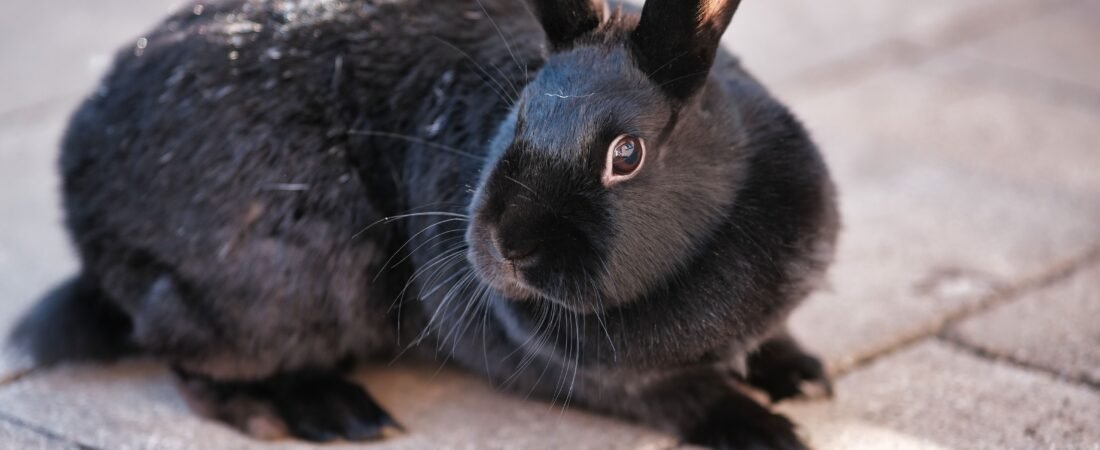
If your rabbit no longer responds to familiar sounds, sleeps through household noises, or seems surprised when you approach, you might be wondering how to tell if a rabbit is deaf. Hearing changes can develop gradually, particularly in older rabbits, making early warning signs easy to overlook.
However, hearing loss isn’t always caused by aging. Ear infections, excessive earwax, and other health problems can affect a rabbit’s hearing. If your bunny frequently moves or scratches its ears, our guide to rabbit head shaking and its possible causes explains symptoms that may point toward an underlying ear problem.
Some owners first notice a change when their rabbit stops reacting to ordinary household sounds or sleeps through activities that previously caught its attention. While reduced hearing may explain these behaviors, increased sleep can have other causes. Our article on why rabbits sleep a lot and when to worry discusses those differences.
The good news is that rabbits with hearing difficulties can still enjoy comfortable, fulfilling lives. The important thing is recognizing changes early, seeking veterinary advice, and making thoughtful adjustments to their environment.
This guide explains seven possible signs of deafness, how to observe your rabbit safely, possible medical causes, and practical ways to care for a senior rabbit with reduced hearing.
Can Senior Rabbits Lose Their Hearing?
Yes. Senior rabbits can experience reduced hearing as they age, although hearing loss should never automatically be considered a normal part of getting older.
According to the RSPCA’s guidance on caring for older rabbits, some aging rabbits develop poorer hearing or vision. The organization recommends veterinary assessment when an older rabbit becomes less responsive or shows changes in behavior.
Hearing loss may develop gradually or appear suddenly, depending on the underlying cause.
A 2023 study published in PLOS ONE examined owner-reported ear problems among 551 pet rabbits. Researchers found associations between reported hearing impairment, increasing age, and lop-eared conformation. However, these findings don’t mean every senior rabbit will eventually become deaf. The research relied on owner reports, and hearing difficulties can occur for several reasons.
The most helpful starting point is knowing your rabbit’s usual behavior and recognizing when something changes.
7 Possible Signs Your Rabbit Is Deaf or Losing Hearing
No single behavior can confirm that a rabbit is deaf. Rabbits respond differently to sounds depending on their environment, mood, physical condition, and individual personality. However, the following changes may suggest reduced hearing, especially when several occur together.
1. Your Rabbit Stops Responding to Familiar Sounds
One possible sign of hearing loss is a noticeable change in how your rabbit reacts to familiar noises. For example, your rabbit may previously have responded whenever you opened the food container, entered the room, or spoke nearby. Now, those same sounds seem to attract little attention.
You might notice your rabbit:
- No longer turns toward your voice.
- Doesn’t react to familiar feeding sounds.
- Remains unaware of quiet household activity.
- Responds only when someone enters its field of vision.
What to watch for: A consistent change from your rabbit’s previous behavior is more meaningful than an occasional lack of response.
Rabbits sometimes ignore sounds when relaxed, distracted, or uninterested. Not responding to a voice doesn’t automatically mean your rabbit cannot hear.
2. Your Rabbit No Longer Turns Its Ears Toward Sounds
Rabbit ears are designed to help detect and locate sounds. Many upright-eared rabbits naturally rotate their ears toward interesting noises. If your rabbit previously made these movements but now rarely does, reduced hearing may be one possible explanation.
However, ear movements aren’t a reliable hearing test. Lop-eared rabbits have different ear anatomy, making ear movements less obvious. Even rabbits with normal hearing may keep their ears relatively still when resting. Instead of concentrating on ear position alone, observe whether the change occurs alongside other unusual behaviors.
Important: A lack of ear movement cannot confirm deafness.
3. Your Rabbit Sleeps Through Familiar Household Noises
Some rabbits with reduced hearing appear less responsive to ordinary household sounds while resting. For example, your rabbit might sleep through nearby conversations, familiar footsteps, or the sounds of someone preparing food. Previously, these activities may have caused your bunny to lift its head or become alert.
Although this can suggest reduced hearing, it isn’t definitive evidence. Senior rabbits may also experience changes in activity levels, sleeping patterns, and general health. If your rabbit is unusually lethargic, difficult to rouse, eating less, or otherwise acting unwell, seek veterinary advice promptly.
The important distinction is whether your rabbit is simply resting comfortably or showing a broader change in its normal behavior.
4. Your Rabbit Startles When You Approach
A rabbit with hearing difficulties might not realize someone is approaching until that person suddenly appears nearby. This unexpected contact can cause a startled reaction.
You might notice your bunny:
- Jumping when someone appears beside it.
- Freezing briefly after noticing movement.
- Moving away when touched unexpectedly.
- Becoming more cautious during interactions.
These reactions don’t necessarily mean your rabbit has become frightened of you. Your bunny may simply be receiving less warning that someone is approaching. Avoid approaching silently from behind, clapping loudly, or touching your rabbit unexpectedly. Instead, approach calmly from a visible direction and allow your rabbit to notice you before interacting.
5. Your Rabbit Responds to Movement but Not Your Voice
Some owners notice that their rabbits still respond to movement but seem less aware of sound. For example, your bunny may remain still when you speak but immediately look toward you when you walk into view. It might also respond to familiar hand movements while no longer reacting consistently to previously recognized sounds.
This pattern can suggest that your rabbit is relying more heavily on visual information. However, rabbits can recognize visual routines even when their hearing is completely normal. A veterinarian can help investigate whether reduced responsiveness reflects hearing loss or another health concern.
6. Your Rabbit Doesn’t Notice Familiar Footsteps
Rabbits often become familiar with everyday household routines. Some recognize footsteps, doors opening, or the sounds associated with feeding. When hearing declines, these familiar noises may no longer produce the same response. Your rabbit might seem unaware that someone has entered the room until that person becomes visible.
However, rabbits can detect vibrations through the floor. A bunny that reacts to footsteps may be responding to vibrations rather than hearing the sound itself. For this reason, observing responses to footsteps alone cannot establish whether your rabbit is deaf. Look for repeated changes across several familiar situations instead.
7. Your Rabbit Becomes Less Responsive During Daily Activities
Sometimes, possible hearing loss becomes noticeable through subtle changes in everyday routines. A rabbit that previously responded to your voice may begin relying more on visual signals. Your bunny might take longer to notice feeding preparations or appear less responsive during familiar interactions.
These changes can be confusing because reduced vision, pain, illness, and mobility problems may produce similar behavior. Rather than assuming your rabbit is deaf, consider whether other aspects of its health or routine have changed. A veterinary examination is the safest way to investigate persistent changes.
How to Tell If a Rabbit Is Deaf Without Frightening It
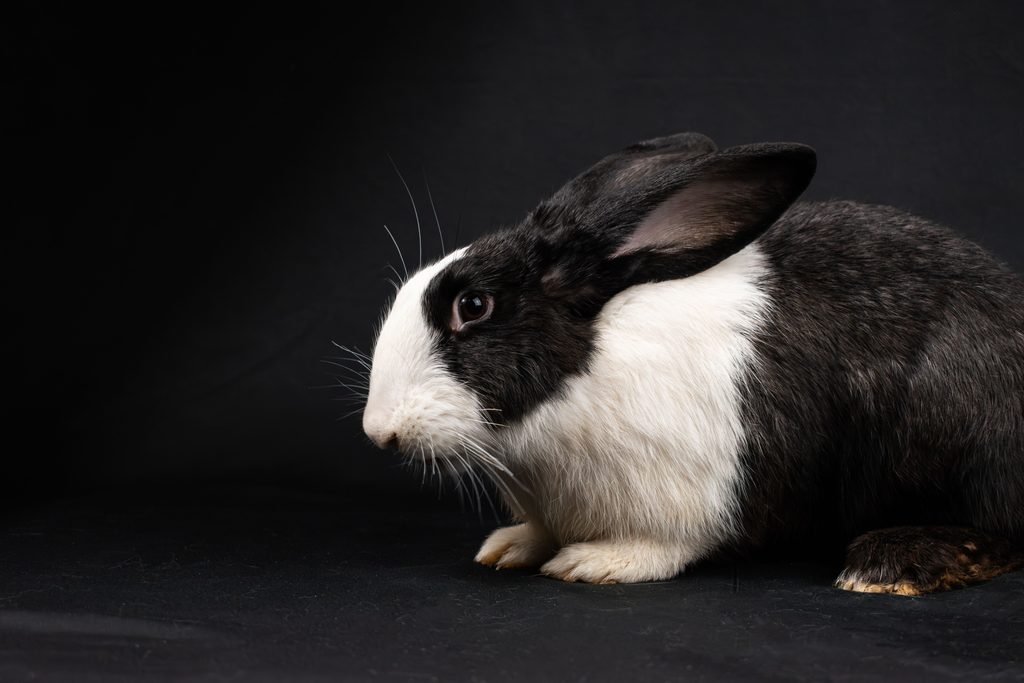
If you’re concerned about your rabbit’s hearing, observing familiar behavior is safer than attempting to force a reaction.
There are several practical steps you can take.
Observe Responses to Normal Household Sounds
Pay attention to how your rabbit responds to sounds that already occur during its usual routine. These might include your normal speaking voice or the quiet noises associated with preparing meals. Avoid introducing unusually loud noises or trying to startle your rabbit.
Compare Visual and Sound-Related Responses
Notice whether your rabbit reacts differently when it can see you compared with when you’re outside its field of vision. A consistent difference may be worth discussing with a veterinarian. However, visual movement, floor vibrations, and other sensory signals can affect the response.
Watch for Other Symptoms
Check for behavioral changes that might suggest an ear problem, including:
- Repeated ear scratching or head shaking.
- Redness, discharge, or an unusual odor around the ears.
- Changes in balance or head position.
- Reduced appetite or activity.
- Signs of discomfort around the ears.
Record Your Observations
If your rabbit is otherwise behaving normally, consider keeping a short record of changes. Note when the behavior began, which familiar sounds no longer attract attention, and whether other symptoms have appeared. Short videos of naturally occurring behavior may help your veterinarian understand the problem.
Remember: Home observations cannot confirm deafness, and they shouldn’t delay veterinary care.
What Causes Hearing Loss in Rabbits?
Several health conditions can affect a rabbit’s ability to hear. Identifying the underlying cause is important because some problems may be treatable.
Age-Related Hearing Changes
As rabbits grow older, their hearing may gradually deteriorate. However, not every senior rabbit experiences hearing loss, and reduced responsiveness shouldn’t automatically be attributed to age.
Ear Infections
Infections affecting the middle or inner ear can interfere with hearing and may cause additional symptoms. According to the Merck Veterinary Manual’s guide to rabbit ear disorders, these infections can also cause head tilt, difficulty maintaining balance, or rolling to one side. Some rabbits develop obvious symptoms, while others may have less noticeable changes.
Veterinary evaluation is important whenever an ear infection is suspected.
Excessive Earwax
A buildup of wax or other material may obstruct the ear canal and interfere with hearing. Some rabbits, particularly those with lop ears, are more susceptible to ear problems. Never insert cotton swabs or other objects into your rabbit’s ear canal. Attempting to remove earwax yourself can cause injury or worsen an existing condition.
Congenital Conditions or Previous Injuries
Some rabbits may have hearing difficulties from an early age. Others develop hearing impairment after an illness or injury. Understanding your rabbit’s medical history can help a veterinarian investigate possible causes.
Hearing Loss vs. Ear Infection: What Is the Difference?
A rabbit experiencing gradual hearing loss may otherwise appear comfortable and continue normal activities. A rabbit with an ear infection may develop additional symptoms, although some ear conditions occur without obvious external warning signs.
| Observation | Possible significance |
|---|---|
| Gradual loss of response to familiar sounds | May indicate reduced hearing |
| Repeated ear scratching or head shaking | May suggest irritation or ear disease |
| Ear discharge, redness, or unusual odor | Requires veterinary assessment |
| Head tilt or difficulty balancing | May indicate a serious ear or neurological problem |
| Reduced appetite or fewer droppings | May indicate illness requiring prompt care |
It’s particularly important to recognize balance problems.
The PDSA’s veterinary guidance on head tilt in rabbits explains that ear disease and neurological conditions can cause head tilt. A rabbit that suddenly develops head tilt, rolling, or loss of balance requires urgent veterinary assessment. Hearing changes alone cannot determine whether an infection is present.
When Should You Take Your Rabbit to the Veterinarian?
Arrange a veterinary appointment if your rabbit begins responding differently to familiar sounds, even if it otherwise appears healthy.
A veterinarian experienced with rabbits can examine the ears and assess possible causes. Depending on the findings, your veterinarian may recommend additional diagnostic tests or specialist evaluation. Specialized hearing tests may be available through some veterinary referral services, although they aren’t routinely accessible everywhere.
Seek urgent veterinary care if your rabbit develops:
- Sudden head tilt or loss of balance.
- Rolling or difficulty standing.
- Marked pain or distress.
- Refusal to eat or a significant reduction in droppings.
- Severe lethargy or other serious symptoms.
Avoid using ear cleaners, medications, or home remedies unless your veterinarian recommends them. Early assessment may help identify conditions that require treatment.
How to Care for a Deaf Senior Rabbit: 7 Practical Tips
A rabbit with hearing loss can still enjoy a comfortable life. The key is making its surroundings predictable, accessible, and safe.
1. Approach From Where Your Rabbit Can See You
Avoid approaching unexpectedly from behind. Move calmly into your rabbit’s field of vision and allow it to notice your presence before attempting contact. This reduces unnecessary startling and helps your bunny feel secure.
2. Use Consistent Visual Cues
Some rabbits can learn to associate familiar hand movements with everyday activities. For example, you might use the same gentle gesture whenever you offer food. Keep movements slow and consistent. Reward calm responses without forcing your rabbit to participate.
3. Keep Food, Water, and Litter Boxes in Familiar Locations
Rabbits with sensory changes may benefit from consistent surroundings. Try to keep feeding areas, water bowls, resting places, and litter boxes in predictable locations. Avoid repeatedly rearranging your rabbit’s living space. If your older rabbit also has mobility difficulties, our guide to the best litter box placement for rabbits with limited mobility explains how to arrange an accessible litter area.
A familiar layout helps your rabbit navigate everyday activities more confidently.
4. Provide Comfortable, Non-Slip Flooring
Senior rabbits may experience mobility problems alongside sensory changes. Slippery flooring can make movement difficult, especially for rabbits with arthritis or reduced strength. Choose surfaces that provide secure footing without creating tripping hazards. Washable mats and rugs can be useful when selected carefully. Our comparison of waterproof, non-slip flooring for senior rabbits explains practical options for creating a safer living environment.
5. Make Daily Movement Easier
Some older rabbits experience weak hind legs, stiffness, or difficulty jumping. When these issues occur alongside reduced hearing, a carefully arranged environment becomes especially important. Provide easy access to essential resources and avoid obstacles that require unnecessary climbing or jumping.
If your rabbit struggles with movement, see our article on helping senior rabbits with weak hind legs for practical home adjustments. Always seek veterinary advice about new mobility problems rather than assuming they’re caused by aging.
6. Make Litter Box Access Simple
A deaf senior rabbit may also struggle with high-sided litter trays, particularly if mobility has declined. Consider whether your rabbit can enter and leave its litter box comfortably. Low-entry designs may be useful for rabbits that have difficulty stepping over traditional tray edges.
Our guide to low-entry litter boxes for senior rabbits explain what to look for when regular trays are too high. Position the litter box somewhere familiar and accessible rather than moving it unnecessarily.
7. Continue Gentle Interaction and Enrichment
Hearing loss doesn’t mean your rabbit should stop exploring, playing, or enjoying companionship. Continue providing appropriate enrichment, opportunities for exercise, and positive social interaction. A compatible bonded rabbit may remain an important companion.
Pay attention to your rabbit’s comfort and adjust activities according to its individual needs. Maintaining a predictable daily routine can make interactions easier for a rabbit with reduced hearing.
Can a Deaf Rabbit Live a Happy Life?
Hearing loss doesn’t automatically prevent a rabbit from enjoying a good quality of life. Rabbits use several senses to understand their surroundings, including vision, smell, touch, and sensitivity to vibrations. A rabbit with hearing difficulties may become more reliant on visual cues and familiar routines.
With appropriate care, many deaf rabbits can continue exploring, eating, resting, and interacting with their companions. However, it’s important to investigate potential medical causes rather than assuming hearing loss is harmless. A comfortable home should complement veterinary care, not replace it.
Frequently Asked Questions About Deaf Rabbits
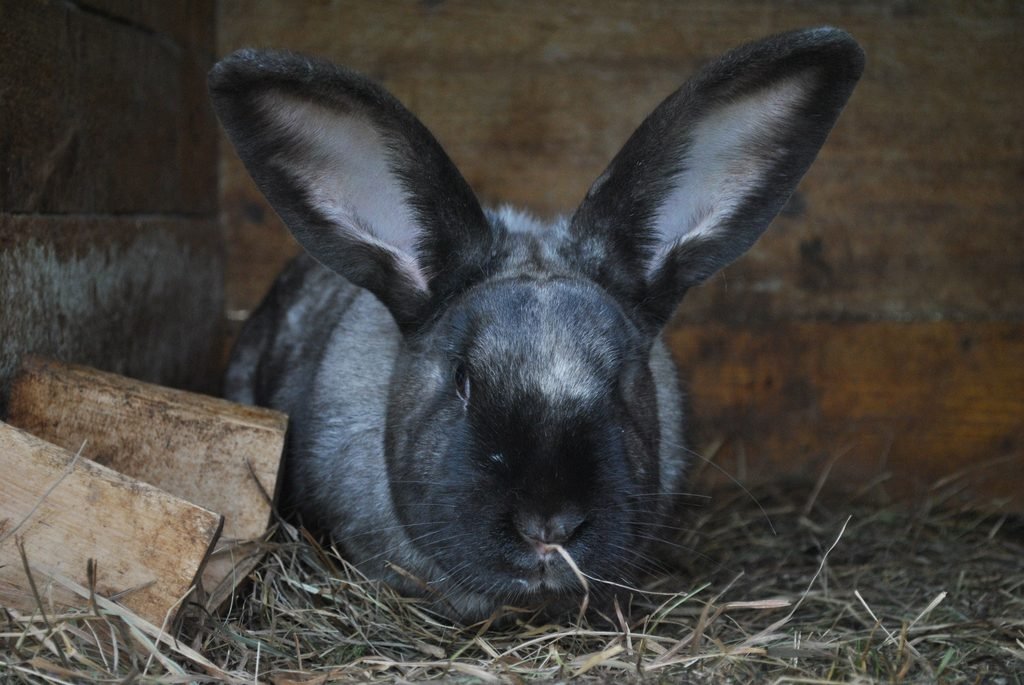
How Can I Tell If My Rabbit Is Deaf or Just Ignoring Me?
Look for consistent changes in how your rabbit responds to several familiar sounds. Rabbits sometimes ignore voices when relaxed or distracted. If your rabbit repeatedly responds to visual movements but no longer reacts to familiar sounds, reduced hearing is one possibility.
Do Rabbits Naturally Lose Their Hearing With Age?
Some rabbits experience reduced hearing as they grow older, but deafness isn’t inevitable. Ear infections, excessive earwax, and other medical conditions can also affect hearing.
Can Deaf Rabbits Still Hear Some Sounds?
Yes. Hearing loss can be partial rather than complete. Some rabbits may respond to certain sounds but not others. An inconsistent response doesn’t necessarily mean your rabbit is intentionally ignoring you.
Can Hearing Loss in Rabbits Be Reversed?
That depends on the underlying cause. Hearing impairment associated with some treatable ear conditions may improve with appropriate veterinary care. Other forms of hearing loss may be permanent. A veterinary examination is necessary to assess possible causes and treatment options.
Are Lop-Eared Rabbits More Likely to Have Hearing Problems?
Lop-eared rabbits have an increased risk of certain ear conditions, including problems associated with hearing impairment. However, having lop ears doesn’t automatically mean a rabbit is deaf. Regular veterinary checks and attention to behavioral changes remain important.
How Do You Communicate With a Deaf Rabbit?
Use calm movements, consistent visual signals, and predictable routines. Approach your rabbit from where it can see you. Avoid unexpected physical contact and allow it time to become comfortable with your presence.
Should I Test My Rabbit’s Hearing by Clapping Loudly?
Deliberately startling your rabbit with loud noises is unnecessary and may cause stress. Observing natural responses to familiar sounds is safer, although it cannot confirm hearing loss.
Final Thoughts: How to Tell If a Rabbit Is Deaf
Learning how to tell if a rabbit is deaf begins with recognizing changes in its usual behavior. A rabbit that stops responding to familiar sounds, startles when approached, or relies increasingly on visual cues may be experiencing reduced hearing. However, these signs cannot confirm deafness, and some hearing problems may be related to treatable medical conditions.
If you notice changes in your senior rabbit’s hearing or behavior, arrange a veterinary check. Seek urgent help if the changes occur alongside head tilt, balance problems, reduced appetite, or other signs of illness. With appropriate veterinary care, a familiar environment, and gentle communication, a rabbit with reduced hearing can continue living a comfortable and fulfilling life.
Medical note: This article is intended for general educational purposes and does not replace professional veterinary advice.