
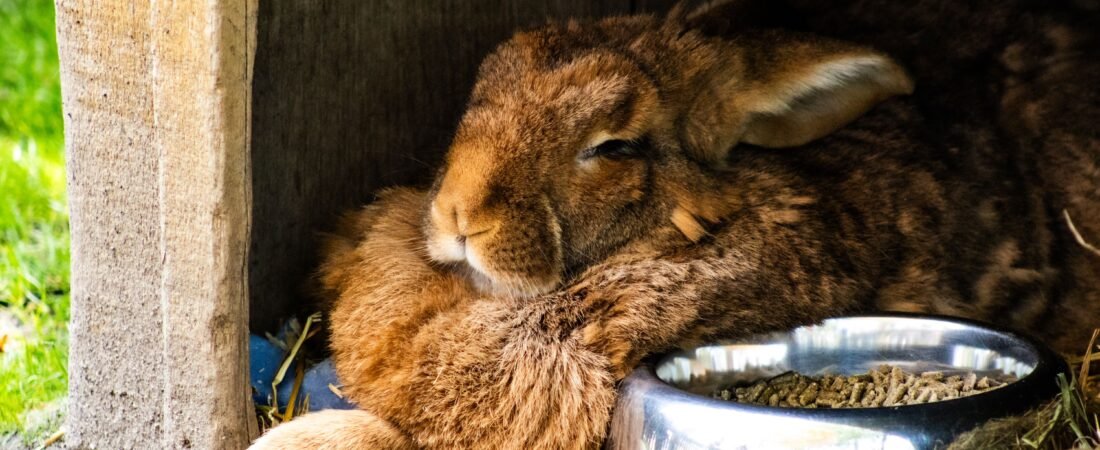
Is your rabbit sleeping a lot more than usual? It may be perfectly normal for your bunny to spend much of the day resting. Rabbits are naturally most active around dawn and dusk, so their quiet daytime behavior can sometimes look like excessive sleeping. However, a sudden increase in sleeping or inactivity can also signal pain, digestive trouble, or illness, particularly in an older rabbit.
The key is not simply how long your rabbit rests. It’s whether they are still eating normally, producing droppings, moving comfortably, and responding to their surroundings. If your senior rabbit has become less active or seems reluctant to move, our guide to senior rabbits with weak hind legs explains other mobility changes worth watching.
Important: If your rabbit is unusually unresponsive, struggling to breathe, unable to move, refusing food, or not producing droppings, contact an emergency rabbit-savvy veterinarian immediately. Do not wait to see whether they improve after a nap.
Rabbit Sleeping a Lot: What’s Normal and What’s Not?
Use this quick-reference table to help identify what may be normal and what needs attention.
| What you notice | What it might mean | What to do |
|---|---|---|
| Your rabbit rests during the day but is active around dawn or dusk | Normal daily rhythm | Continue observing their usual routine |
| Your older rabbit takes longer rests but eats, moves, and behaves normally | Possible age-related change | Monitor and mention the change at a routine veterinary checkup |
| Your rabbit rests more and seems stiff when getting up | Possible joint discomfort | Arrange a rabbit-savvy veterinary assessment |
| Your rabbit is quieter and eating less hay or fewer pellets | Possible pain, dental disease, or digestive illness | Contact your veterinarian immediately |
| Your rabbit is hunched, uncomfortable, or producing fewer droppings | Possible gastrointestinal problem | Seek urgent veterinary care |
| Your rabbit is limp, unresponsive, unable to move, or breathing abnormally | Possible medical emergency | Seek emergency veterinary treatment immediately |
Remember: A sleeping rabbit should not be confused with a lethargic rabbit. A resting rabbit can normally be roused and will resume familiar activities. A lethargic rabbit may remain unusually weak, withdrawn, or uninterested in food.
Why Is My Rabbit Sleeping a Lot? 7 Possible Reasons
There isn’t one explanation for every sleepy rabbit. The following possibilities range from ordinary behavior to conditions that require veterinary treatment.
1. Your Rabbit Is Following Their Natural Sleep Pattern
Rabbits are crepuscular, meaning they tend to be most active around dawn and dusk. They commonly alternate between resting, eating, grooming, and exploring throughout the day and night.
This means a rabbit that appears sleepy every afternoon may simply be following a normal routine.
The RSPCA Australia explains that rabbits are naturally most active around dawn and dusk, which is why they may spend much of the daytime resting.
Signs that resting may be normal include:
- Eating hay and other usual foods.
- Producing normal droppings.
- Grooming regularly.
- Moving comfortably when awake.
- Showing interest in familiar activities.
What to do: Observe your rabbit during the early morning and evening rather than judging their activity only during the middle of the day.
Avoid repeatedly waking them to check whether they’re active. Rabbits need uninterrupted rest, too.
2. Your Senior Rabbit Is Slowing Down With Age
Older rabbits may spend more time resting and move at a slower pace than they did when they were young. A senior rabbit might take longer breaks between activities or choose quieter ways to explore their surroundings. But age should never become an automatic explanation for a significant behavioral change.
A rabbit that suddenly stops exploring, avoids their favorite resting spots, or becomes reluctant to move may be uncomfortable rather than simply getting older.
What to do: Compare your rabbit’s behavior with their own normal routine, not with a younger rabbit’s activity level.
Pay attention to gradual changes in appetite, body weight, grooming, and mobility. Mention persistent changes to your veterinarian.
3. Warm Weather Is Affecting Their Activity
Rabbits often rest more during warmer parts of the day. However, there’s an important difference between choosing a cool resting place and becoming weak because of heat stress. Rabbits are vulnerable to overheating, particularly during hot weather or in poorly ventilated enclosures.
Warning signs can include:
- Rapid or unusual breathing.
- Very warm, reddened ears.
- Weakness or wobbliness.
- Drooling.
- Unusual lethargy or collapse.
What to do: Provide shade, ventilation, fresh water, and a cool resting area. Ensure your rabbit can move away from direct sunlight.
If you suspect heatstroke, treat it as an emergency. Move your rabbit to a cooler environment, begin gentle cooling as advised by a veterinarian, and seek immediate veterinary treatment. Never delay emergency care while trying home remedies.
4. Arthritis or Joint Pain Is Making Movement Uncomfortable
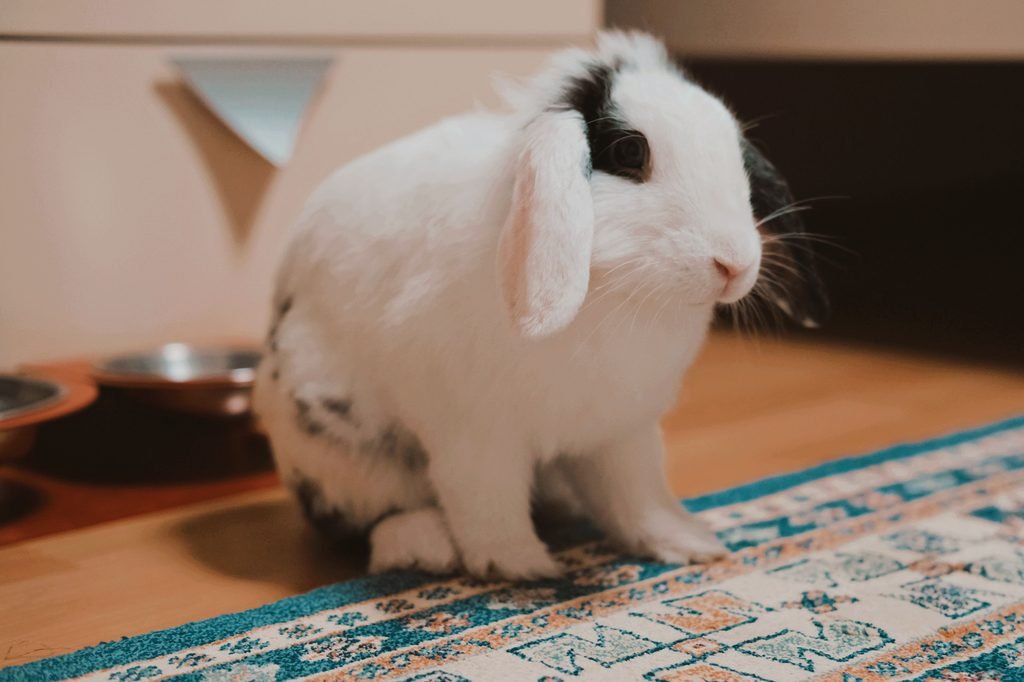
Arthritis is an important consideration when an older rabbit seems to sleep more. Sometimes a rabbit isn’t actually sleeping for longer. They may simply be staying in one position because moving hurts.
Signs of possible joint discomfort include:
- Stiffness after resting.
- Hesitation before hopping.
- Difficulty entering a litter box.
- Reluctance to jump or climb.
- Reduced grooming.
- Changes in how they sit or lie down.
For a senior rabbit, even a small obstacle can become difficult when joints are painful.
What to do: Arrange a veterinary assessment rather than assuming stiffness is normal aging.
While waiting for professional advice, make the environment easier to navigate. Provide non-slip flooring, soft, dry resting areas, and easy access to hay, water, and litter trays.
Never give human pain medication unless specifically prescribed by your veterinarian.
5. Dental Problems Are Reducing Their Energy
Dental disease can make eating painful and may cause a rabbit to become quieter or less active. Because rabbits need to chew fibrous foods regularly, problems with their teeth can affect both their nutrition and digestive health.
Possible warning signs include:
- Eating fewer strands of hay.
- Preferring softer foods.
- Dropping food while chewing.
- Drooling or having a wet chin.
- Weight loss.
- Smaller or fewer droppings.
A rabbit may still accept pellets or favorite foods while struggling with hay. Our article Rabbit Not Eating Hay but Eating Pellets? 7 Important Reasons explains why this pattern deserves attention.
What to do: Contact a rabbit-savvy veterinarian promptly if your rabbit’s eating habits change. Dental problems often require a proper examination of the back teeth, which owners cannot reliably inspect at home.
If your rabbit has stopped eating, seek emergency veterinary care.
6. Digestive Trouble Is Causing Lethargy
A rabbit that suddenly becomes quiet and stops eating may be experiencing gastrointestinal (GI) stasis or another serious digestive problem.
GI stasis occurs when normal movement through the digestive system slows down or stops. Pain, dental disease, dehydration, and other illnesses can contribute.
Warning signs include:
- Eating less or refusing food.
- Producing smaller, fewer, or no droppings.
- Sitting hunched.
- Showing signs of abdominal discomfort.
- Hiding or becoming unusually inactive.
These symptoms should not be mistaken for ordinary tiredness.
The PDSA warns that a rabbit eating less than normal can be seriously unwell, making changes in appetite particularly important to recognize early.
What to do: Contact your veterinarian immediately if your rabbit is eating less than normal or has reduced droppings. If eating or droppings have stopped, seek emergency care.
Do not force-feed, give gut medications, or attempt to treat a suspected blockage without veterinary instructions.
7. Another Illness or Underlying Weakness Is Affecting Their Behavior
Not every change in activity comes from sleep, age, or joint problems. An older rabbit may become unusually quiet because of another medical condition, infection, pain, or general weakness.
Sometimes the first clue is a combination of small changes rather than one obvious symptom.
Watch for:
- Unexplained weight loss.
- Changes in drinking or urination.
- Reduced interest in food.
- Difficulty moving.
- Unusual breathing.
- Changes in grooming or litter habits.
If your rabbit appears thinner despite continuing to eat, read our related guide, Rabbit Losing Weight but Still Eating? 7 Important Causes.
What to do: Arrange a veterinary examination for any persistent or unexplained change in behavior. A rabbit’s apparent sleepiness is not enough to diagnose the cause.
What to Do First if Your Rabbit Is Sleeping More Than Usual
If your rabbit is awake, responsive, and not showing emergency symptoms, use this simple five-point check.
1. Check Their Appetite
Are they eating their usual hay, greens, and pellets? Notice whether they’re choosing favorite treats but avoiding foods they normally eat.
Any meaningful reduction in appetite warrants immediate veterinary advice.
2. Look at Their Droppings
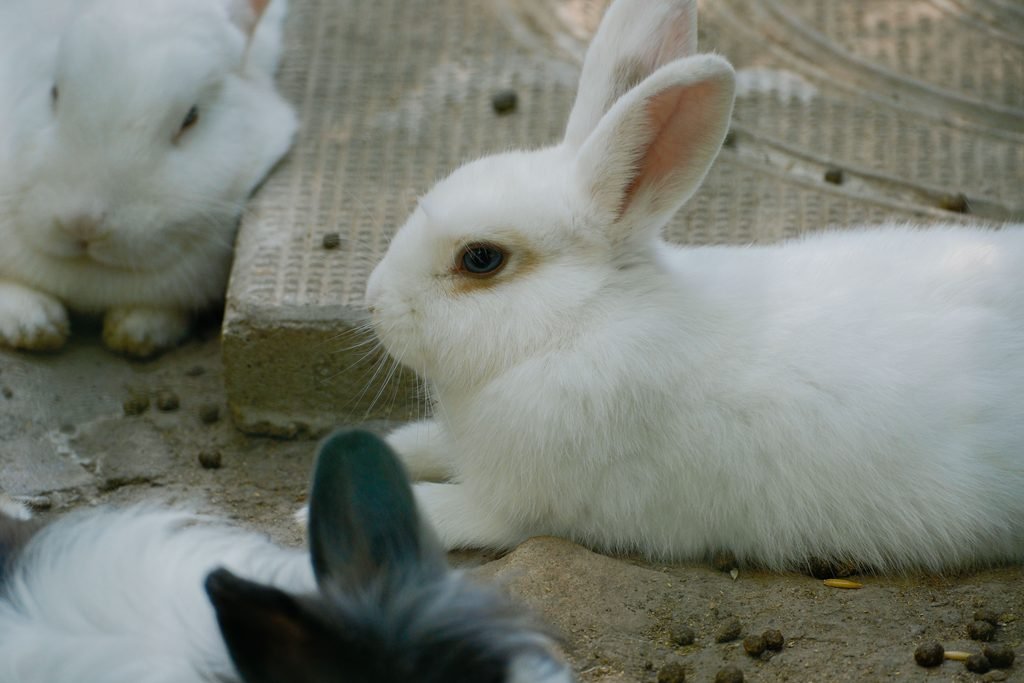
Check whether your rabbit is producing their usual quantity and size of droppings. Smaller, fewer, or absent droppings can be a sign of digestive trouble.
Do not wait for a full day to see whether droppings return.
3. Watch How They Move
Observe your rabbit getting up, turning, hopping, and entering their litter area.
Look for stiffness, hesitation, limping, or weakness.
Do not force a painful rabbit to exercise.
4. Check Their Breathing and Responsiveness
A resting rabbit should be responsive to normal, gentle interaction.
Labored breathing, open-mouth breathing, collapse, or difficulty waking are emergency warning signs.
Seek immediate veterinary care if you notice these symptoms.
5. Record Any Changes
Write down when the change started and whether it happened suddenly or gradually.
You can also note:
- Food eaten.
- Dropping quantity and appearance.
- Drinking habits.
- Movement and posture.
- Any weight changes.
A short video of unusual behavior may help your veterinarian understand what’s happening.
How to Help an Older Rabbit Rest Comfortably
Once a veterinarian has ruled out or is treating medical causes, a few environmental changes may make daily life easier.
Provide comfortable, non-slip flooring. Older rabbits may feel more secure on washable mats than on slippery tiles or hard surfaces.
Keep essentials within easy reach. Place hay, water, and a suitable litter box close to your rabbit’s preferred resting area.
Offer easy-entry litter boxes. High sides can be difficult for rabbits with stiff joints or limited mobility.
Maintain a predictable routine. Quiet resting spaces, familiar feeding times, and gentle interaction can reduce unnecessary stress.
Encourage appropriate movement. Give your rabbit opportunities to move and explore at their own pace, following your veterinarian’s advice if mobility is impaired.
The goal is not to make your senior rabbit more active at all costs. It’s to help them remain comfortable, mobile, and interested in their surroundings.
When Should You Worry About a Rabbit Sleeping Too Much?
A rabbit that simply rests during the afternoon may be behaving normally.
However, sudden or unexplained inactivity should never be ignored.
Seek emergency veterinary care if your rabbit:
- Stops eating or producing droppings.
- Is limp, collapsed, or unusually unresponsive.
- Cannot stand or move normally.
- Has difficulty breathing.
- Shows signs of heatstroke.
- Appears severely distressed or in significant pain.
Contact a rabbit-savvy veterinarian promptly for changes such as persistent stiffness, unexplained weight loss, reduced grooming, or noticeably decreased activity, even if your rabbit is still eating.
Do not assume an older rabbit is simply reaching the end of its life because it has become quieter. Some causes of reduced activity can be treated or managed.
Frequently Asked Questions
Is It Normal for Rabbits to Sleep All Day?
Rabbits commonly rest during daylight hours because they are naturally most active around dawn and dusk. However, a rabbit that is inactive throughout its usual active periods or shows other changes in behavior should be assessed by a veterinarian.
Why Is My Rabbit Sleeping More Than Usual but Still Eating?
Possible explanations include normal variations in activity, age-related changes, or discomfort. Continuing to eat is reassuring, but it does not rule out illness or pain. Check their droppings, weight, movement, and usual behavior, and seek veterinary advice if the change is unexplained or persistent.
Do Senior Rabbits Sleep More Than Younger Rabbits?
Some senior rabbits rest more and move more slowly. However, stiffness, arthritis, and other medical problems can also reduce activity. Significant changes should not automatically be attributed to age.
How Can I Tell Whether My Rabbit Is Sleeping or Lethargic?
A resting rabbit can generally be roused and returns to normal behavior when awake. A lethargic rabbit may remain unusually weak, withdrawn, or uninterested in food. If your rabbit is difficult to rouse or has other warning signs, seek urgent veterinary care.
Should I Wake My Rabbit if It Sleeps a Lot?
Healthy rabbits need uninterrupted rest. You do not need to wake a rabbit simply because it’s resting during the day. But if you suspect your rabbit is unresponsive or seriously unwell, seek immediate veterinary attention rather than leaving them to sleep.
Can Arthritis Make an Older Rabbit Appear Sleepy?
Yes. Arthritis may cause an older rabbit to remain still for longer because movement is uncomfortable. Watch for stiffness, difficulty hopping, reduced grooming, and trouble using the litter box. A veterinarian can assess pain and discuss suitable treatment.
Final Thoughts
If your rabbit is sleeping a lot, start by looking at the whole picture. Normal daytime resting is common, and some older rabbits naturally become less active. But a sudden change in behavior, reduced appetite, fewer droppings, or difficulty moving can indicate a medical problem.
For senior rabbits, the most helpful approach is to observe their usual routine, make their environment comfortable, and seek veterinary advice whenever something changes.
Your rabbit’s normal behavior is your best starting point. If something seems wrong, don’t dismiss it as old age.