
Have you noticed your rabbit’s ears feeling unusually cold when you touch them? It’s understandable to wonder whether something is wrong, especially if your bunny’s ears normally feel warm. The good news is that rabbit ears cold to the touch aren’t always a sign of illness. Rabbits use their ears to regulate body temperature, so ear warmth can change throughout the day.
However, cold ears deserve more attention when your rabbit also seems unusually quiet, stops eating normally, or shows signs of discomfort. If your bunny has become less active or is resting much more than usual, our guide to rabbit sleeping a lot and when to worry explains other behavioral changes that may indicate a health problem.
The important thing is not simply whether your rabbit’s ears feel cold, but how your rabbit is behaving overall. A healthy, active rabbit with cool ears is very different from one that feels cold, refuses food, and appears weak.
In this guide, we’ll explain why rabbit ears become cold, seven important things to check, when cold ears might signal an emergency, and how to keep senior rabbits warm and comfortable.
Why Are My Rabbit’s Ears Cold?
Rabbit ears contain an extensive network of blood vessels that help regulate body temperature. When a rabbit needs to release excess body heat, blood flow through the ears can increase, allowing warmth to escape into the surrounding air. When the environment becomes cooler, blood vessels in the ears can constrict, reducing heat loss. As a result, a rabbit’s ears may feel noticeably cooler even when its internal body temperature remains normal.
This natural process is called thermoregulation. The San Diego House Rabbit Society’s rabbit illness guidance discusses the importance of ear temperature alongside appetite, behavior, and other warning signs when evaluating a rabbit’s health. However, touching your rabbit’s ears cannot accurately measure its internal body temperature.
The key point: Cool ears alone don’t confirm illness, hypothermia, or a dangerous drop in body temperature. The surrounding environment and your rabbit’s overall condition matter much more.
7 Things to Check When Your Rabbit’s Ears Feel Cold
Before assuming something is wrong, consider these seven important factors.
1. Check Whether Your Rabbit Is Acting Normally
The first thing to assess is your rabbit’s behavior.
A rabbit with cold ears that is alert, moving comfortably, eating normally, and interacting as usual may simply be regulating its body temperature. For example, you might notice that your rabbit’s ears feel cooler after resting in a shaded area or spending time in a cooler room. If your bunny is otherwise behaving normally, cool ears alone are not necessarily concerning.
Normal behaviors to look for include:
- Eating hay and other usual foods.
- Moving around comfortably.
- Showing interest in familiar activities.
- Responding normally to its surroundings.
- Producing regular droppings.
- Resting in familiar, relaxed positions.
However, rabbits are naturally good at hiding illness.
A bunny that appears quiet or unusually withdrawn may be experiencing discomfort even without obvious symptoms.
What to remember: Compare your rabbit’s behavior with its usual daily routine rather than judging its health by ear temperature alone.
2. Check the Room Temperature and Surroundings
A cool environment is one of the simplest explanations for cold rabbit ears. Your rabbit’s ears may feel different depending on the temperature of the room, time of day, and exposure to drafts. For example, a rabbit resting near a drafty window or an air-conditioning vent may have cooler ears than one resting in a sheltered area.
Consider these questions:
- Is the room colder than usual?
- Is your rabbit sitting near an air conditioner?
- Is cold air entering through a window or doorway?
- Has the outdoor temperature dropped suddenly?
- Is your rabbit’s resting area protected from drafts?
According to the RSPCA’s winter rabbit care guidance, rabbits need dry, sheltered housing protected from cold winds and damp conditions.
Outdoor rabbits require particular attention during colder weather. Older rabbits, thin rabbits, and those with arthritis may need additional protection. If the environment seems too cold, move your rabbit to a comfortable, draft-free area without exposing it to sudden extreme temperature changes.
3. Check Whether Your Rabbit Is Eating Normally
Appetite is one of the most important indicators of rabbit health. A rabbit with cold ears that continues eating normally is generally less concerning than one that has also stopped eating. However, it’s important to check what your bunny is actually consuming. Some rabbits continue accepting treats or pellets even when they’re eating much less hay.
This can hide an underlying problem.
Our guide to why rabbits stop eating hay but continue eating pellets explains why selective eating may indicate dental discomfort or other health concerns.
Look for these changes:
- Refusing hay.
- Eating much smaller amounts than usual.
- Ignoring favorite foods.
- Taking longer to finish meals.
- Dropping food while chewing.
- Suddenly losing interest in eating.
Reduced appetite can be associated with pain, digestive problems, dental disease, or other illnesses. If your rabbit stops eating normally, contact a veterinarian immediately.
4. Check Your Rabbit’s Droppings
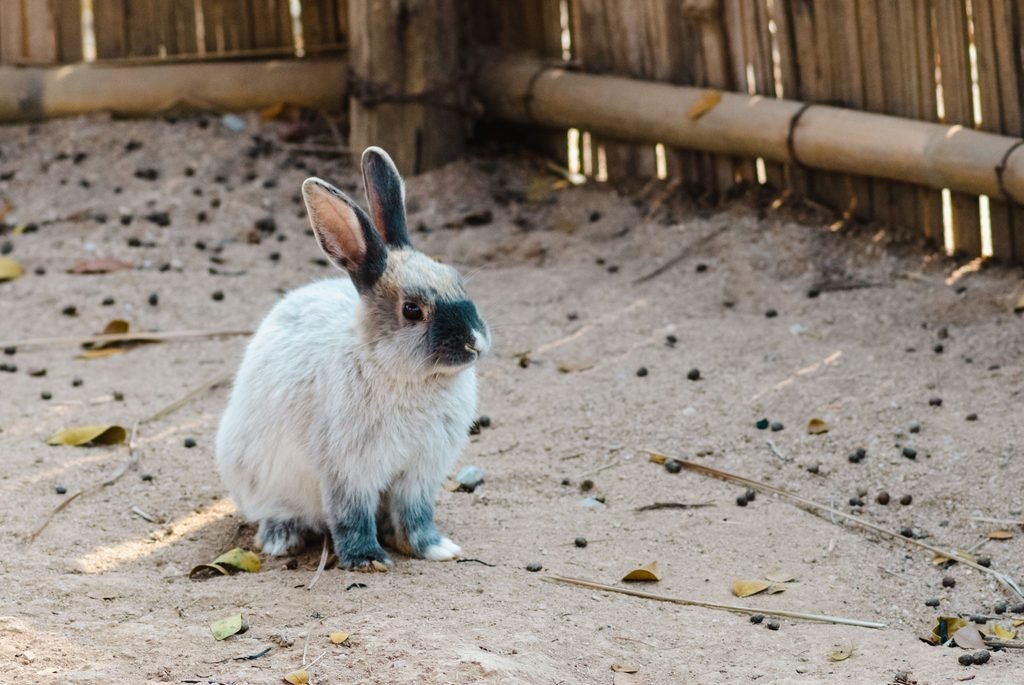
A rabbit’s droppings provide valuable information about digestive activity. Healthy rabbits normally produce regular, rounded fecal pellets throughout the day. If your rabbit’s ears feel cold, take a moment to check the litter area. Are the droppings normal in size, shape, and quantity?
Concerning changes include:
- Producing fewer droppings than usual.
- Very small or unusually dry fecal pellets.
- A sudden reduction in stool output.
- No new droppings.
- A noticeable change in eating habits alongside stool changes.
Reduced droppings may indicate that your rabbit is eating less or that gastrointestinal activity has slowed.
This can become serious quickly. A rabbit that stops eating and producing droppings requires urgent veterinary attention because gastrointestinal stasis and other conditions can become life-threatening. Do not wait for your rabbit’s ears to warm up before seeking help.
Normal-looking ears do not rule out digestive illness, and cold ears alone cannot diagnose it.
5. Check for Signs of Pain or Unusual Posture
Sometimes, a rabbit with cold ears is also experiencing pain or illness. Because rabbits are prey animals, they often hide discomfort until symptoms become more noticeable. One possible warning sign is an unusual body position. Your bunny may sit tightly hunched, avoid moving, or appear uncomfortable when resting.
Other possible signs include:
- Loud or persistent tooth grinding.
- Reluctance to move.
- Sitting hunched for extended periods.
- Pressing the abdomen toward the floor.
- Reduced interest in interaction.
- Unusual aggression or withdrawal.
It’s important to distinguish normal, quiet tooth purring from tooth grinding associated with discomfort. Our article on rabbit grinding teeth and the difference between happiness and pain explains how body language can help identify concerning behavior.
If your rabbit appears painful, contact a veterinarian promptly. Cold ears accompanied by marked pain, weakness, or unusual posture require urgent veterinary assessment.
6. Check Whether Your Rabbit Is Weak, Unusually Still, or Lethargic
This is one of the most important checks. A rabbit that has cool ears but continues normal activities may simply be regulating its body temperature. However, a rabbit that feels cold and is unusually weak or unresponsive may be seriously ill.
Possible warning signs include:
- Lying unusually still.
- Difficulty standing or moving.
- Appearing limp or floppy.
- Showing little interest in food.
- Failing to respond normally.
- Having difficulty maintaining balance.
- Breathing abnormally.
These symptoms may occur with serious illness, shock, or hypothermia.
Hypothermia occurs when an animal’s internal body temperature becomes dangerously low. It can develop following significant cold exposure or as a complication of severe illness. The PDSA’s veterinary guidance on hypothermia explains that severely cold animals may become weak, drowsy, confused, or collapse. If your rabbit is limp, unresponsive, or struggling to breathe, seek emergency veterinary care.
7. Check Whether Your Rabbit Is Wet or Exposed to Cold Conditions
Wet fur and cold surroundings can increase heat loss. This is particularly important for outdoor rabbits and older rabbits that have difficulty grooming themselves. For example, a rabbit sitting on damp bedding may become uncomfortable and lose body heat more quickly.
Likewise, rain, condensation, or a leaking water bottle can leave the living area wet.
Check for:
- Damp bedding.
- Wet flooring.
- Water leaking into the enclosure.
- Cold drafts around sleeping areas.
- Wet fur around the feet or underside.
- Inadequate shelter from rain or wind.
Keeping the litter area clean and dry is especially important for senior rabbits with reduced mobility. Our guide to keeping a senior rabbit’s litter area clean and dry provides practical tips for maintaining a comfortable, hygienic environment.
If your rabbit is wet, gently dry its fur with a soft towel and provide a sheltered, comfortably warm place. If it also appears weak, unusually cold, or distressed, contact a veterinarian immediately.
Rabbit Ears Cold but Acting Normal: Should You Worry?
This is one of the most common concerns among rabbit owners. If your bunny’s ears feel cold but it is eating, drinking, moving normally, and producing regular droppings, the temperature difference may reflect normal thermoregulation. For example, you might notice cooler ears during the early morning or after your rabbit rests in a shaded area.
Ear temperature can also change as blood flow adjusts. However, it’s important not to use normal behavior as a guarantee that everything is fine. Some illnesses develop gradually. If the coolness is unusual for your rabbit, persists alongside other changes, or concerns you, contact your veterinarian.
Cold Ears: Normal or Concerning?
| What you notice | What it may mean | Recommended action |
|---|---|---|
| Cold ears, normal appetite, normal behavior | May reflect normal temperature regulation | Check the environment and observe your rabbit |
| Cold ears after resting in a cool room | May reflect environmental temperature | Ensure a comfortable, draft-free resting area |
| Cold ears with fewer droppings | May indicate reduced food intake or digestive illness | Seek prompt veterinary advice; urgent if droppings are markedly reduced |
| Cold ears with appetite loss | Possible serious illness | Contact a veterinarian immediately |
| Cold ears with weakness or collapse | Possible hypothermia, shock, or another emergency | Seek emergency veterinary care |
| Cold ears with severe pain or abnormal breathing | Possible serious medical problem | Seek emergency veterinary care |
Remember: Ear temperature alone cannot determine your rabbit’s internal body temperature.
How Can You Tell If Your Rabbit Is Too Cold?
A rabbit that’s genuinely too cold may show more than cool ears. Depending on the circumstances, you might notice unusual inactivity, weakness, reluctance to move, or changes in normal behavior. Rabbits exposed to cold conditions may seek more sheltered locations and spend additional time resting in protected areas.
However, a rabbit suffering from severe illness may also have a dangerously low body temperature without having been exposed to extreme outdoor cold.
Possible warning signs include:
- Unusual weakness or lethargy.
- Reduced responsiveness.
- A body that feels abnormally cold.
- Difficulty standing.
- Refusal to eat.
- Collapse or severe distress.
These symptoms require urgent veterinary assessment. The only reliable way to establish internal body temperature is through an appropriate measurement, not by touching the ears. If your veterinarian has taught you how to measure your rabbit’s temperature safely, follow their instructions.
Otherwise, don’t attempt an unfamiliar procedure on a sick or struggling rabbit, especially if it could delay emergency care.
Rabbit Cold Ears and Not Eating: Is It an Emergency?
Cold ears combined with refusal to eat can indicate a serious problem and require immediate veterinary advice. Rabbits depend on continuous food intake to support normal gastrointestinal activity. When a rabbit stops eating, digestive movement may slow, and other complications can develop.
Possible causes include:
- Dental pain.
- Gastrointestinal stasis.
- Abdominal discomfort.
- Infection.
- Significant dehydration.
- Other serious medical conditions.
Cold ears do not identify which condition is responsible. Instead, they may be one of several signs that your rabbit is unwell. Do not wait until the following morning to see whether your rabbit starts eating again. Avoid force-feeding or administering medications unless directed by a veterinarian, particularly when a blockage or other emergency has not been ruled out.
What Should You Do If Your Rabbit’s Ears Are Cold?
The correct response depends on how your rabbit is behaving.
If Your Rabbit Is Acting Normally
Check the surrounding temperature and make sure the living area is dry, comfortable, and protected from drafts. Observe normal eating, drinking, droppings, and activity. Avoid unnecessary warming if your rabbit is already comfortable.
If Your Rabbit Appears Unwell
Contact a veterinarian
While arranging veterinary care:
- Move your rabbit away from cold drafts into a sheltered, comfortably warm environment.
- If the fur is wet, gently dry it with a towel.
- Keep handling calm and minimal.
- Use a secure carrier for transportation.
- Follow the veterinarian’s instructions.
If you suspect hypothermia, seek emergency treatment. Do not use hair dryers, direct heating pads, very hot water bottles, or intense heat against your rabbit’s body. These methods can cause burns, overheating, or additional stress.
Any supplemental warmth used during transport should be gentle, insulated, and provided according to veterinary guidance. A rabbit that appears severely ill needs professional treatment, not simply a warmer enclosure.
How to Keep a Senior Rabbit Warm and Comfortable
Older rabbits can be more vulnerable to environmental changes, especially when they have arthritis, reduced mobility, or low body weight. Fortunately, several practical home adjustments can improve comfort.
1. Provide a Dry, Sheltered Resting Area
Make sure your senior rabbit has a comfortable place to rest away from cold drafts. For outdoor rabbits, provide a weatherproof shelter protected from wind and rain. Keep bedding clean and dry. Replace damp material promptly.
2. Choose Comfortable, Non-Slip Flooring
Older rabbits may struggle to move across smooth surfaces. Non-slip flooring can help provide secure footing while protecting against damp or uncomfortable surfaces. Our guide to waterproof, non-slip flooring for senior rabbits compares practical options for making their living spaces safer and easier to maintain.
Avoid flooring that becomes slippery when wet or stays damp for extended periods.
3. Keep Food and Water Within Easy Reach
A rabbit with arthritis or weak hind legs may struggle to reach elevated feeding areas. Place hay, water, and food bowls somewhere accessible. Avoid requiring your bunny to jump over obstacles to reach essential resources.
4. Make Movement Easier
Some senior rabbits experience stiffness or reduced hind-leg strength. These problems can make it harder to move between warmer resting areas and other parts of the enclosure. Our guide to helping senior rabbits with weak hind legs explains practical ways to improve accessibility and everyday comfort.
New weakness or difficulty moving should always be assessed by a veterinarian.
5. Provide Safe Warmth Without Overheating
If your rabbit needs additional warmth, make sure it can move away from the heat source whenever it chooses. Use only rabbit-appropriate warming products according to their instructions and your veterinarian’s advice. Keep electrical cords inaccessible and prevent direct contact with hot surfaces. Avoid placing your rabbit in an excessively heated or poorly ventilated enclosure. Rabbits can suffer from heat stress as well as cold-related problems.
6. Monitor Body Condition and General Health
Thin rabbits may have less insulation and can be more vulnerable to cold conditions. If your older rabbit appears to be losing weight, ask your veterinarian to investigate possible causes. Weight loss should not automatically be attributed to aging. Regular veterinary examinations can help identify dental disease, pain, and other conditions that affect senior rabbits.
7. Maintain Normal Exercise and Companionship
Even during colder weather, rabbits need opportunities for movement, enrichment, and social interaction. A compatible bonded companion can provide social comfort, and rabbits should have appropriate sheltered areas where they can rest together or separately.
Avoid confining your rabbit to a small enclosure simply to keep it warm. The goal is a comfortable environment that supports normal rabbit behavior.
Can Rabbits Get Hypothermia?
Rabbits can develop hypothermia when their internal body temperature becomes dangerously low. This may occur because of significant cold exposure, particularly when a rabbit is wet or unable to find adequate shelter. It can also develop in connection with serious illness. Young, elderly, thin, and unwell rabbits may be particularly vulnerable.
However, cold ears alone do not mean your rabbit has hypothermia. A rabbit with hypothermia may become weak, unusually still, poorly responsive, or collapse. These are emergency symptoms. If you suspect hypothermia, contact an emergency veterinarian immediately.
Keep your rabbit sheltered from further cold exposure and follow professional advice about safe warming during transport.
Frequently Asked Questions About Cold Rabbit Ears
Is It Normal for My Bunny to Have Cold Ears?
Yes, rabbits can have cool ears as part of normal body temperature regulation. This is especially likely when the surrounding environment is cooler. If your rabbit is eating, drinking, moving normally, and producing regular droppings, cool ears alone aren’t necessarily a sign of illness. However, sudden changes accompanied by unusual behavior require veterinary attention.
What Does It Mean if a Rabbit’s Ears Are Cold?
Cold ears may simply reflect reduced blood flow through the ears as your rabbit regulates its body temperature. However, unusually cold ears can also occur with illness or low internal body temperature. The surrounding temperature, appetite, movement, and other symptoms help determine how concerning the situation may be.
Can Rabbits Die From Being Too Cold?
Severe hypothermia can be life-threatening. Rabbits exposed to prolonged cold, wet conditions, or serious illness may develop dangerously low body temperatures.
If your rabbit is weak, collapsed, unresponsive, or showing other severe symptoms, seek emergency veterinary care immediately.
Why Are My Rabbit’s Ears Cold but Its Body Feels Warm?
Rabbit ears can feel cooler than the rest of the body because they help regulate heat loss. The ears contain blood vessels that adjust blood flow according to temperature needs. A warm-feeling body and cool ears can occur in a healthy rabbit. However, touching the body is not an accurate way to confirm normal internal temperature.
Why Are My Rabbit’s Ears Cold at Night?
Cooler nighttime temperatures can cause changes in blood flow through the ears. Your rabbit may also be less active or resting in a cooler location. If your bunny behaves normally, the difference may simply reflect environmental conditions. However, cold ears accompanied by appetite loss, weakness, or unusual lethargy require veterinary attention.
Should I Warm My Rabbit’s Ears With My Hands?
Gently touching your rabbit’s ears during normal interaction is generally harmless if your bunny is comfortable with being handled. However, rubbing or warming the ears is not a treatment for hypothermia or illness.
If your rabbit appears genuinely cold or unwell, focus on getting veterinary advice rather than trying to change ear temperature directly.
Are Cold Ears a Sign That My Rabbit Is Dying?
Cold ears alone cannot determine whether a rabbit is dying or seriously ill. However, cold ears accompanied by collapse, severe weakness, unresponsiveness, or refusal to eat can indicate a life-threatening emergency. Seek immediate veterinary care if these symptoms occur.
Do Rabbits Hibernate in Cold Weather?
Domestic rabbits do not hibernate. They still need regular food, fresh water, movement, companionship, and appropriate shelter throughout winter. A rabbit that becomes unusually sleepy, weak, or unresponsive during cold weather may be ill and should be assessed by a veterinarian.
Can Senior Rabbits Feel the Cold More Than Younger Rabbits?
Some senior rabbits may be more vulnerable to cold conditions, especially if they are thin, have arthritis, or suffer from another health problem. Providing dry bedding, sheltered resting spaces, and easy access to resources can improve their comfort. Any new weakness, weight loss, or unusual behavior should also be assessed by a veterinarian.
Final Thoughts: Rabbit Ears Cold and When to Worry
If you’ve noticed your rabbit ears cold to the touch, remember that cool ears are not automatically a sign of illness. Rabbits naturally adjust blood flow through their ears to help regulate body temperature, so ear warmth can change during the day.
What matters most is how your rabbit is behaving. A bunny with cool ears that continues eating, drinking, moving normally, and producing regular droppings may simply be responding to its environment.
However, cold ears accompanied by appetite loss, fewer droppings, pain, unusual lethargy, or weakness require prompt veterinary attention. Collapse, severe weakness, or abnormal breathing should be treated as an emergency.
For senior rabbits, providing a dry, sheltered home, comfortable flooring, accessible food and water, and regular veterinary care can make everyday life safer and more comfortable. By paying attention to your rabbit’s overall behavior rather than ear temperature alone, you’ll be better prepared to recognize when something needs attention.
Medical disclaimer: This article is intended for general educational purposes and does not replace professional veterinary advice, diagnosis, or treatment.