
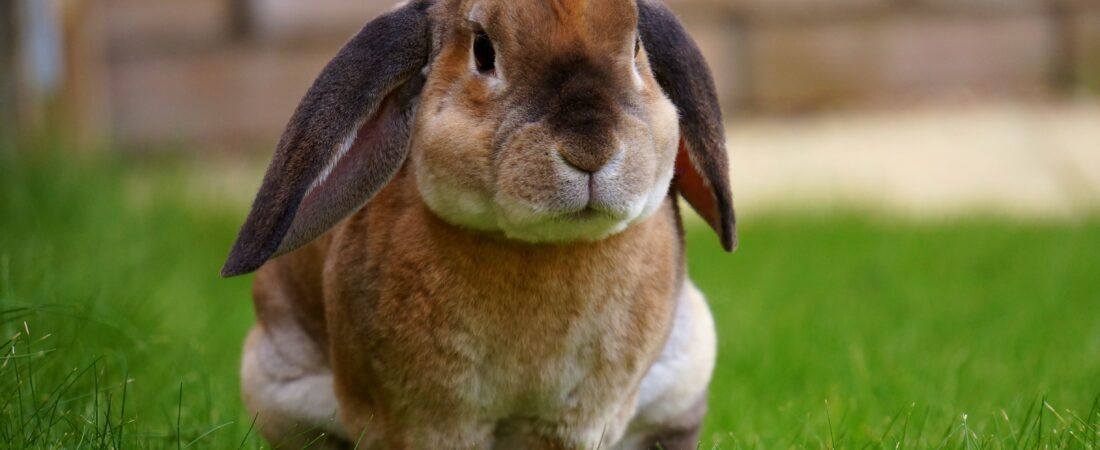
Have you noticed your rabbit suddenly shaking its head, flicking its ears, or making unusual movements while resting? A brief head shake can be perfectly normal, but repeated shaking may signal irritation, pain, or a medical problem.
A rabbit shaking its head occasionally may simply be adjusting its ears, grooming, or reacting to excitement. However, frequent head shaking, especially with scratching, ear discharge, head tilt, or changes in balance, can indicate an underlying health condition.
For senior rabbits, new head movements deserve particular attention. Older rabbits may already have changes in mobility or activity, making it harder to recognize early signs of illness.
The most important thing is to observe when the shaking happens, how often it occurs, and whether your rabbit is behaving normally otherwise. If your rabbit is also unusually quiet or resting more than normal, our guide to why rabbits sleep a lot explains how to distinguish ordinary rest from concerning lethargy.
In this guide, we’ll explore seven possible causes of head shaking, what different symptoms may mean, and when your rabbit needs veterinary attention.
Is It Normal for a Rabbit to Shake Its Head?
Yes. Rabbits sometimes make quick head movements during grooming, excitement, or normal activity. For example, a rabbit may briefly shake its head after scratching an ear or while preparing to run around. Some rabbits also make playful head movements during a burst of excitement, particularly when performing a binky, the joyful jump and twist associated with happy rabbits.
However, repeated shaking without an obvious explanation is different from an occasional playful movement.
Normal Head Shaking vs. Concerning Head Shaking
| What to observe | Usually less concerning | Possible warning sign |
|---|---|---|
| Frequency | Occasional, brief movement | Repeated or persistent shaking |
| Timing | During grooming or playful activity | While resting or without an obvious trigger |
| Ears | Normal appearance | Crusting, redness, discharge, or swelling |
| Scratching | Occasional ear scratching | Frequent or forceful scratching |
| Head position | Returns to a normal position | Persistent tilt to one side |
| Balance | Normal hopping and coordination | Stumbling, circling, or falling |
| Appetite | Eating normally | Reduced appetite or refusing food |
These signs can help you assess the situation, but they cannot confirm a diagnosis.
A rabbit can have an ear problem without shaking its head at all. This is particularly important for lop eared rabbits, which may develop hidden ear disease.
If your rabbit has a new head tilt, difficulty balancing, or other unusual movements, seek veterinary advice promptly.
1. Normal Grooming, Excitement, or Playful Behavior
Not every bunny head shake indicates illness.
Rabbits use their ears to respond to sounds, communicate, and regulate body temperature. A quick shake may simply reposition the ears or follow a normal grooming movement.
You may notice a brief head shake when your rabbit:
- Finishes scratching an ear.
- Grooms its face.
- Becomes excited during play.
- Starts running around.
- Performs a binky.
- Reacts to a new sound or sensation.
Why Does My Rabbit Shake Its Head When Running?
Some rabbits make quick head movements during playful bursts of energy. If your rabbit shakes its head, jumps, twists, and continues running comfortably, the movement may be part of normal excited behavior.
Look at the entire situation. A rabbit that is eating normally, moving confidently, and behaving as usual is generally less concerning than one that repeatedly shakes its head while sitting still.
What About Senior Rabbits?
Older rabbits can still show playful behavior, although their movements may be less energetic.
A senior rabbit that briefly flicks its head during an enjoyable activity may simply be expressing excitement.
However, a new or noticeably different movement should not automatically be interpreted as play, especially if your rabbit also appears uncomfortable.
2. Ear Irritation or Excessive Wax Buildup
One possible explanation for repeated rabbit ear shaking is irritation inside the ear.
Rabbits normally produce ear wax, which helps protect the ear canal.
However, excessive wax or debris can sometimes contribute to discomfort and may be associated with underlying ear disease.
Signs of Ear Irritation
You might notice:
- Frequent head shaking.
- Scratching near one ear.
- Avoiding touch around the ears.
- Unusual wax or debris.
- A new change in how one ear is held.
- Reduced interest in normal activities.
Not every rabbit with ear disease displays these symptoms.
Are Lop Eared Rabbits More Vulnerable?
Yes. Lop eared rabbits are particularly susceptible to certain ear problems because their ear shape can interfere with normal ventilation and wax clearance.
The Royal Veterinary College has reported that some rabbits develop significant ear disease without obvious outward symptoms.
This means a rabbit may appear comfortable while inflammation or infection develops deeper inside the ear.
What Should You Do?
If your rabbit repeatedly shakes its head or shows signs of ear discomfort, arrange a veterinary examination.
Avoid inserting cotton swabs or other objects into the ear canal. Do not attempt to remove deep wax or flush your rabbit’s ears without veterinary instructions.
A veterinarian can examine the ear canal using appropriate equipment and determine whether wax buildup, inflammation, or another problem is present.
3. Ear Mites Can Cause Itching and Head Shaking
Ear mites are tiny parasites that can cause painful irritation inside a rabbit’s ears.
One common rabbit ear mite is Psoroptes cuniculi.
These mites can cause inflammation, itching, and crusty material inside the ears.
Signs of Rabbit Ear Mites
Watch for:
- Repeated head shaking.
- Frequent scratching around the ears.
- Thick crusts or scabs inside the ear.
- Red or irritated skin.
- Discomfort when the ears are touched.
- Changes in normal behavior.
Some rabbits develop pronounced crusting, while others may show less obvious symptoms.
Rabbit Scratching Ears and Shaking Head: Does It Mean Mites?
Ear mites are one possibility, but infections, irritation, and other ear conditions can cause similar symptoms. The PDSA guide to fleas, mites, and lice in rabbits explains that ear mites can cause painful, crusty ears and require appropriate veterinary treatment.
How Are Ear Mites Treated?
A veterinarian may examine the ears and prescribe medication suitable for rabbits. If mites are confirmed, other rabbits in the household and their environment may also need treatment.
Never pull thick crusts away from an affected ear. Doing so can tear the underlying skin and cause significant pain. Also, do not use parasite treatments intended for dogs or cats unless a veterinarian specifically prescribes them for your rabbit.
4. Ear Infections May Cause Repeated Head Shaking
Ear infections are another possible explanation for a rabbit repeatedly shaking its head. Infections may affect the outer ear canal or extend into deeper ear structures. Some rabbits show obvious discomfort, while others hide their symptoms.
Possible Signs of an Ear Infection
These may include:
- Frequent head shaking.
- Scratching or rubbing the ears.
- Discharge or an unusual odor.
- Redness or swelling.
- Reluctance to have the ears touched.
- Reduced appetite.
- Unusual quietness or withdrawal.
An infection deeper inside the ear may not produce visible discharge.
Why Senior Rabbits Need Careful Monitoring
Older rabbits may have an established routine that involves more resting and less energetic activity. This can make subtle signs of discomfort difficult to recognize. For example, a senior rabbit with ear pain may appear less interested in exploring or interacting rather than showing obvious distress. If your rabbit also makes unusual grinding sounds, our guide to rabbit teeth grinding and signs of pain explains other behaviors worth monitoring.
What Should You Do?
Contact a rabbit experienced veterinarian if you suspect an ear infection. Treatment depends on the location and cause of the infection. Your veterinarian may recommend an ear examination, diagnostic imaging, or other tests. Avoid using leftover ear drops or human medications. Some treatments can be harmful when the eardrum is damaged, so the ear needs an appropriate assessment before medication is used.
5. Dental Pain or Other Discomfort May Accompany Unusual Head Movements
Sometimes owners notice head shaking alongside symptoms that suggest discomfort elsewhere. Dental disease is particularly important to consider in rabbits because their teeth grow continuously. Overgrown teeth, dental infections, and other mouth problems can cause significant pain.
However, head shaking by itself is not a reliable sign of dental disease. It becomes more meaningful when combined with changes in eating or other symptoms.
Signs That May Point Toward Dental Discomfort
Look for:
- Eating less hay.
- Dropping food while chewing.
- Taking longer to finish meals.
- Drooling or a wet chin.
- Weight loss.
- Reduced grooming.
- Teeth grinding associated with discomfort.
What About Older Rabbits?
Senior rabbits may develop dental problems even after years of apparently healthy eating. A rabbit that suddenly begins avoiding hay, losing weight, or behaving differently should be assessed by a veterinarian.
If unusual head movements occur alongside these changes, explain the complete pattern to your veterinarian rather than focusing on the head shaking alone. A dental examination may be recommended when symptoms suggest an oral problem.
6. Middle or Inner Ear Disease Can Affect Balance
One of the more serious concerns is disease affecting the middle or inner ear. The inner ear plays an important role in balance. When this area becomes inflamed or infected, a rabbit may develop abnormal head positioning or difficulty coordinating its movements.
Warning Signs of a Balance Problem
Look for:
- A persistent head tilt.
- Leaning to one side.
- Walking in circles.
- Stumbling or falling.
- Rapid, involuntary eye movements.
- Difficulty standing normally.
- Rolling uncontrollably.
These symptoms are different from an occasional head shake.
Rabbit One Ear Down and Shaking Head: Should You Worry?
Sometimes rabbits hold their ears in different positions while listening or relaxing. However, if one ear suddenly droops, the rabbit repeatedly shakes its head, or the head itself remains tilted, arrange a veterinary examination. A new head tilt is particularly important because it may indicate a problem affecting the inner ear or nervous system.
What Should You Do if Your Rabbit Develops a Head Tilt?
Contact a veterinarian promptly. If your rabbit is falling, rolling, unable to stand, distressed, or refusing food, seek emergency veterinary care immediately.
Keep your rabbit in a quiet, secure area while arranging help. Remove obstacles and prevent falls. Do not attempt to straighten or force the head into a different position.
7. Neurological Conditions, Including E. Cuniculi
Not all abnormal head movements originate in the ears. Some rabbits develop neurological problems that affect posture, balance, or coordination.
One important condition is Encephalitozoon cuniculi, commonly called E. cuniculi.
This microscopic parasite can affect the nervous system, kidneys, and other organs.
Possible Signs of Neurological Illness
Symptoms may include:
- A persistent head tilt.
- Loss of balance.
- Weakness in the hind legs.
- Uncontrolled rolling.
- Tremors.
- Abnormal eye movements.
- Seizures.
- Changes in urination.
These symptoms can have several possible causes, so they do not automatically mean a rabbit has E. cuniculi. The PDSA guide to head tilt in rabbits identifies inner ear infections and E. cuniculi among the most common causes of head tilt.
Why This Matters for Senior Rabbits
An older rabbit that suddenly becomes unsteady may appear to be experiencing ordinary age-related weakness. However, new balance problems, head tilt, or uncontrolled movements should never be dismissed as aging.
A veterinarian may need to investigate ear disease, E. cuniculi, injury, or other neurological conditions. Early assessment is important because treatment and supportive care depend on the underlying cause.
What if Your Rabbit Is Sneezing and Shaking Its Head?
Some rabbit owners notice head shaking alongside sneezing. An occasional sneeze may occur when a rabbit encounters dust or another mild irritant. However, repeated sneezing, especially with nasal discharge, deserves attention.
Possible Warning Signs
- Frequent sneezing.
- Wet or crusty fur around the nose.
- Nasal or eye discharge.
- Reduced appetite.
- Unusual breathing sounds.
- Head shaking accompanied by other signs of illness.
Respiratory infections can affect rabbits and may require veterinary treatment. If your rabbit is sneezing repeatedly or has discharge, arrange a veterinary examination.
What About Head Bobbing While Breathing?
Head bobbing in time with breathing is not the same as an ordinary head shake.
If your rabbit appears to be using its head or whole body to breathe, is breathing with noticeable effort, or is open mouth breathing, seek emergency veterinary care. Do not wait to see whether the movement stops on its own.
What to Do When Your Rabbit Keeps Shaking Its Head
If your rabbit’s head shaking is new or repeated, these steps can help you gather useful information without causing additional discomfort.
Step 1: Observe When It Happens
Is your rabbit shaking its head while grooming, playing, eating, or sitting quietly? A quick movement during a binky is different from repeated shaking while resting.
Step 2: Check the Ears From the Outside
Look for obvious redness, swelling, discharge, or crusting. Do not insert anything into the ear canal or attempt deep cleaning.
Step 3: Watch Appetite and Droppings
Check whether your rabbit is eating its usual foods and producing normal droppings. Reduced appetite is especially concerning in rabbits and should never be ignored.
Step 4: Observe Walking and Balance
Notice whether your rabbit can hop, turn, and stand comfortably. Head tilt, circling, falling, or uncontrolled rolling requires prompt veterinary attention.
Step 5: Record a Short Video
If it is safe to do so, record the head shaking on your phone. A video can help your veterinarian understand movements that may not occur during the appointment.
Step 6: Contact a Rabbit Experienced Veterinarian
Repeated or unexplained head shaking should be assessed, especially when accompanied by scratching, ear changes, reduced appetite, or unusual behavior. Don’t attempt to diagnose the cause from the sound or movement alone.
When Is Rabbit Head Shaking an Emergency?
Not every head shake requires emergency treatment, but certain symptoms indicate that your rabbit may be seriously unwell.
| Symptom | Recommended action |
|---|---|
| Brief shake during normal play | Observe if all other behavior is normal |
| Repeated head shaking or scratching | Arrange a veterinary examination |
| Crusting, discharge, or painful ears | Contact a veterinarian promptly |
| New persistent head tilt | Seek prompt veterinary assessment |
| Head tilt with falling or rolling | Emergency veterinary care |
| Refusal to eat or no droppings | Emergency veterinary care |
| Labored breathing or breathing related head bobbing | Emergency veterinary care |
| Seizures, collapse, or inability to stand | Emergency veterinary care |
When in doubt, explain the symptoms to your veterinarian. Rabbits often hide signs of illness, and early medical assessment may prevent a problem from becoming more serious.
How to Monitor Ear Health in Senior Rabbits
Senior rabbits benefit from regular health observations because subtle changes can be easy to overlook.
Check for Changes in Ear Comfort
During normal interaction, notice whether your rabbit becomes sensitive when touched around the head or ears. Avoid forcing an examination if your rabbit appears painful.
Monitor Appetite and Activity
A reduction in eating, movement, grooming, or social interaction may be an early warning sign of illness. Changes are often more informative than comparing your older rabbit with a younger, more active rabbit.
Keep the Living Area Comfortable
Provide clean, dry bedding and a quiet place to rest. Choose surfaces that allow secure movement, particularly if your rabbit already has arthritis or hind leg weakness.
Avoid Unnecessary Ear Cleaning
Rabbit ears are delicate. Routine home ear flushing is not appropriate unless your veterinarian specifically recommends it.
Continue Veterinary Health Checks
Regular veterinary examinations can help identify problems that are difficult to recognize at home. This is especially valuable for older rabbits and lop-eared rabbits, which may have ear disease without obvious symptoms.
Frequently Asked Questions
Why Does My Bunny Shake Its Head?
A bunny may briefly shake its head during grooming, excitement, or playful activity. However, repeated shaking can indicate ear irritation, mites, infection, or another problem. Look for changes in scratching, appetite, balance, and behavior.
Is It Normal for Rabbits to Shake Their Heads?
Occasional brief head shaking can be normal. Frequent, persistent, or unusual shaking deserves attention, particularly if your rabbit also has crusty ears, a head tilt, or changes in activity.
Why Is My Rabbit Shaking Its Head and Scratching Its Ears?
Ear mites, irritation, and ear infections are possible explanations. Because these conditions can produce similar symptoms, a veterinary examination is the safest way to identify the cause.
Why Does My Rabbit Shake Its Head When Running?
Some rabbits make playful head movements while running or performing binkies. If your rabbit continues moving normally and shows no signs of discomfort, the movement may be part of normal play.
Why Is My Rabbit Holding One Ear Down and Shaking Its Head?
Rabbits sometimes change their ear positions naturally. However, a newly drooping ear combined with repeated shaking, pain, or abnormal head position should be assessed by a veterinarian.
Can Ear Mites Make a Rabbit Shake Its Head?
Yes. Ear mites can cause significant itching and irritation, sometimes leading to repeated head shaking and scratching. Crusting inside the ears is another possible sign. Treatment should be prescribed by a veterinarian.
Why Is My Rabbit Shaking Its Head and Lying Down?
A brief shake before resting may be harmless. However, repeated head shaking with unusual stillness, weakness, pain, or reduced appetite can indicate illness. Seek veterinary advice if the behavior is new or concerning.
Can Senior Rabbits Develop Head Tilt?
Yes. Senior rabbits can develop head tilt from inner ear disease, E. cuniculi, or other medical conditions. Head tilt is not a normal consequence of aging and requires veterinary assessment.
Why Is My Rabbit’s Head Bobbing When It Breathes?
Head movement synchronized with breathing may indicate increased breathing effort. If your rabbit is struggling to breathe, breathing through its mouth, or appears distressed, seek emergency veterinary care immediately.
Final Thoughts
A rabbit shaking its head is not always a sign of illness. Brief movements during grooming or excitement can be normal, particularly when your rabbit remains active and comfortable.
However, persistent shaking, scratching, unusual ear discharge, head tilt, or changes in balance may indicate a medical problem that needs attention.
For senior rabbits, recognizing changes from their normal routine is especially important. Older rabbits may show subtle signs of discomfort, and serious ear disease can sometimes develop without obvious head shaking.
Avoid unnecessary ear cleaning or home treatments, and seek veterinary guidance when symptoms persist or appear alongside other warning signs.