
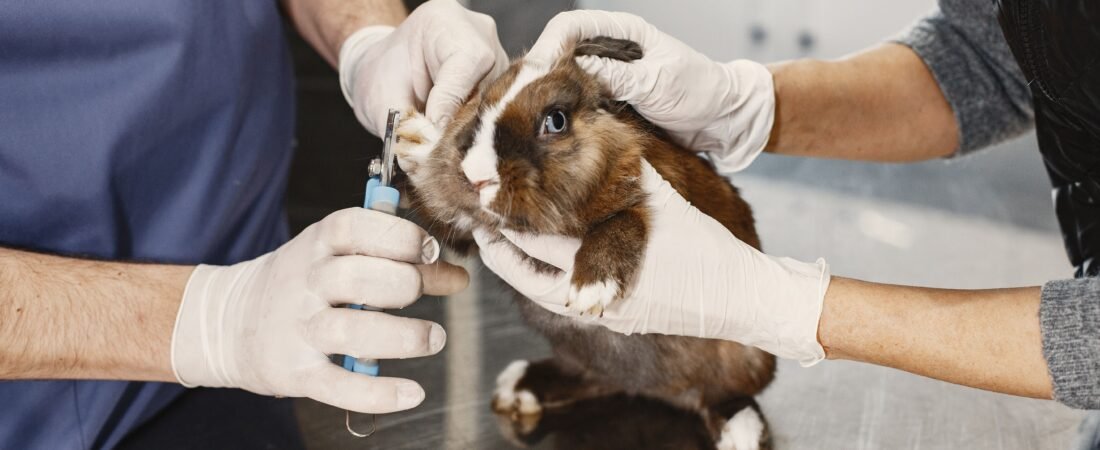
Have you noticed your rabbit’s nails curling, catching on rugs, or looking longer than usual? Overgrown rabbit nails may seem like a small grooming problem, but they do cause problem for your rabbit. Overgrown rabbit nails can cause discomfort, snagging, broken claws, and changes in foot positioning. If you leave it untreated, severely overgrown nails may contribute to sore feet and other injuries.
Older rabbits may move less because of arthritis, stiffness, or weakness, which can reduce natural nail wear. Long nails can then make movement even more difficult. Having regular nail checks and appropriate trimming can prevent many problems. However, severely overgrown nails, especially those that curl into the skin or have an unusually long quick, may require veterinary assistance.
In this guide, we’ll explain seven warning signs, how to recognize when your rabbit’s nails are too long, and what to do to keep your rabbit comfortable.
How Can You Tell if Your Rabbit’s Nails Are Too Long?
A Rabbit nails grow continuously throughout life. Wild rabbits naturally wear down their claws through digging and movement. Pet rabbits may have fewer opportunities for natural wear, so regular nail trimming is often necessary.
A healthy nail length allows a rabbit to stand and move comfortably without excessive pressure on the toes or heels.
One useful warning sign is when the nails extend noticeably beyond the surrounding fur. However, this varies with breed and coat length. For example, nails are more visible on rabbits with short fur.
Healthy Rabbit Nails vs. Overgrown Nails
| What to check | Healthy nails | Possible overgrowth |
|---|---|---|
| Nail length | Appropriate for the rabbit’s feet | Nails appear unusually long |
| Nail shape | Natural, gentle curve | Excessive curling or sideways growth |
| Walking | Comfortable, normal movement | Awkward steps or altered foot positioning |
| Snagging | Rarely catches on surfaces | Frequently catches on bedding or rugs |
| Nail condition | Smooth and intact | Cracked, split, or broken |
| Foot condition | No obvious pressure injuries | Redness, soreness, or unusual pressure |
The Rabbit Welfare Association & Fund’s guide to rabbit nails explains that excessively long nails can change the angle at which a rabbit places its feet, potentially increasing pressure on the joints and heels. This is especially important for older rabbits that already have mobility difficulties.
If your senior rabbit struggles to hop or position its hind legs comfortably, our article on senior rabbits with weak hind legs explains practical ways to make daily activities easier. You may also find our guide to comfortable flooring for senior rabbits helpful when improving traction around your rabbit’s living area.
1. Your Rabbit’s Nails Look Unusually Long
The most obvious warning sign is excessive nail length. You may notice claws extending farther beyond the toes than they did previously. Some rabbits develop long, pointed nails that become increasingly noticeable when standing. However, visual appearance alone is not always enough to determine whether trimming is necessary.
Rabbits with thick foot fur may hide their claws, while those with short coats may have visible nails at a healthy length.
What to Look For
Check whether:
- The nails look longer than during previous inspections.
- The tips extend excessively beyond the toes.
- Your rabbit has difficulty placing its feet naturally.
- The claws appear more curved than usual.
- The nails interfere with walking or standing.
If you’re unsure about the appropriate length, ask a veterinarian or veterinary nurse experienced with rabbits.
Why Senior Rabbits May Develop Longer Nails
Older rabbits sometimes become less active because of arthritis or reduced mobility. With less digging and movement, the nails may wear down more slowly. Regular checks help you notice changes before the nails become uncomfortable.
2. The Nails Are Curling Toward the Feet
Rabbit claws naturally curve slightly, but excessive curling is a warning sign. When nails become severely overgrown, they may curve downward, grow sideways, or press against the surrounding toes.
In serious cases, a nail can grow into the skin, causing pain and injury.
Signs to Watch For
- Claws curling sharply downward.
- Nails growing sideways.
- Tips touching or pressing against the foot.
- Redness around the toes.
- Swelling or visible discomfort.
- Difficulty standing normally.
If a nail is pressing into the skin or appears embedded, arrange prompt veterinary care.
Do not pull or try to straighten the nail yourself. A veterinarian can assess the nail, surrounding skin, and any damage that may have occurred.
3. Your Rabbit’s Nails Keep Catching on Rugs or Bedding
A rabbit whose nails are too long may repeatedly catch them on carpet, blankets, or loose fabric. This can happen when hopping, digging, or turning around. A snagged claw may break or tear, sometimes damaging the sensitive tissue beneath the nail.
Common Warning Signs
You might notice:
- A claw catching on a rug.
- Your rabbit suddenly pulling away a foot.
- Hesitation when moving across certain surfaces.
- Loose threads catching around the claws.
- A damaged nail after a sudden movement.
What Should You Do?
Inspect the nails carefully and check the affected foot for bleeding or swelling. If the nails are overgrown, arrange appropriate trimming. Choose flooring that provides traction without loose loops or threads that catch claws.
Senior rabbits with arthritis or poor balance may be particularly vulnerable to injuries caused by sudden snagging.
4. Your Rabbit Is Walking or Standing Differently
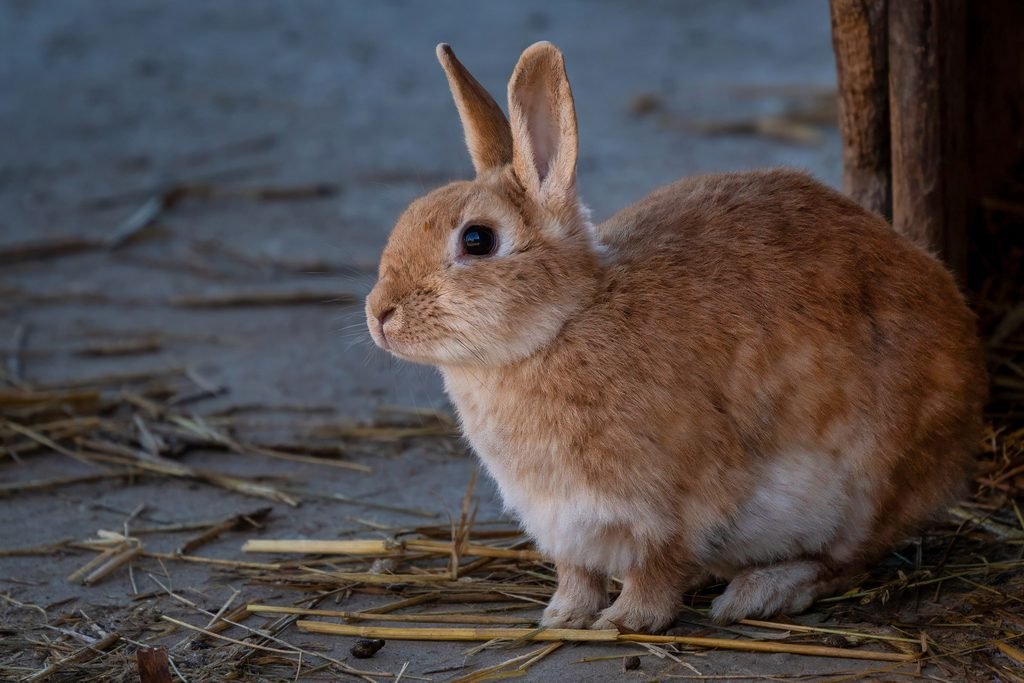
Overgrown nails can interfere with normal foot positioning. A rabbit may shift its weight or alter the way it stands to avoid discomfort. This change can place additional pressure on certain areas of the feet.
Signs of Abnormal Movement
Watch for:
- Awkward hopping.
- Unusual foot positioning.
- Reluctance to put weight on one foot.
- Difficulty turning.
- Hesitation when standing up.
- Reduced confidence on familiar surfaces.
These symptoms are not always caused by overgrown nails. Arthritis, sore hocks, injuries, and other health conditions can produce similar changes.
What About Senior Rabbits?
Older rabbits may already have stiff or painful joints. Excessively long claws can make movement more difficult by changing how the feet contact the ground. If your senior rabbit is walking differently, arrange a veterinary examination. Trimming the nails may help, but additional treatment could be necessary if arthritis or another condition is involved.
5. Your Rabbit Is Moving Less Than Usual
A rabbit with uncomfortable feet may become less willing to explore, hop, or use familiar areas. You might notice that your rabbit spends more time sitting in one place or avoids surfaces it previously used comfortably. However, reduced activity should never be attributed to nail length without considering other possible causes.
Changes Worth Investigating
- Less interest in exploring.
- Hesitation before hopping.
- Difficulty stepping into the litter box.
- Spending unusually long periods resting.
- Avoiding certain surfaces.
- Reluctance to move when approached.
For older rabbits, these changes may develop gradually. If the nails are visibly overgrown, they should be assessed. However, sudden or progressive changes in mobility also warrant veterinary attention.
Helping Your Senior Rabbit
Make essential areas easier to access. Keep food, water, and resting areas nearby, and provide a litter box with a low entrance. Allow your rabbit to move at its own pace rather than forcing exercise.
6. Nails Are Cracking, Splitting, or Bleeding
Overgrown nails are more likely to become caught on objects or damaged during everyday movement. A broken nail can be painful, especially if the injury reaches the quick. The quick is the sensitive tissue inside the nail containing blood vessels and nerves.
Signs of Nail Injury
Look for:
- Cracks or splits.
- Bleeding around the claw.
- Swelling near the nail base.
- A nail hanging at an unusual angle.
- Repeated licking of one foot.
- Sudden reluctance to stand or hop.
What Should You Do if a Rabbit Breaks a Nail?
Keep your rabbit calm and avoid unnecessary handling. For minor bleeding, apply gentle pressure with clean gauze. If bleeding continues, the nail is torn near the base, or your rabbit appears painful or cannot use the foot normally, seek urgent veterinary care.
Never pull off a partially attached nail. A veterinarian can assess whether the injury requires treatment.
7. Your Rabbit Develops Sore Feet or Sore Hocks
Long nails can affect the position of a rabbit’s feet, potentially increasing pressure on the heels. This may contribute to sore hocks, also called pododermatitis. Rabbits do not have paw pads like dogs or cats. Thick fur normally protects the undersides of their feet. When pressure, friction, or moisture damages this protective area, the skin can become irritated or sore.
Signs of Sore Hocks
Watch for:
- Thinning fur beneath the hind feet.
- Red or irritated skin.
- Thickened skin.
- Scabs or open sores.
- Discomfort when standing.
- Reduced movement.
Not every small area of thinning fur means your rabbit has sore hocks. However, redness, broken skin, swelling, or pain requires veterinary assessment.
Why Older Rabbits Need Extra Care
Senior rabbits with arthritis may spend more time resting in one position. Other contributing factors can include unsuitable flooring, damp bedding, limited movement, and excess weight. If your rabbit has sore feet, trimming its nails alone may not resolve the problem. A veterinarian can assess the feet and recommend appropriate treatment and environmental changes.
Why Do Rabbit Nails Become Overgrown?
Several factors influence how quickly nails grow and how much they naturally wear down.
| Possible cause | How it contributes |
|---|---|
| Limited exercise | Less movement may reduce natural nail wear |
| Few opportunities to dig | Claws receive less natural wear through digging |
| Indoor flooring | Some surfaces provide little natural wear |
| Arthritis | Pain may reduce movement in older rabbits |
| Infrequent nail checks | Overgrowth may go unnoticed |
| Individual differences | Nail growth and wear vary between rabbits |
The RSPCA’s guidance on rabbit nail trimming notes that age, health, activity, and environmental surfaces can all influence how frequently a rabbit needs its nails trimmed. Regular nail checks are more reliable than assuming every rabbit needs the same trimming schedule.
What Is the Quick Inside a Rabbit’s Nail?
Before trimming rabbit nails, it is important to understand the quick. The quick contains blood vessels and nerves inside the nail.
Cutting into it can cause pain and bleeding. In rabbits with pale nails, the quick may be visible as a pink or reddish area. In rabbits with dark nails, it can be much harder to identify.
What if the Quick Is Too Long?
With severely overgrown rabbit nails, the quick may extend farther toward the nail tip. This means the nail may not be safely shortened to a comfortable length in one session. Trying to remove too much can cause bleeding and injury. A veterinarian or trained veterinary nurse can advise whether gradual trimming is needed. As the nails are shortened carefully over time, the quick may recede.
Do not attempt to cut severely overgrown nails back to a normal length in one session without professional guidance.
How to Trim Rabbit Nails Safely
Many rabbit owners can learn to trim nails at home, but correct handling and technique are essential. If you have never trimmed rabbit nails before, ask a veterinarian or veterinary nurse to demonstrate the process. The PDSA guide to clipping rabbit nails recommends using proper rabbit nail clippers, handling rabbits gently, and keeping them secure on a nonslip surface.
Step 1: Prepare Your Equipment
You’ll need:
- Nail clippers designed for rabbits or cats.
- Good lighting.
- A stable, nonslip surface.
- A clean towel if needed.
- A helper familiar with safe rabbit handling, if available.
- A small healthy reward.
Avoid ordinary scissors or human nail clippers.
Step 2: Keep Your Rabbit Comfortable
Position your rabbit securely, preferably on a stable surface. Support the body and hindquarters carefully. Do not place your rabbit on its back to induce a trance. This can cause significant distress. If your rabbit struggles, becomes frightened, or has painful joints, stop and ask for professional assistance.
Step 3: Identify the Quick
Examine each claw before trimming. With light colored nails, the pink quick may be easier to see. With dark nails, additional lighting may help, but the safe cutting point can remain difficult to judge. If you cannot identify a safe trimming point, consult your veterinarian.
Step 4: Trim a Small Amount
If you have been shown the correct technique, remove only a small amount beyond the quick. Leave a clear safety margin. Do not attempt aggressive trimming, especially when the nails are severely overgrown.
Step 5: Check for Bleeding or Injury
Inspect each nail after trimming. If the quick is accidentally cut, apply gentle pressure with clean gauze. A little cornstarch may help control minor bleeding.
If bleeding continues or your rabbit appears distressed, contact a veterinarian.
Step 6: Offer a Reward
End the session with a favorite healthy treat or gentle interaction. Positive experiences can help your rabbit become more comfortable with future nail care.
If nail trimming is difficult, a veterinary professional can perform it safely.
When Should a Veterinarian Trim Overgrown Rabbit Nails?
Some nails require more than routine home trimming.
| Situation | Recommended action |
|---|---|
| Slightly long nails | Routine trimming if you know the correct technique |
| Quick is difficult to identify | Ask a veterinarian for guidance |
| Severely overgrown nails | Arrange professional assessment |
| Nails curling toward the skin | Seek prompt veterinary care |
| Broken or bleeding nail | Seek veterinary advice, urgently if bleeding continues |
| Rabbit has sore feet | Arrange a veterinary examination |
| Rabbit struggles or becomes distressed | Stop and request professional help |
| Senior rabbit has arthritis | Ask about safe handling and trimming positions |
A rabbit with neglected, severely overgrown nails may also have foot injuries or mobility problems that need assessment.
How Often Should You Check and Trim Rabbit Nails?
There is no universal trimming schedule. Nail growth, activity, flooring, and age all influence how often a rabbit needs nail care.
Weekly Nail Check
Once a week, examine:
- Nail length and shape.
- Signs of curling.
- Cracks or damaged claws.
- Redness around the toes.
- Skin condition beneath the feet.
- Changes in walking or standing.
When Trimming Is Needed
Trim only when necessary and when you can do so safely. If your rabbit’s nails grow quickly or become overgrown repeatedly, ask a veterinary professional to recommend an individual trimming schedule. Avoid waiting until nails begin curling or causing discomfort.
Additional Nail Care Tips for Senior Rabbits
Senior rabbits may need more frequent monitoring because reduced mobility can affect nail wear.
Keep Grooming Sessions Short
Check the nails during routine grooming. Brief sessions may be easier for rabbits with arthritis or limited to mobility.
Protect Stiff or Painful Joints
Avoid stretching or twisting the legs into uncomfortable positions. Ask your veterinarian to demonstrate appropriate handling if your rabbit has mobility problems.
Provide Comfortable Flooring
Use secure surfaces that offer traction without catching the claws. Avoid slippery floors and loose fabric loops.
Encourage Natural Movement
Give your rabbit space to move voluntarily and opportunities for appropriate digging. Do not force exercise to wear down overgrown nails.
Monitor Overall Foot Health
During nail checks, look for redness, missing fur, swelling, or discomfort beneath the feet. As rabbit ages, it becomes more important to look at the health of their foot and nails as these will affect mobility.
Frequently Asked Questions
How Do I Know if My Rabbit’s Nails Are Too Long?
Warning signs include excessive length, curling, snagging, changes in walking, and discomfort when standing. If you’re unsure, a veterinarian can assess the appropriate nail length.
What Happens if You Don’t Trim a Rabbit’s Nails?
Overgrown nails may catch on surfaces, break, cause pain, or alter foot positioning. Severe overgrowth can contribute to injuries and problems affecting the feet.
Can Overgrown Rabbit Nails Cause Pain?
Long nails may make movement uncomfortable, particularly when they curl, snag, break, or change how the rabbit distributes weight.
How Do You Trim Severely Overgrown Rabbit Nails?
Severely overgrown nails should be assessed by a veterinarian or trained veterinary nurse. The quick may have extended farther into the nail, making gradual trimming necessary.
What if My Rabbit’s Nails Are Too Long to Cut Safely?
Do not force the trim. A veterinary professional can determine a safe approach and recommend gradual shortening when appropriate.
Can Rabbit Nails Be Shortened Naturally?
Digging and ordinary movement can contribute to natural nail wear, but they may not adequately shorten overgrown nails. Avoid abrasive surfaces or forcing exercise as a substitute for necessary trimming.
Do Senior Rabbits Need Nail Trimming More Often?
Senior rabbits that move less may experience reduced natural nail wear. However, trimming frequency depends on the individual rabbit, so regular checks remain important.
Can I Trim My Rabbit’s Nails if It Has Arthritis?
Some rabbits with arthritis can tolerate gentle nail care, but positioning and handling may need adjustments. Ask your veterinarian for guidance, particularly if your rabbit shows discomfort when its feet are touched.
Final Thoughts
Overgrown rabbit nails can affect comfort, mobility, and foot health. What begins as a routine grooming issue may become painful when nails curl, snag, or interfere with normal foot positioning. Regular nail checks can help identify problems before they cause injuries. For senior rabbits, nail care is especially important because arthritis and reduced activity may limit natural nail wear.