
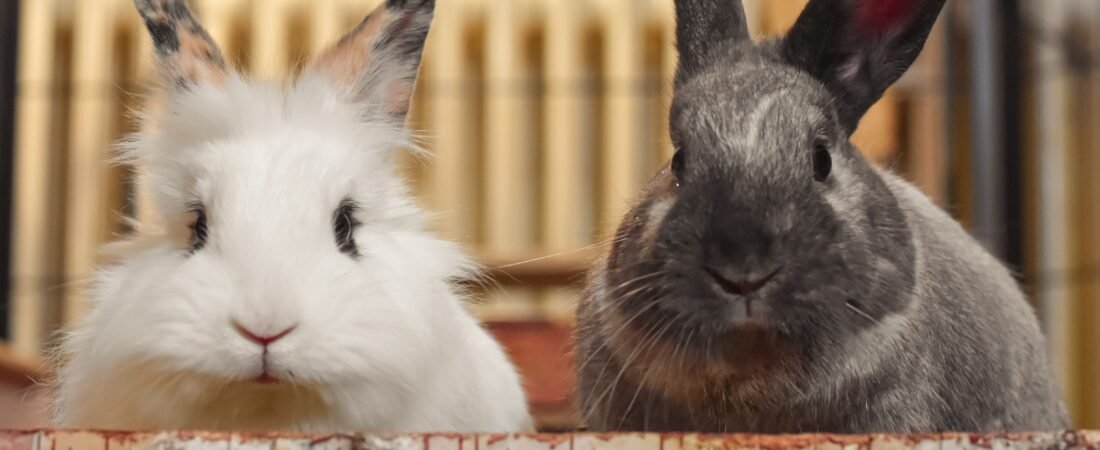
If your senior rabbit suddenly spends more time sitting in the litter box, the cause could be comfort, reduced mobility, arthritis, or a urinary problem. Some rabbits naturally enjoy resting near their hay, but a noticeable change in behavior deserves attention, especially when accompanied by reduced appetite, difficulty moving, or unusual urination.
Start by checking whether your rabbit is eating normally, producing droppings, passing urine comfortably, and moving without difficulty. Provide a clean, dry litter box and a comfortable resting area nearby. If your rabbit strains to urinate, stops eating, or produces no droppings, ask your family veterinary for care advice.
There could be few reasons while a senior rabbit sits in their litter box all the time. It could be normal behavior, or something could be wrong with the senior rabbit. Below are seven reasons examining while a senior rabbit sitting in litter box all the time may or may not need extra support.
1. Your Rabbit Finds the Litter Box Comfortable
Some rabbits enjoy sitting in their litter boxes because the area is familiar, quiet, and close to their hay. Since rabbits often eat while using the bathroom, remaining in the tray afterward is not necessarily unusual. An older rabbits may become especially attached to familiar resting spots as they have use it for many years. If your rabbit looks relaxed, eats normally, and moves freely, the behavior may simply be a preference.
What to do: Place a soft, washable resting mat beside the litter box. Keep fresh hay accessible and remove wet litter daily so your rabbit is not sitting on a damp surface. Do not force your rabbit out of the box. You could create additional resting place for your rabbit if need be.
The House Rabbit Society’s litter training guidance explains the relationship between hay, litter boxes, and normal rabbit habits.
2. Arthritis Makes Leaving the Litter Box Difficult
As a rabbit ages, they might develop arthritis, which make stepping over high litter box sides painful. Your rabbit may enter the tray successfully but hesitate to leave because standing, turning, or lifting its hind legs might cause pain. Other signs to look out for include slower movement, reduced grooming, difficulty jumping, and reluctance to cross slippery flooring.
What to do: Replace high-sided trays with a large, stable litter box that has a low entrance. Make sure your rabbit can turn comfortably without twisting or struggling.
Our guide to low-entry litter boxes for senior rabbits explain how to choose an accessible design. If your rabbit has difficulty walking or standing, arrange an examination with a rabbit-experienced veterinarian. Arthritis may require medical treatment as well as changes to the enclosure.
3. Other Resting Areas Are Harder to Reach
An older rabbit may spend more time in the litter box because other resting areas have become difficult to access. Slippery floors, raised platforms, and narrow spaces can discourage movement. The litter box may simply be the closest comfortable location, particularly if your rabbit already spends much of the day nearby.
What to do: Observe how your rabbit moves between the litter box, food, water, and resting areas. Remove unnecessary obstacles and place essential items within comfortable reach. Add a flat, non-slip resting surface beside the tray and check whether your rabbit begins using it.
Our article on litter box placement for rabbits with limited mobility explains how to arrange the enclosure for easier movement.
4. Your Rabbit Has Urinary Discomfort
Urinary problems are among the more serious reasons a rabbit may repeatedly enter or remain in the litter box. Bladder irritation, urinary tract disease, and bladder stones can cause discomfort or changes in urination. Watch for repeated attempts to urinate, unusually small wet patches, urine dribbling, wet fur around the hindquarters, or signs of pain.
What to do: Check whether your rabbit is producing normal amounts of urine. Note any changes in frequency, appearance, or behavior, and contact a rabbit-experienced veterinarian promptly.
If your rabbit repeatedly strains but passes little or no urine, seek emergency veterinary care immediately. Our article on why senior rabbits pee outside the litter box explains other changes in toileting behavior that may require attention.
5. The Surrounding Floor Is Slippery or Uncomfortable
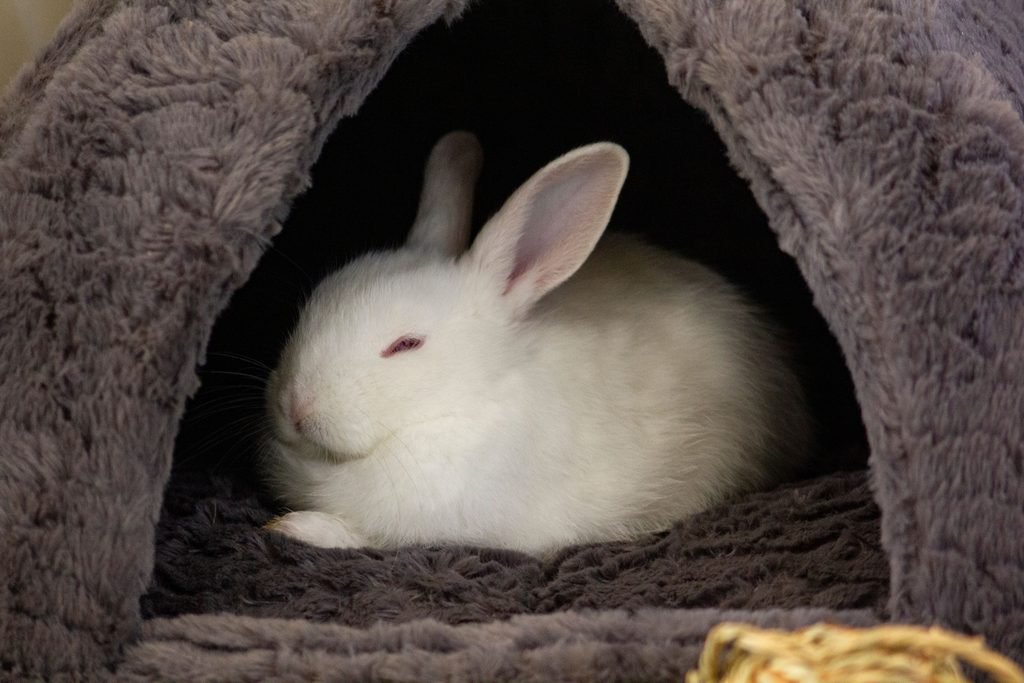
When a home has smooth flooring, it can be difficult for senior rabbits, particularly those with arthritis or reduced strength to walk on it. When a litter box is filled with absorbent material it may feel more stable than laminate, tile, or another slippery surface. If your rabbit is consistently avoiding the surrounding floor, the problem may be inadequate traction rather than a preference for the litter box itself.
What to do: Place flat, non-slip mats around the tray and along frequently used pathways. Choose washable materials that do not slide or expose loose fibers your rabbit could swallow.
Our comparison of waterproof, non-slip flooring for senior rabbits covers practical surfaces for improving stability. Check your rabbit’s feet for redness, hair loss, or sore areas. Persistent foot problems or difficulty moving should be assessed by a veterinarian.
6. The Litter Box Feels Like a Safe Space
A senior rabbit will rely on familiar surroundings and routines. Any household changes, unfamiliar animals, or increased noise may encourage a rabbit to spend more time in a location that feels secure. Because litter boxes contain familiar scents, some rabbits may choose them when their environment changes.
What to do: Keep your rabbit’s routine predictable and provide a quiet hiding or resting area. Avoid unnecessary handling and allow your rabbit to settle without repeated disturbances. If the behavior began after a change in the household, monitor whether your rabbit gradually returns to normal activity.
However, do not assume that unusual inactivity is caused by stress. Changes in appetite, droppings, movement, or posture require veterinary attention.
7. Your Rabbit Is Unwell and Moving Less
A senior rabbit that suddenly remains in one place for long periods may be experiencing pain or illness. Rabbits often hide signs of discomfort, making changes in activity particularly important. Look out for reduced appetite, fewer droppings, unusual hunching, lethargy, or reluctance to move. These signs can indicate a problem that has nothing to do with their preference of litter box.
What to do: Check your rabbit’s food intake, droppings, and normal activity immediately. If your rabbit is eating less, producing fewer droppings, or behaving unusually, contact a rabbit-experienced veterinarian without delay.
A rabbit that stops eating or producing droppings needs emergency veterinary attention. Do not wait for a change in bedding or litter box placement to resolve the problem.
The PDSA’s guidance on rabbits not eating explains why appetite changes can become serious quickly.
Is It Normal for a Senior Rabbit to Sleep in the Litter Box?
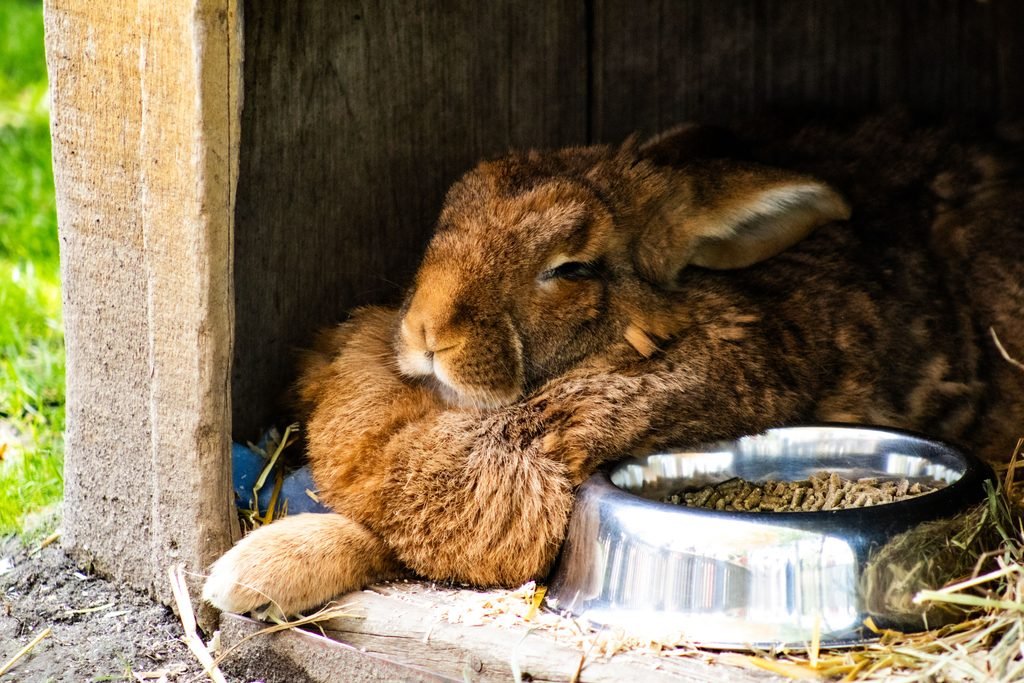
Occasional resting or sleeping in a litter box can be normal when the rabbit otherwise appears healthy. Some rabbits enjoy the familiar location, particularly when hay is nearby. The behavior becomes more concerning when it starts suddenly, or your rabbit spends significantly more time there than usual.
A rabbit that sleeps comfortably in the box but continues eating, producing droppings, and moving normally may simply prefer that location. However, sitting in wet litter for extended periods can irritate the skin and leave the hindquarters damp.
Keep the tray clean and provide a comfortable resting surface nearby. If your rabbit struggles to leave the box, investigate mobility problems rather than assuming the behavior is harmless.
How to Make a Senior Rabbit’s Litter Area More Comfortable
A comfortable litter area should be easy to enter, large enough to turn around in, and surrounded by flooring that provides reliable traction. Choose a stable litter box with a low entrance and enough room for your rabbit to move without difficulty. Use absorbent, rabbit-safe litter and remove wet material regularly.
Place the tray close to your rabbit’s usual resting area, with food and water within easy reach. Avoid layouts that require climbing, jumping, or crossing slippery surfaces. For rabbits with significant mobility limitations, a flat toileting area may be more practical than a conventional tray.
Our guide to keeping a senior rabbit’s litter area clean and dry explains how to manage moisture, washable mats, and everyday hygiene.
The aim is to provide a comfortable place for toileting without making the litter box your rabbit’s only accessible resting spot.
Senior Rabbit Sitting in Litter Box: When Should You Worry?
The biggest warning sign is a noticeable change from your rabbit’s normal behavior. An older rabbit that has always enjoyed sitting in the tray may simply have an established habit, while a rabbit that suddenly refuses to leave needs closer attention.
Seek veterinary advice if you notice difficulty standing, wet fur, painful urination, reduced appetite, or changes in droppings.
For less urgent changes, observe when your rabbit enters the box, how long it remains there, and whether it can leave comfortably. This information can help your veterinarian assess the problem.
Frequently Asked Questions
Why does my senior rabbit sit in the litter box all day?
Your rabbit may find the litter box comfortable or easier to access than other resting areas. Arthritis, urinary discomfort, and illness are also possible explanations, especially when the behavior is new.
Check appetite, droppings, urination, and mobility before assuming the behavior is harmless.
Should I stop my rabbit from sleeping in the litter box?
You do not need to prevent occasional resting in a clean, dry litter box. However, provide a separate comfortable resting area and prevent prolonged contact with wet litter.
If your rabbit cannot comfortably leave the tray, investigate possible mobility or health problems.
Can arthritis make a rabbit stay in the litter box?
Yes. Arthritis can make stepping over high sides, turning, or moving across slippery floors painful.
A low-entry box and non-slip flooring may help, but suspected arthritis should be assessed by a veterinarian.
Why does my rabbit keep entering the litter box without peeing?
Repeated attempts to urinate without producing normal amounts can indicate urinary discomfort or an obstruction.
If your rabbit is straining and passing little or no urine, seek emergency veterinary care immediately.
Final Thoughts
A senior rabbit spending time in the litter box is not always a cause for concern. Some rabbits enjoy the familiar space, while others remain there because movement has become uncomfortable.
Start by checking your rabbit’s appetite, droppings, urination, and mobility. Then make practical changes such as lowering the litter box entrance, improving floor traction, and providing a dry resting area nearby.
If the behavior is sudden or accompanied by signs of illness, contact a rabbit-experienced veterinarian promptly. Understanding your rabbit’s usual habits is the best starting point for recognizing when something needs attention.